
Each time you stroll by the aquarium there he go. Your betta fish stretches its fin out in form of a royal fan and flares its gill. There he is staring you down…with such intensity that you feel as though he looking directly into your soul.
It’s all very theatrical, dramatic color and body posturing. What’s going on? You’re wondering if your fish are stressed or angry, and most new fish keeper stop dead in their tracks.
Can’t blame you, it appear to be aggressive behavior. But it’s much more complicated different than mere anger. Knowing what happen when your betta “flares” is important for understanding your fish’s emotional cue.
Far from being a random explosion, it actualy communicates something. If you don’t pay attention to those cues, you’re missing out on half of what your betta are trying to tell you. It’s not just some decoration; it’s a clever, territorial creature with rich social instinct passed down from its natural habitat.
Once you know how to read the flare, you will know if your betta feels comfortable and healthy. That’s when it shift from merely keeping a living thing alive to genuinely taking care of friend. Suddenly, you begin noticing small details beneath the splash.
Why Bettas Flare And What It Signals
Understanding Betta Flaring Instincts
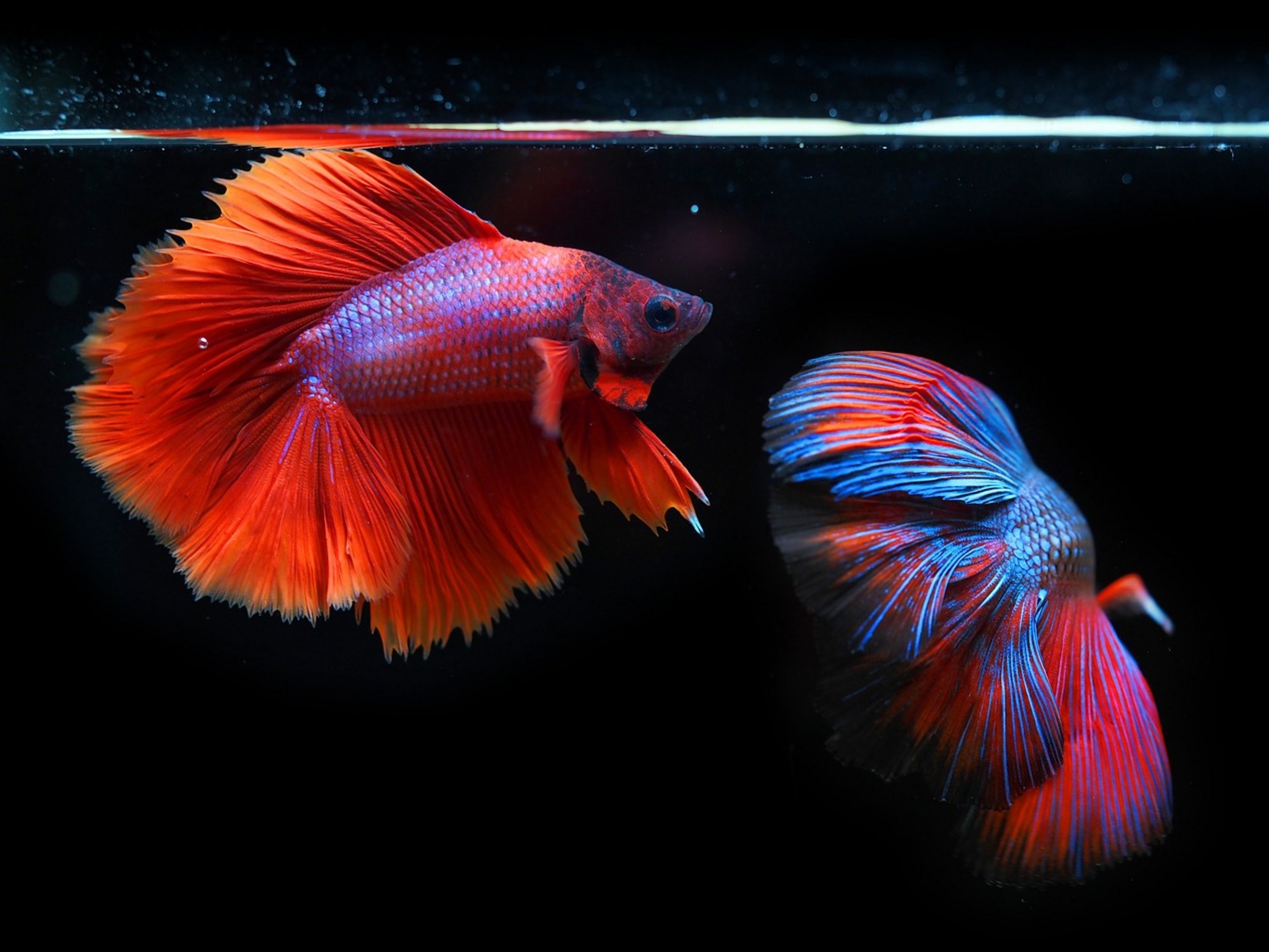
All male bettas has a hard-wired instinct to flare. Why? Because in their natural habitat in Southeast Asia, they inhabits shallow, stagnant water.
Resources is limited and space is constrained. To survive, a male must defend his turf. Under these condition, there are two main reason for flaring.
First, it is an easy way to threaten competing males without wasting energy fighting physical. Second, it draw females because flaring display bright color and highlights fitness. So if your fish flares at its reflection in the glass, it’s simply assuming that what it see in the mirror is another male.
That instinct is ancient and automatic. Now, when flaring becomes a problem depend on context. For example, seeing your betta flare occasionally at you as you walk up to tank/mirror is typically normal.
Normal vs Problematic Flaring Behavior
It’s territorial pride and confidence being expressed. Owners who interact with their fish really like it because it mean their fish is aware and alert. But if it’s constant and goes on for hours without stopping, then it mean the fish is chronically stressed.
Something about its environment has it feeling threatened/trapped. Chronic aggression tire out a little fish like that and raises cortisol. Over time, it deplete the immune system.
Water Quality and Aggression
Water quality are the secret cause behind all that aggression. Betta are labyrinth fish, they possesses an organ specifically designed for absorbing atmospheric air. Their gills must be kept clean; otherwise, they will begin to suffer from fin problem.
Irritated bettas is irritated bettas. The physical discomfort show itself through more frequent fin nipping and flaring. When you witness an uptick in aggression, test your water for ammonia and nitrate levels, don’t place the blame on the fish’s temperament.
Almost every aquarium dweller become calm again with clean water. Territoriality also has a lot to do with your tank size and decor. In a small two-gallon bowl, there’s nowhere for them to hide and they have nowhere to go but right where enemy is…in their own reflection.
Tank Size and Decor Impact
Because everything reflects back on itself, the fish can’t get away. A bigger tank (five gallons or more) give the fish some wiggle room to get away from the stressor(s). Decorations, whether silk or live plant, interrupt line-of-sight.
The betta gets a feeling of boundaries and comfort. It relaxes in the tank and flares less often when it feel comfortable. Sometimes, a betta will flare because it’s sick.
Illness and Physical Symptoms
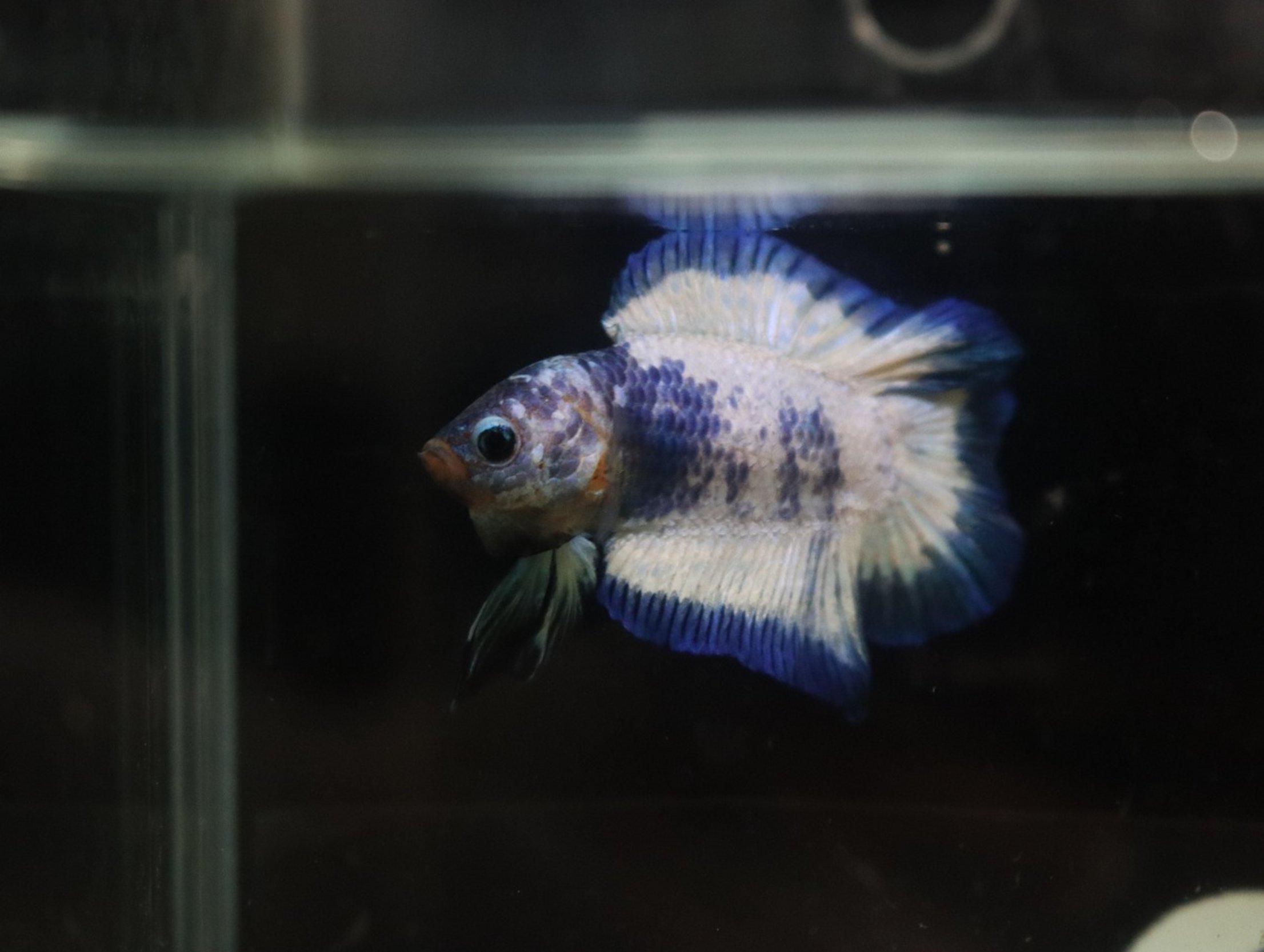
Stressors like fin rot, parasites, or some sort of internal infection make a betta uncomfortable. This irritability result in more aggressive behavior. A painful fish isn’t as likely to tolerate disruptions.
Before assuming it’s simply acting out due to temperament, examine whether there are other physical symptom such as white spots, clamped fins, or lack of appetite. In many case, treating the underlying sickness ease the behavior issue. Don’t rule out illness if you see these physical indicators and think it’s aggression.
Your own observations should of be your most reliable diagnosis. Getting this right is key to a happy betta. If your fish enjoy its home, it will show off a little with a quick burst of flare.
This is normal, healthy, and expected. On the other hand, constant, frantic flaring mean it’s stressed by its environment or health. You should know based off the context and how often it happen.
Give it space. Keep its water clean. Respect that he need territory.
If you do, those dramatics will be occasional moment of character instead of daily cries for help. Your reward: a calm demeanor and vibrant color.
