
Any new hobby blends a combination of excitement and costly learning experiences during the first year. You has high hopes and visions of what this hobby can do for your life when you finally get it down. Then comes the cold slap in the face of reality.
You purchased the incorrect equipment. You neglect fundamentals. You wonder why your efforts don’t match tutorial videos.
No, it’s not because you’re untalented. It’s because you lack perspective. Year one is a marathon filled with trip hazard; most people view it as a sprint.
I’m certainly not trying to make you feel ashamed for where you are right now. All “experts” were beginners at some point, they’ve all made these exact same errors. And guess what?
They eventually outgrow their mistakes. So can you. Knowing which ones trip up most people can help you avoid those pitfalls so that you don’t fall in (and save yourself lots of frustration, time, and money).
And so you can actualy have fun while doing it.
Common Beginner Mistakes To Avoid Now
Start with Mid-Range Equipment
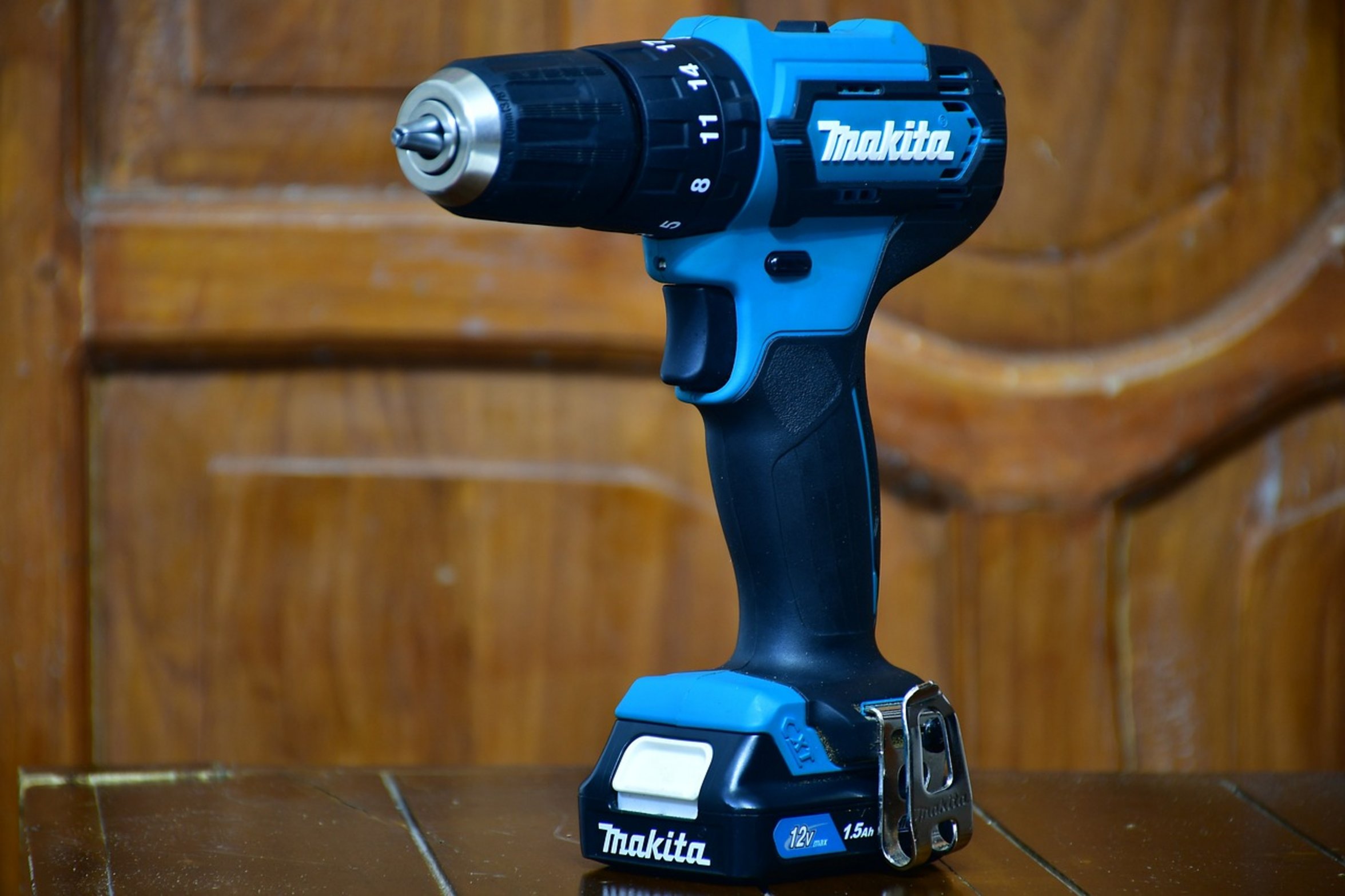
Don’t buy the most expensive tool on the market. This is a beginner’s mistake.
That’s why retailers keeps those high-dollar brands (i.e., Milwaukee or DeWalt) front-and-center. You’ll part with your cash because it seems right to get what you pay for; but in many cases, you’re simply breaking-in a high-performing piece of equipment while being ill-equipped to use it. Learn on a mid-range cordless drill by Porter Cable or Ryobi.
There is nothing wrong with them at all, and you can always upgrade to pro-level gear once you’ve outgrown the budget models. There is a small price difference now for a big payoff later.
Read the Manual First
This is closely related to not reading the manual.
Your new lawnmower, camera, or espresso machine is complicated. There’s a reason for those nuances. By skipping the set-up process you run the risk of voiding your warranty and breaking things, and also getting frustrated because the thing doesn’t do what you thought it would.
Spend a few minutes learning the basics. It’s boring, I know. But it’s also the quickest way to save money on repairs.
Knowledge is free, but repairs cost money.
Avoid Comparing Your Progress

Comparing your day one to someone else’s year five is another massive pitfall. You’re seeing someone’s best parts.
They show a hand-picked collection of their best moments on social media. You aren’t seeing what they did wrong or how long it took to get there, which leads to discouragement through comparison. You begin thinking you are failing when in fact, you are progressing as normal.
Work on getting better each time out. Are you better today then you were yesterday? That’s the metric that matters.
Your path is yours alone and we all start somewhere.
Master the Essentials First
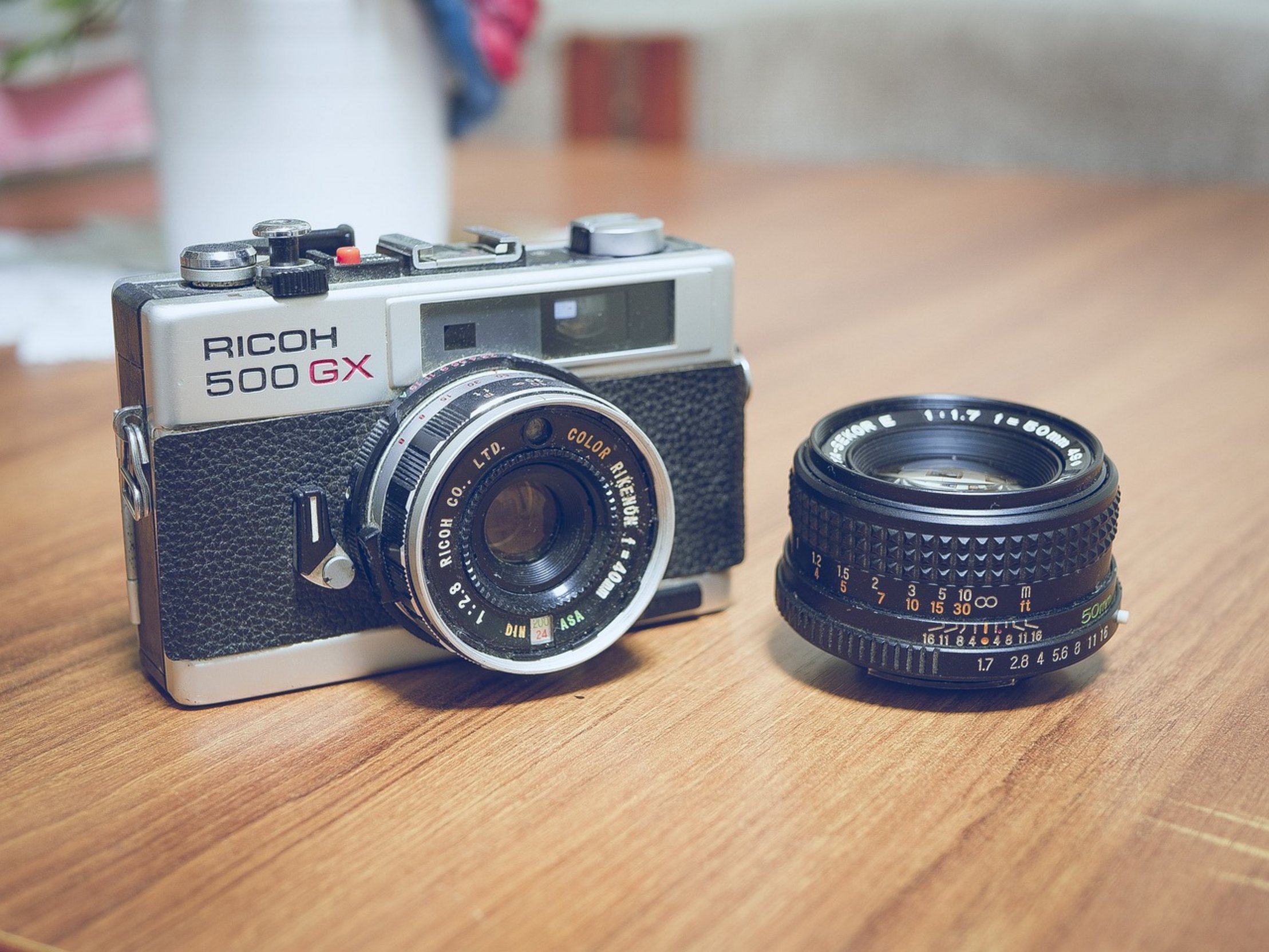
Another mistake people make is purchasing too many pieces all at one time. You get excited and you buy everything.
You grab every accessory, every lens and every lure. Then you put half of them away because you don’t use ’em, and the rest just confuse you as you’re trying to learn the basics. Master the essentials and then grow from there.
Keep it simple so that you’ll have to think outside the box, but also so that clutter won’t overtake your work area. The simpler it is, the quicker you’ll learn. The more complex, the slower you’ll learn.
Practice Deliberately Instead of Rushing
Impatience is the quiet assassin of success. “I need it done now,” you think to yourself. “I don’t have time for all these other steps.
I’ll do this faster.” Before you know it, you’ve developed bad habits that are difficult to erase. Deliberate practice trumps speed every time. So if you’re learning an instrument, slow down and make sure you play each note cleanly.
If you’re building something, take the time to measure twice before cutting once. Your foundation will determine how high you build. And rushing the foundation ensures a shaky structure.
Join a Community for Support

Last but not least, many novices becomes isolated. Afraid to ask questions, they attempt to go at it all by themselves. Bad idea!
The community is there to be used as your greatest asset. Ask locals, join a forum, seek advice. Most people love to help newbies because it reminds them of their own start.
You’ll pick up short cuts and tips that save you years of trial-and-error learning. Be curious, don’t be prideful. Knowledge finds its way to the curious.
Year one is about building habits as well as skills. Don’t make those mistakes, and you’ll be further along than you thought. You should of prepared more.
Hang on to that initial spark of excitement, because remember what it was like. Shield it against frustration, and learn well. The skill will develop, the tools will arrive, but the fire begins within you.
Take care of it well.
