
Moving into saltwater can be a big step. Maybe you’ve had lots of tank with plants and maybe some tetras or rasboras over the years. Freshwater are a forgiving environment.
Add conditioner, change water and things stay fine. Now it’s time to set up a reef tank. The rules gets tight.
The water isn’t a harmless medium but a reactive one. It require precision. You’re dealing with a complex system.
It is more than just fish. It has a steep learning curve and that’s okay… You’ll learn it.
How To Start Saltwater Aquarium
Understanding Saltwater Tank Requirements
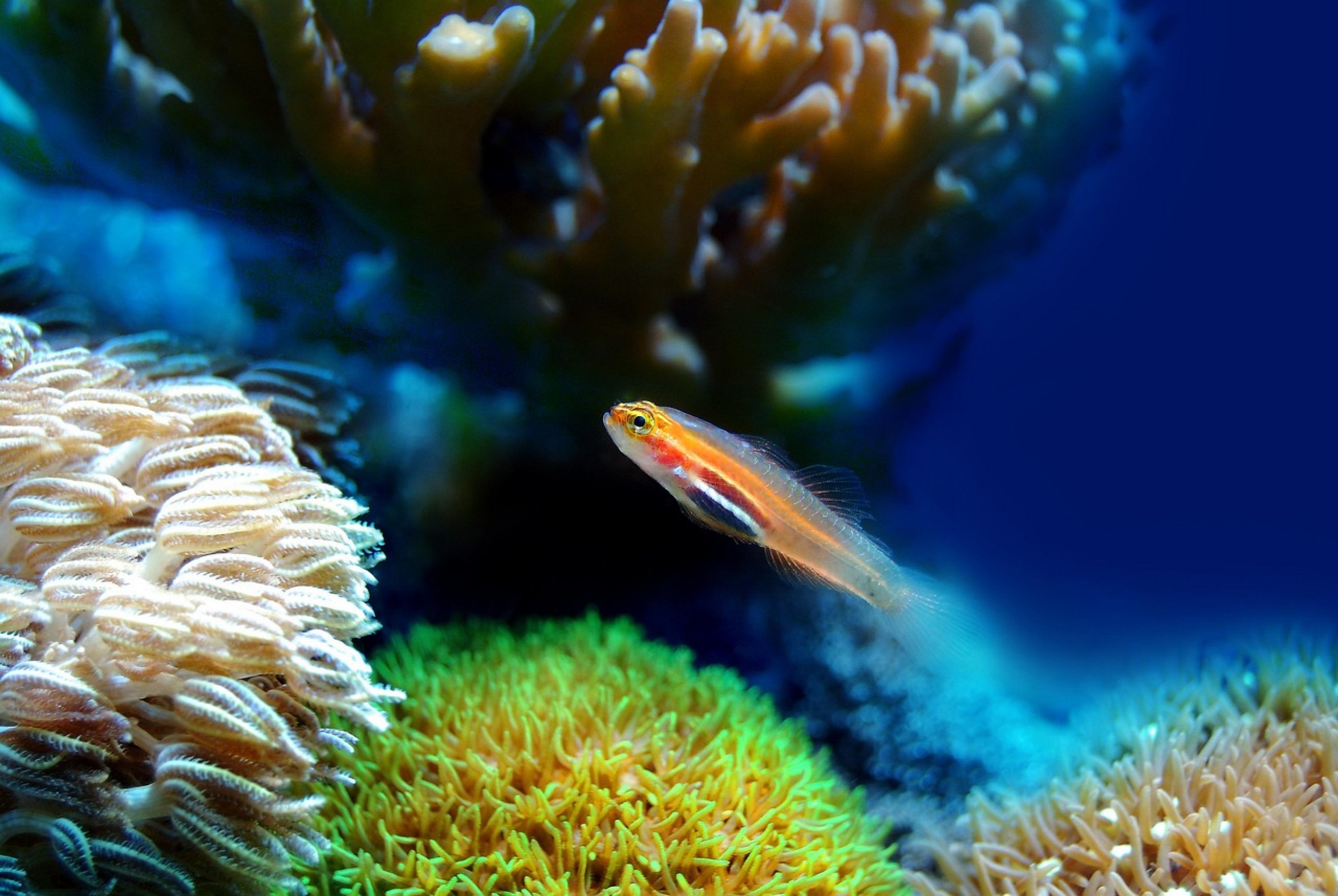
Freshwater fish will tolerates rapid shifts in ammonia and pH. The opposite is true for saltwater livestock (e.g., corals). They don’t like an unstable environment, they’re finicky.
What you need are to set up your environment properley first and then introduce any animal(s) into it. No amount of water additions will make up for misconfigurations afterward. Get it right at the start.
Choosing the Right Marine Salt
That mindset change how you manage the tank. So what’s the deal with the salt? The answer is simple, don’t use your kitchen stuff.
Don’t use table salt! Use a good marine salt (Red Sea Salt or Instant Ocean). A marine blend are formulated to replicate natural sea water.
It has exactly the correct balance of potassium, magnesium, and calcium. These three thing help corals grow their skeletons. Inexpensive salts tend to be missing many other trace elements that corals uses as well.
The Importance of Water Stability
Marine salt isn’t just about sodium chloride. It’s about stability. So how do you mix it?
First, get a separate bucket and mix some salt in fresh water. Never dump dry salt into the tank. That will concentrates and kill your livestock.
Setting Up Biological Filtration
Stability is the most important thing when you keep saltwater. You can change freshwater parameters and not hurt your fish. When keeping saltwater, more stable rather than perfect parameter are better.
Stable but ever so slightly imperfect water is better then a tank where the parameters swing. Biological filtration are accomplished with live rock. Rock is good because it house beneficial bacteria and buffers the water.
It absorbs nutrients and creates a place to house microscopic life. This microscopic life balance the system. Rock is like engine of the tank.
Selecting Proper Lighting
The tank’s main tool are lighting. Light powers freshwater plant growth. It also feeds coral’s symbiotic algae (zooxanthellae).
What you can keep depend on the light’s intensity and its spectrum. T5 HO fixtures is common. The moddern standard is LED systems such as AI Hydra or Kessil.
With LEDs, you can control color channels. That bring out colors in soft corals. Increase gradually.
Bleaching corals can result from high intensity on day one. Allow the ecosystem to adjust to the new conditions over weeks. The differences includes maintenance and how often it happens.
Essential Maintenance and Equipment
What kind? Do you perform water changes? Yes.
Monitoring nitrates and phosphates? Definitely! Why?
Nutrients feeds algae. Algae is the constant enemy of a clean reef tank. Protein skimming?
It is absolutely necessary. Why? Because it extract organics from the water before they degrade into nitrates/phosphates (dissolved waste).
The skimmer keep the column clean. Corals cannot thrives without this device. The skimmer gets rid of the first load of waste so the biofiltration can do its job.
Patience in Tank Establishment
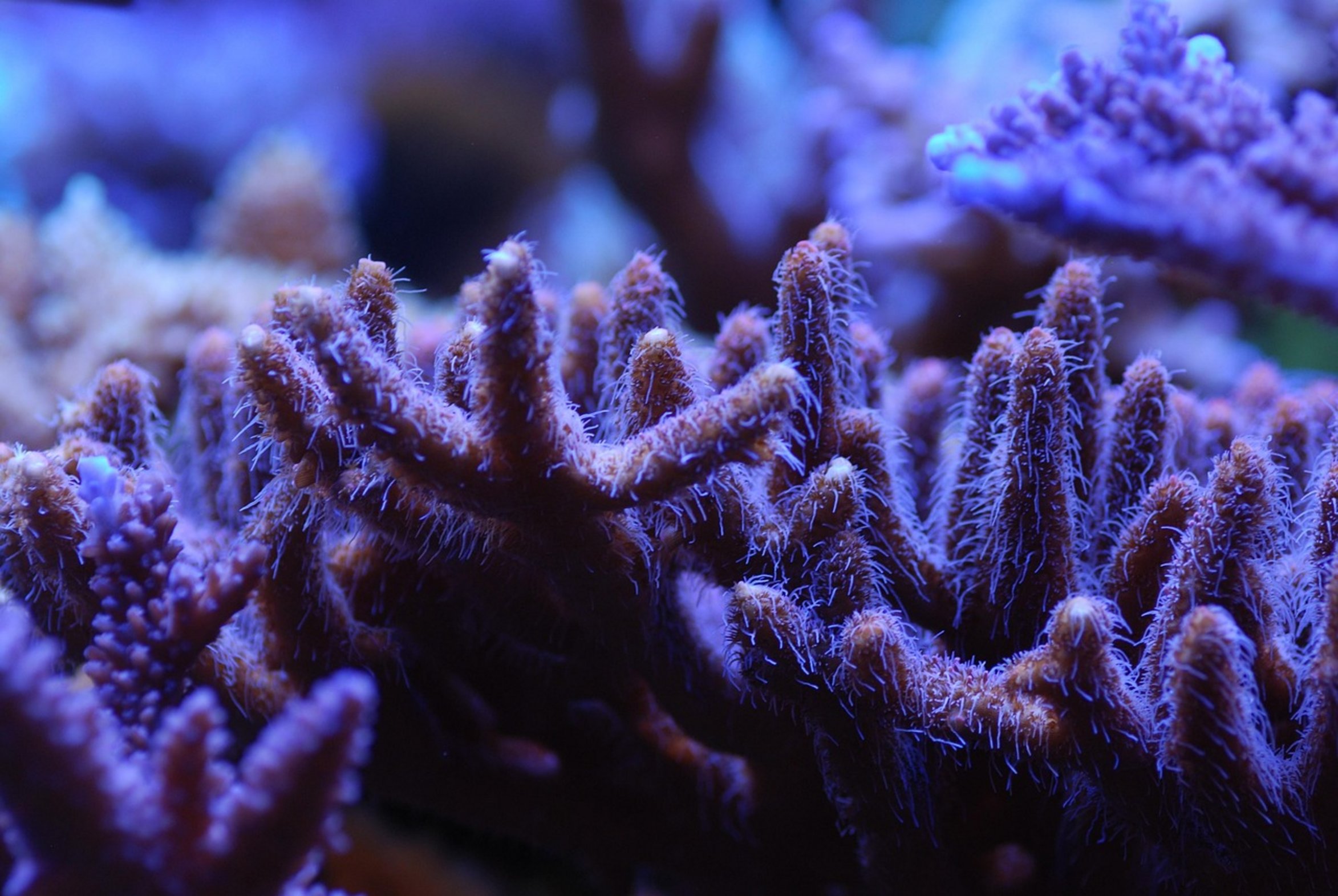
Patience is the true test. Stocking fish for freshwater tanks can happen fast. Setting up saltwater tank takes time.
There’s cycling to do. There are corals that will take months before they’re added to the tank. Don’t rush things or you’ll fail.
Patience pays off with a thriving eco-system and clear water. Color is better too. You’ve created an ocean in a box that work.
It would of been worth it.
