
When your pet has a full bowl of food, you probably think they’re well cared for; but love doesn’t necessarily equate to health. One of leading causes of health crisis for pets right now is overfeeding. And it’s insidious.
It sneaks up on us, often without our noticing. By the time we realize there’s an issue, it’s too late. But it isn’t just about having a softer tummy.
Being overweight puts our pets’ bodies into a state of total breakdown, one that damages their organs, stresses their systems and shortens their lives. In fact, according to the American Veterinary Medical Association, obesity is considered the number one health risk to pets. It is even ahead of infectious diseases and some genetic issue in many clinical situations.
Signs Of Overfeeding And The Damage It Causes
The Hidden Dangers of Pet Obesity
Knowing what to look for can make all the difference: the difference between a small tweak and something more significant that requires serious medical help. It’s usually not dramatic (just the first of many signs). Your pet doesn’t jump for her leash anymore; the dog that used to sprint for it now ambles.
Your cat who played with laser pointer has since retreated to the couch, watching quietly. When you see this sluggishness, you assume it’s old age, but it’s really just the body trying to save itself: It’s tiring to carry all that extra weight. First thing to suffer are the joints.
Because there’s so much more weight on them, cartilage breaks down at a faster rate, resulting in arthritis well before its time.
Signs of Overweight Pets
Consider the silhouette: When viewing your dog from overhead, a healthy animal will have a visible waist. From the side, one should be able to count his/her ribs without having to press hard; there shouldn’t be so much padding that the rib cage is obscured.
If you’re having trouble feeling the ribs, he/she’s probably carrying too much weight on him/herself. Many owners mistakenly think their pet is okay just because the pet is still eating. Hunger and fullness/satiety are two different sensations.
For most pets, hunger is not what drives them to eat; it’s instinct or habit. And they’ll do it if they can, but not necessarily if they want to.
Digestive and Liver Complications
Another red flag is digestive issue.
Too much food throws off the gut microbiome. Excess flatulence, looser stool, and even vomiting occasionally happen. These are not cool side effects.
These are red flags. This indicates the digestive system is having difficulty processing more than it can do effectivly.
And what about the liver?
Both dogs and cats gets fatty liver disease. This is when excess fat builds up in liver cells and hurts their functioning. It is often reversible if detected early.
But it definitely requires some serious diet restrictions.
Skin, Coat, and Metabolic Issues
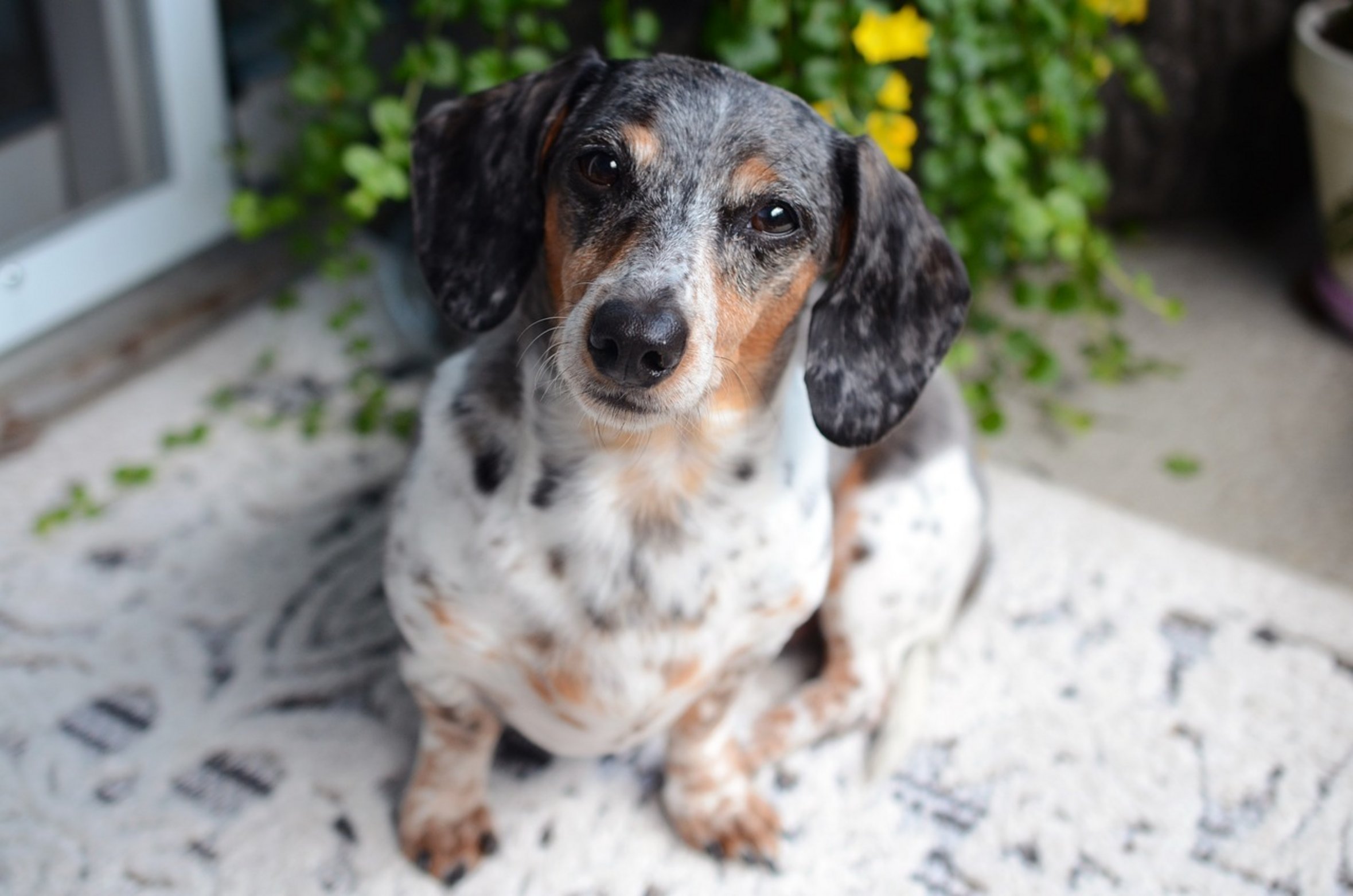
Coat/skin issues: Coat changes can be subtle. These include hot spots, increased shedding, and dull fur.
Also, obesity contributes to insulin resistance (like human type two diabetes). Insulin resistance impacts the immune response and skin health. Additionally, overweight animals has difficulty grooming themselves.
Extra pounds mean they can’t access some parts of their body to clean them, which results in matted hair and infections. It’s a compound issue that begins with extra calories.
Heart and Kidney Stress
Heart health takes another hit as well on the metabolic front.
With an enlarged heart, your pet has to work even harder to pump blood through his larger body, which increases chances of developing heart failure and hypertension.
Kidneys take a beating too. They have to do all that extra filtering to remove waste from their bigger bodies.
In time, this can speed up the onset of chronic kidney disease in aging pets. These conditions is silent killers. They come on gradually with no clear signs until it’s already too late.
Proper Feeding and Weight Management
Oddly, it’s simple to prevent. Always measure each meal. The most common mistake is providing free feed.
Free feeding is a recipe for disaster. Your pet does not self-regulate. If given access to food, he or she will keep eating till sick.
Be accurate: use a kitchen scale. Cup measures is notoriously inaccurate. Don’t add treats on top of your daily caloric limit; include them in the total.
If treating undermines the nutrition in the primary diet, it is no longer a treat. Instead, it becomes a reward that undercuts overall nutritional balance.
Safe Exercise and Veterinary Care

Get a body condition score from your vet.
Based off their age, breed and activity levels, he/she can create a custom plan. Switch to a low calorie food if needed (do this SLOWLY, as abrupt changes may cause digestive upset). Slowly increase activity levels.
If your pet is overweight but inactive, don’t expect them to leap into heavy exercise. Gradually ease into it with short bouts of exercise throughout the day, this helps build endurance while avoiding injury.
This is a slow leak on your pet’s health.
There isn’t one dramatic thing that happens but overfeeding drains their energy slowly away. If you catch it early you save them from pain. And you save yourself the heart break.
This isn’t about losing weight. It’s about living longer and having a good quality of life. Every calorie counts.
Measure it. Manage it. Watch them thrive again.
