
It’s Saturday morning. Time to head out of town for the weekend. Your home are empty.
Your fish remain in their tanks. If your sitter bails on you, or you forgot about the automatic feeder, panic may set in. As a fish owner, this is understandable.
What if your fish starve within a few hour? In reality, most healthy adult fish is difficult to kill. Fish are very good at surviving in the wild without a meal.
You’d be surprised how long your fish will lasts before they starve. Knowing this make life less stressful. You don’t need all of that fancy equipment when you’re away on trips.
You’ll be able to plan trips without needing expensive gadget. What will influence this? How long any given fish live depends on many factor.
How Long Fish Survive Without Food
How Long Can Fish Go Without Food
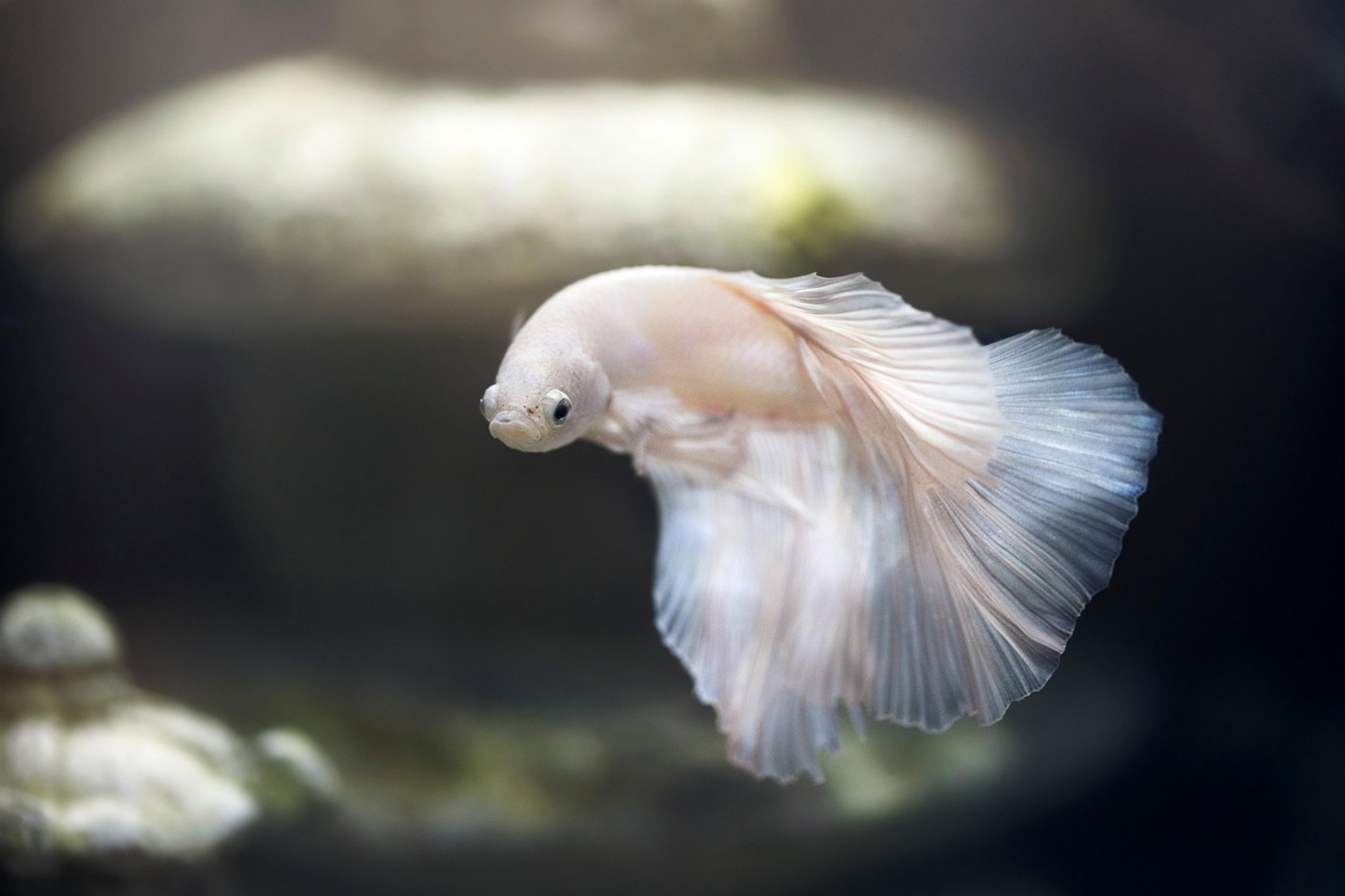
First is species. Next is size of the fish. And finally it’s the water temperature.
Factors That Affect Starvation Risk
For instance, a big goldfish isn’t going to have the same requirements than a small tetra. Another variable is the temperature. Metabolism increases with warm water.
That means they uses up their energy (food reserves) faster. Metabolism decreases in cold water. That in turn determine how fast the fish burns its food stores.
Warm Water Fish Fasting Limits
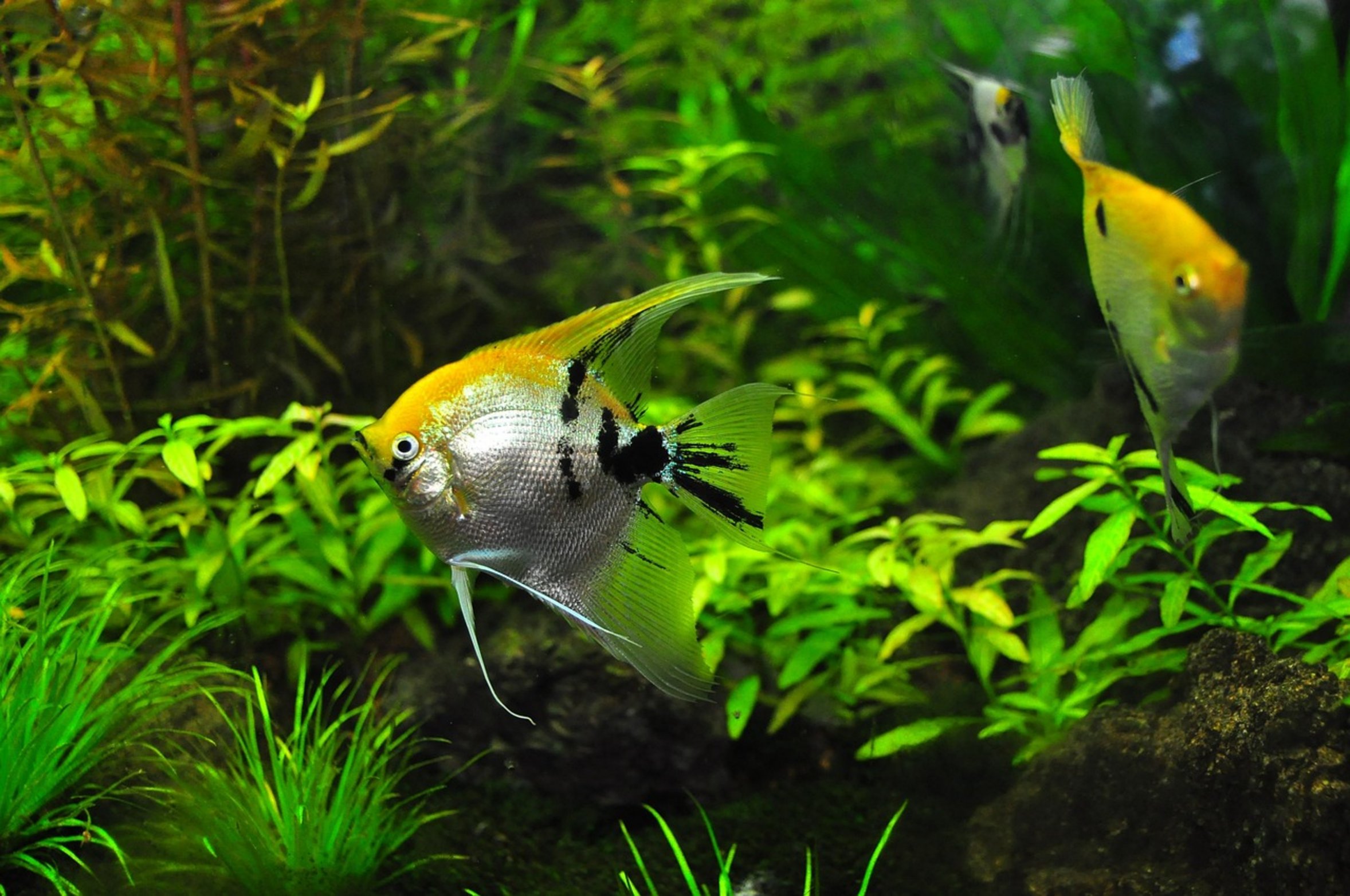
Angelfish are warm water tropical fish. So are guppy. They love 78-80 degree F temps.
They have quick metabolisms so they don’t hold onto food well. They can survives a week without food, but it is pushing their limits. A week and a half is the max I’d go on healthy adult fish before they might appear skinny.
Colors may start to fade. Fish may hide out more and even be lethargic. These are all signs of stress.
Coldwater Fish Survival Duration
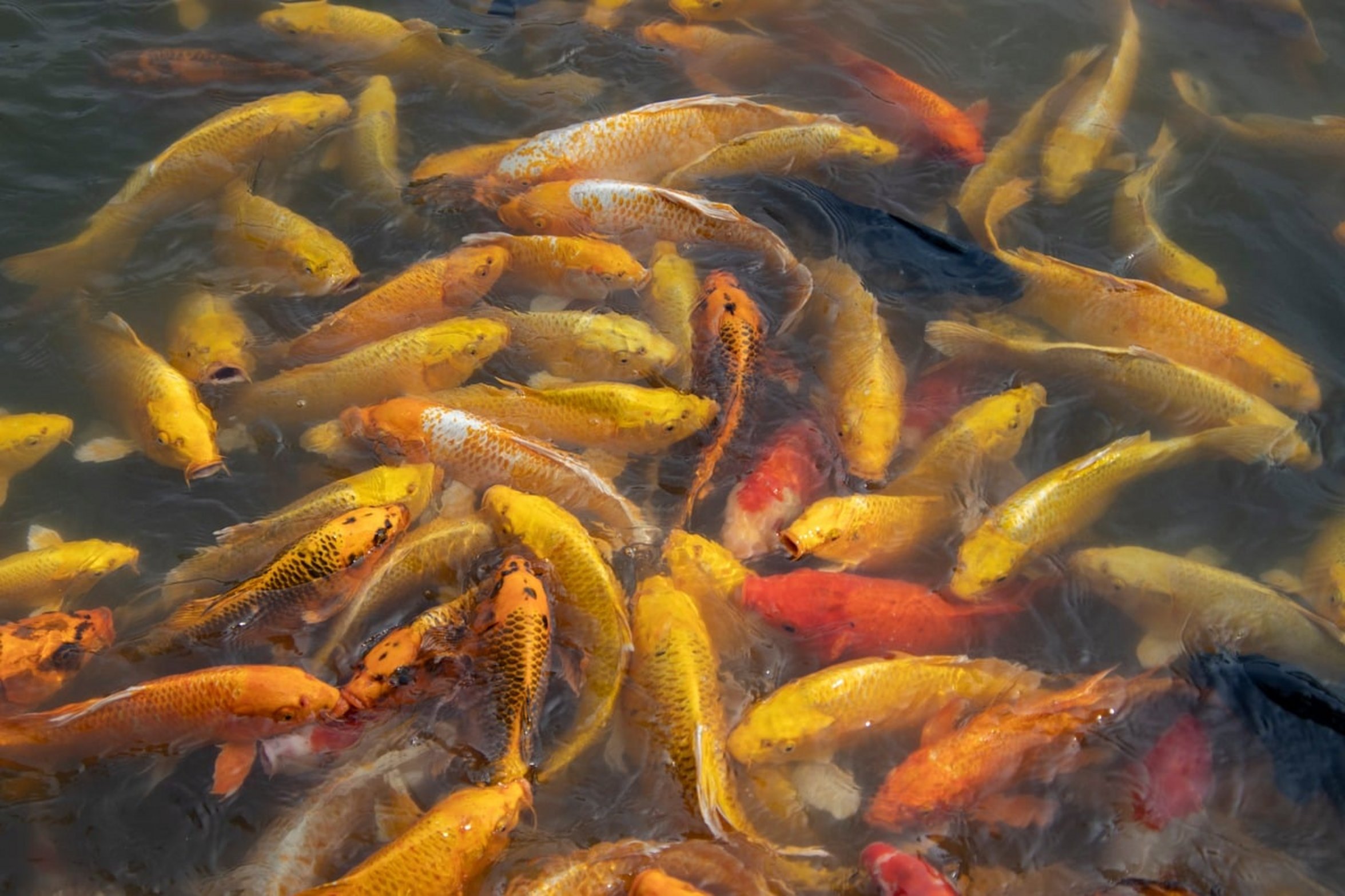
Koi and goldfish, however, are coldwater species. What do they do best? They do best in water between 50 and 65 degrees.
Why? Metabolism is slow. They don’t need to eat as much.
In fact, they can survives for two to four weeks without feeding. The fish stays healthy. In the wild, goldfish rarely eat in winter.
Your indoor goldfish won’t starve just because you forgot to feed them for a couple of week. They have fat reserves to draw from. Simply maintain good water quality.
Feeding Juvenile Fish and Fry
There is another group… Juvenile fish. Juvenile fish, including fry and fingerlings, grow fast.
That growth require fuel all the time. Juveniles can’t make it past a day or two without food. If you have juveniles, figure out how they’re going to be fed.
Don’t expect them to be resilient enough to save themselves. Failure to feed young ones will result in death or stunting of growth. Plan for young stock in advance.
Maintaining Water Quality While Away
Fish are more affected by water quality based off lack of food. Fish can outlast starvation. They cannot outlast bad water.
Dirty tanks increase ammonia. Ammonia will kill them faster than starvation will. Run your filter properly prior to leaving.
Perform a big water change the day before you leave. This gives the fish a nice clean environment. This gives it some time.
Best insurance is a clean tank. Don’t feed too much just before departure. That’s an urge we all have; that desire to load ’em up with chow.
Bad plan. Whatever you don’t eat, rots in your tank. This causes a spike in ammonia which poison the tank.
You provide a toxic tank in order to address a feeding issue. Feed them what they should of being fed on the day of departure and then trust the biology. Allow them to fast.
Returning from Vacation Feeding Tips
Be patient. Don’t dump an enormous amount of food in the tank when you get home. Your fish don’t has speedy digestive tracts.
Feed lightly for several days and let your fish gets used to things. Offer only a little bit at first. Observe as they feed.
Be sure they’re eating. Increasing the food slowly will avoids any digestion problems. It also allows their body time to readjust to normal.
Fish are resilient animals. Natural selection has made them that way. They didn’t die just because you were away on vacation for a couple of week.
Healthy adults won’t suffer from a few days (or even a week or two) of fasting. It mimics natural cycles of scarcity. Go on your trip, have fun.
Let your fish wait for you. The tank will be waiting when you get back.
