
You visit your local pet store and look into tank of neon tetras. They looks great. The water is clean.
There’s an air stone bubbling away in the corner. It all seems professionaly. Maybe you think those fish wouldn’t be able to live without that pump.
Or perhaps you recall your parents’ quiet planted tank. That one had no bubbles, yet those fish thrive for years. Which one is right for your tank?
Well, it’s complicated; sorta. No, an air pump doesn’t produce oxygen for your fish. Most of that air from the pump are nitrogen.
Whether Aquarium Fish Actually Need An Air Pump
Do Air Pumps Actually Produce Oxygen?
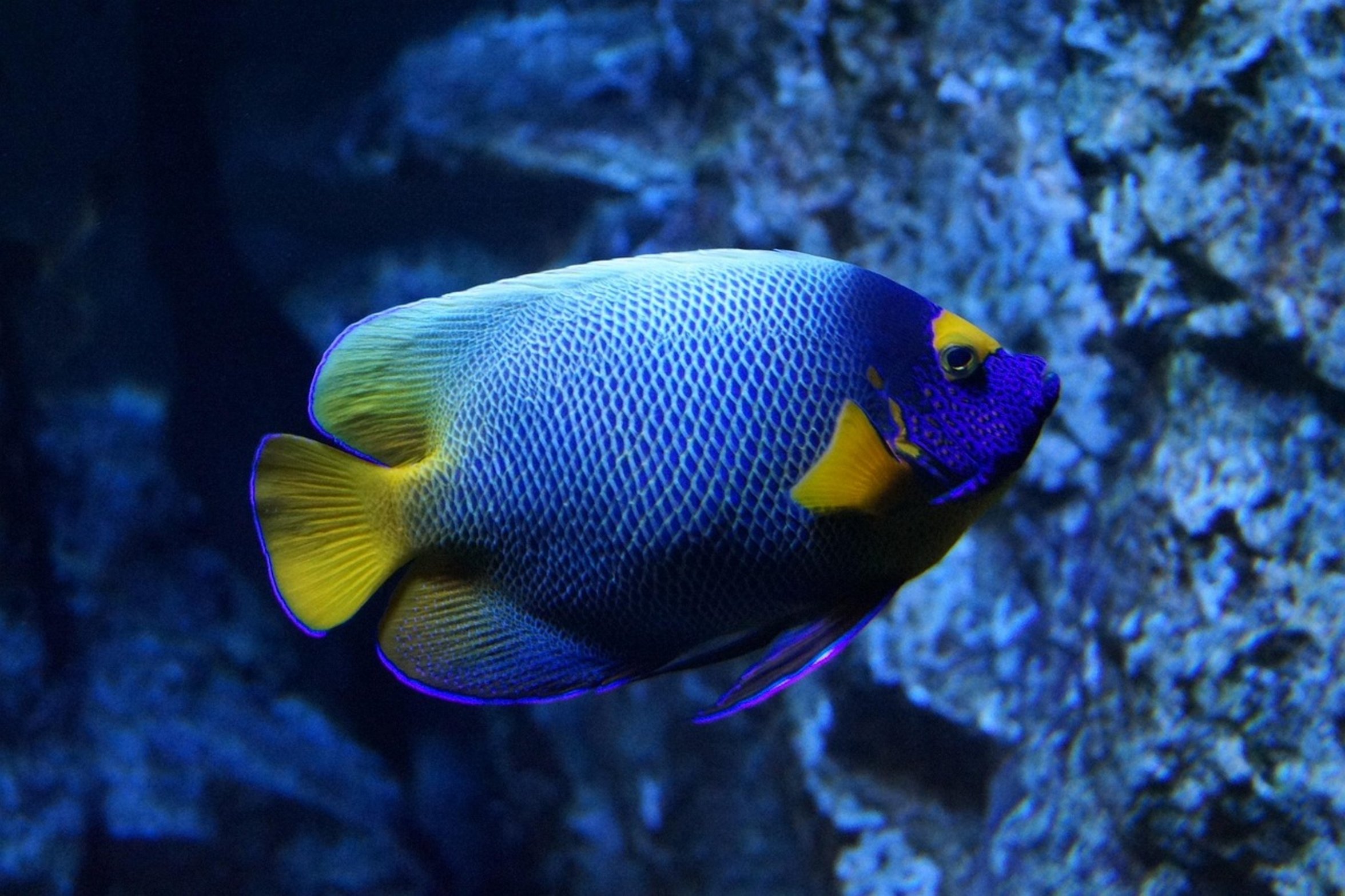
Aquatic life can’t use nitrogen. What they do like is agitation at the surface. A pump also assist with mechanical filtration.
Knowing this shifts shopping priorities. Now it’s about results, not gadgetry. What does your tank need to remain healthy?
How Water Surface Agitation Works

Remember fish don’t breathe pure oxygen from the water. The water takes in oxygen when it come in contact with the surface and then they extract it from the solution. The pump create surface turbulence.
This increases gas exchange between the fresh air touching the water and the stale water meeting the air. So bubbles are just a side effect. You pay for the movement more then the air itself.
When Filters Replace Air Pumps
If your filter has a good flow rate at output and creates strong ripples on the surface, you most likely have enough water exchange. The pump will become redundant. Air filtration, Not all filters require air.
For instance, hang on the back filters does not require it. These run on electricity that move water mechanically. Adding an air stone simply creates noise and expense with no additional function.
Sponge Filters and Breeding Tanks
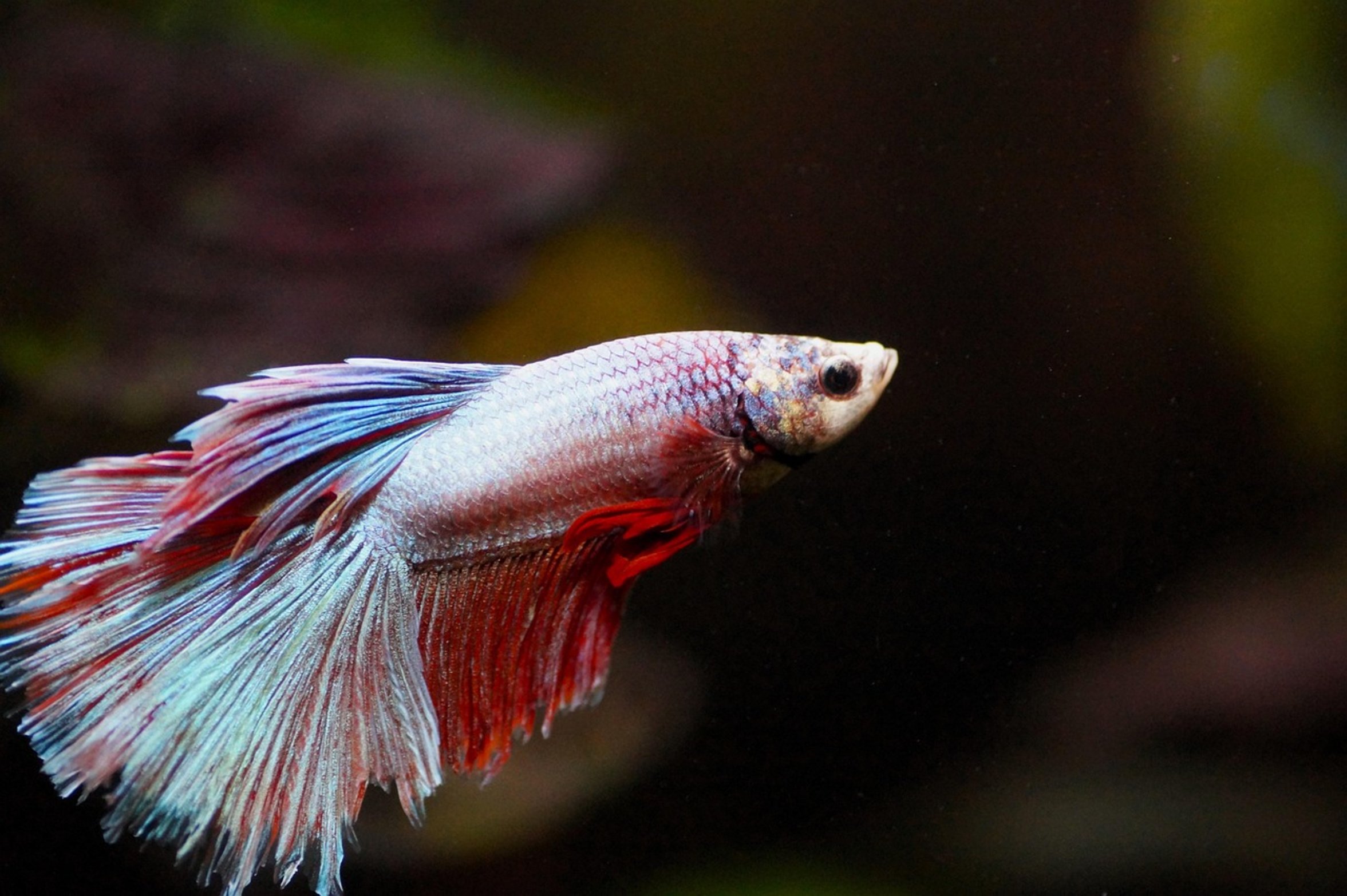
Sponge filters, however, do require air. How? The bubble rise draws water through sponge media.
Here is where it trap debris. It provides surface area for bacteria. They are ideal in a quarantine set up or a breeding tank.
They are also safe and gentle for fry.
Plants and Oxygen Balance
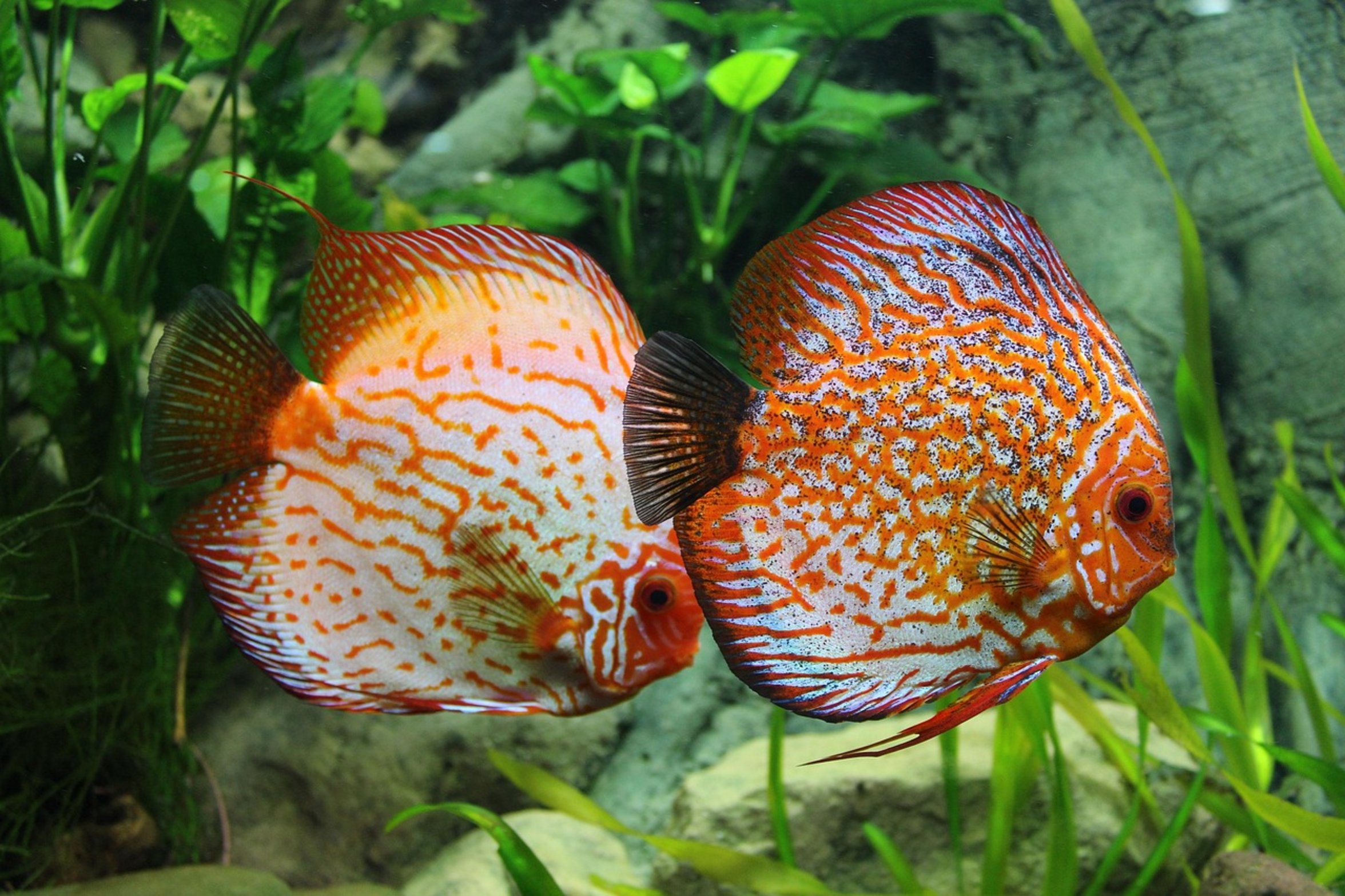
During the day, healthy aquatic plants will generate oxygen which greatly increases the level of dissolved oxygen. At night, the same plants uses oxygen.
This day to night cycle maintain a constant level of oxygen in a well planted tank. There’s rarely any reason for an additional air pump in that sort of tank. The plants is doing the job.
High Biomass and Oxygen Demands
But perhaps your tank has a lot of fast-metabolism fish. Perhaps it has cichlids or goldfish and those animals may require more oxygen then the plants can supply. It’s not so much the vegetation that determine the need but rather the biomass.
Observe your fish. If they are gasping at the surface in the morning, then you have an oxygen shortage, time to take action.
Managing Noise and Visual Clutter
There is aesthetics and noise to consider. Air pumps hum and vibrate. Sounds like a dying refrigerator. How do you manage that vibration?
With placement or pads. The tubing add to visual clutter. A clean tank is better looking.
A quiet tank is more relaxing. Use the filter output if it does the job of providing gas exchange in a better position. That simplifies the set up.
That reduces maintenance points. It focus the attention where it belongs… The landscape and the fish.
Determining Your Aeration Needs
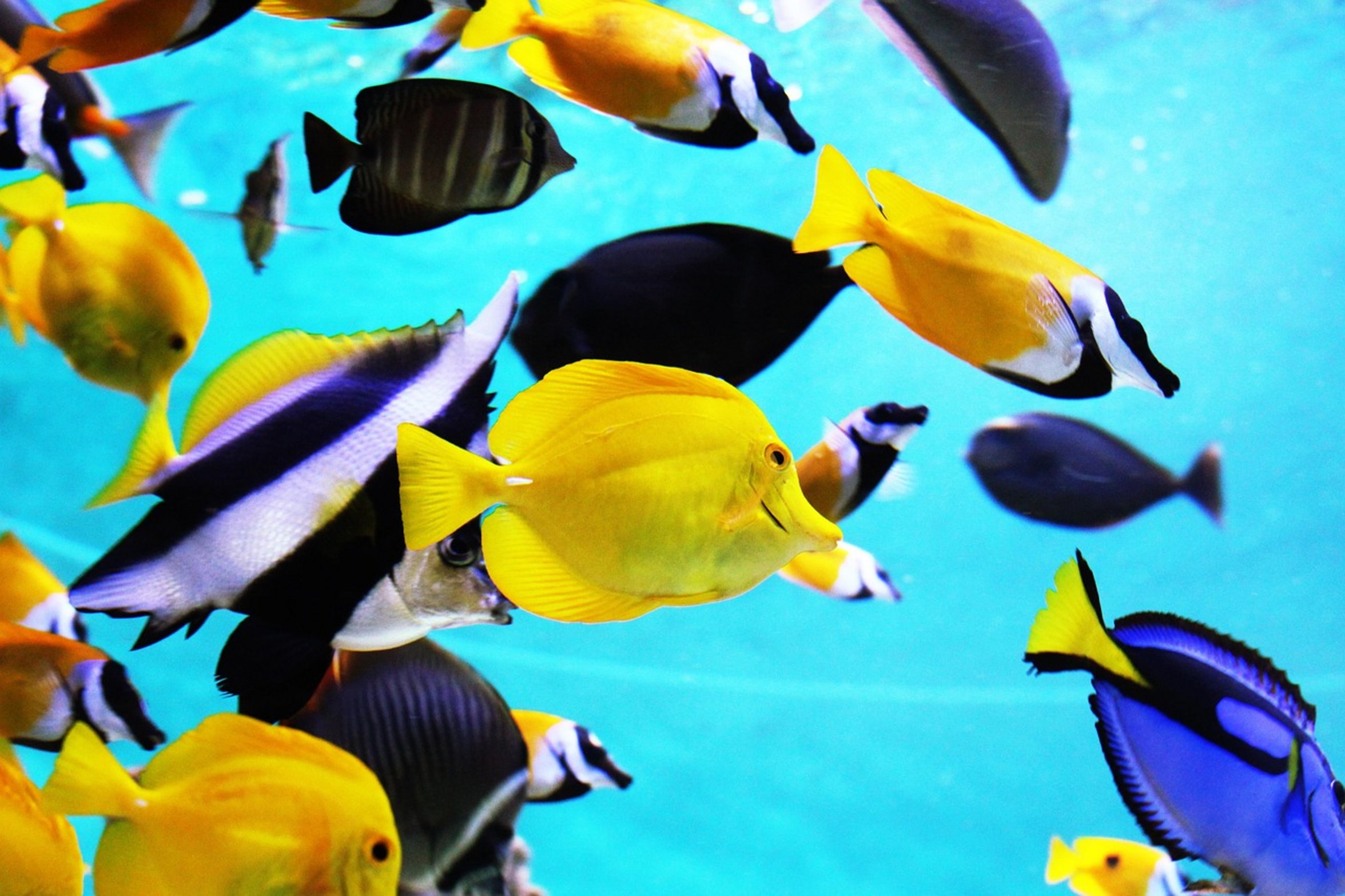
You can determine if you require a pump by looking at the surface of your water. Is it as still as glass? Add some agitation.
Are your fish hanging out up top? Check your aeration. Do you have a filter that requires air for operation?
Buy the pump. Otherwise you may be spending money on something you don’t need, namely sound. Watching the bubbles is nice but it isn’t the point.
It’s the movement that matters. Believe your eyes and believe your fish, not marketing hype. Get the water moving and let the fish tell you if they want more.
