
There are two very different worlds withing the same tank. One side is a low maintenance world that can exists with little more than some plastic accent and pieces of driftwood that seem to grow with minimal effort. On the opposite end, there’s a rich aquatic meadow of deep green and vivid reds.
What separates these two worlds? For many it’s supplementation with carbon dioxide. In the world of planted aquascaping, few subject are as hotly debated as the idea of injecting CO2 into your tank.
If you are new to the hobby, then seeing all those solenoid valves, diffusers, and regulator crowding up serious tanks can be intimidating. It seems like a lot of work, and it’s certainly not cheap. But many newbies attempt to mimic this high tech approach using low tech means and end up asking why their plant are turning brown.
Truthfully, it’s somewhere between those two extremes. It’s all biology. It demystify the hype by understanding the biological mechanics.
Do Aquarium Plants Really Need Injected CO2
The Role of Carbon Dioxide in Aquascaping
Much like their terrestrial counterparts (trees), plants uses light and carbon to make oxygen and energy via photosynthesis. Since the atmosphere has plenty of carbon to go around, it’s not an issue in an open system such as a forest. Fast forward to your closed aquarium.
Photosynthesis and Carbon Bottlenecks
Gas exchange occur slowly and there is only so much surface area to work with. Adding as much fertilizer as you want doesn’t change the fact that amount of carbon available will become a bottleneck if left unassisted. For simpler systems, there are natural ways to close this gap.
Low Tech Liquid Carbon Solutions
Organic carbon compounds from liquid carbon products such as Seachem’s Flourish Excel or Easy Life’s Easy Carbone are readily available to the plants. And since these don’t require exacting doses of pH drops and don’t relies on a gas cylinder, they’re an easy and safe way to go. It is great for slower growing species like Java Fern or Anubias in low light tanks.
You’ll enjoy consistent growth without having to deal with equipment headaches. The catch is you’ll never see the same intensity of coloration or rapid growth rates found in competition tanks. There’s a ceiling on performance that’s designed into it.
High Tech CO2 Injection Systems
The high tech version of injection turn the equation on its head. Pure CO2 gas injected at very high concentrations pushes it way past anything possible with liquids or even natural diffusion. The result is a forced condition where plants goes wild growing faster then any algae.
Healthy plants in an environment saturated with carbon literally outgrow the algae. And because algae grow slowly relative to plants, when there’s no more room and no more nutrition for them due to overgrown plant, the algae lose. It becomes a race (and it’s one of speed), which the plants win handily.
Equipment and Maintenance Requirements
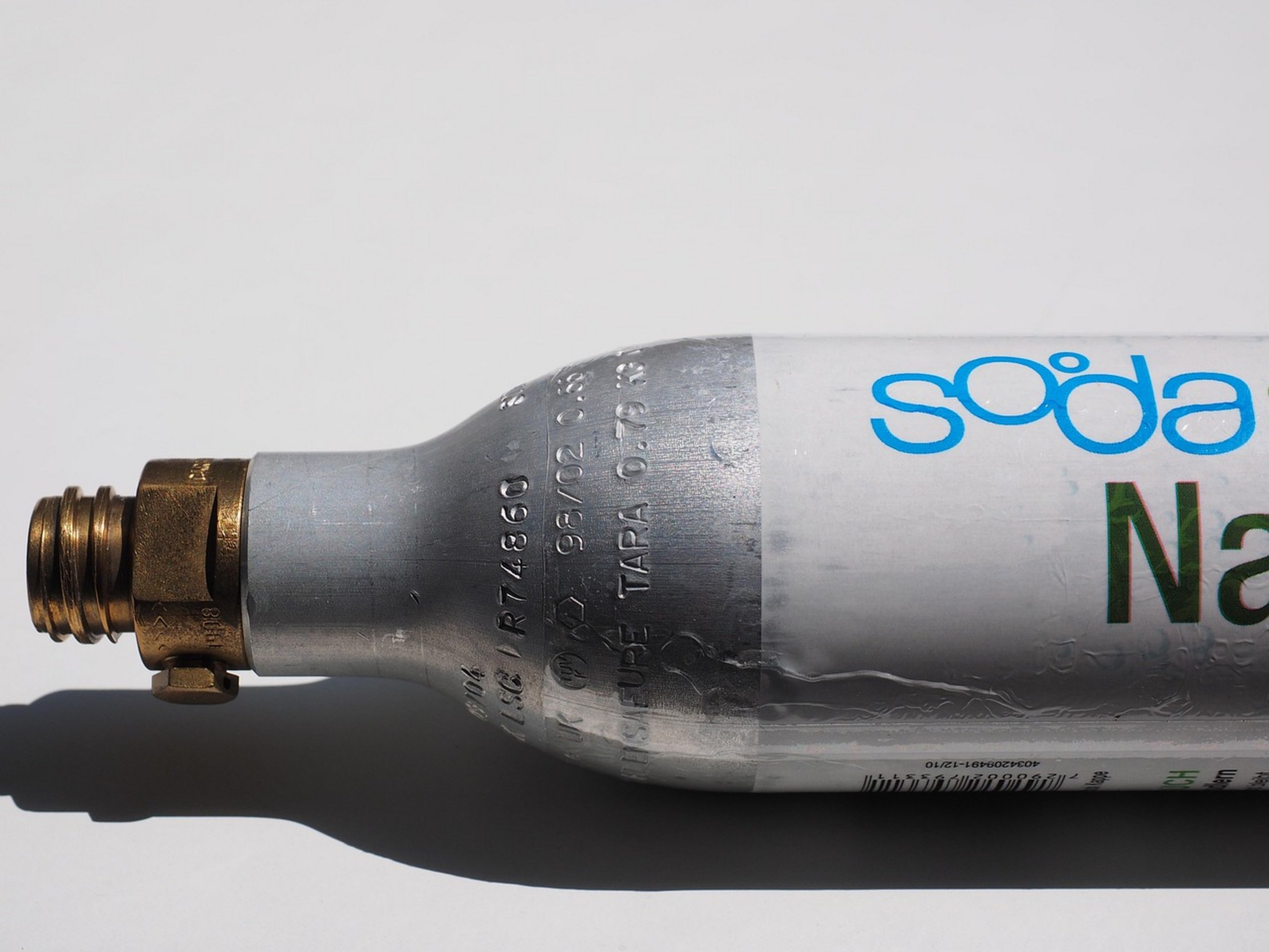
Standard industrial cylinder from Orlaco and their contents becomes the fuel for this engine. Injection adds another level of equipment to the hobby as well. This includes a cylinder regulator to manage the pressure.
It also include a solenoid valve to turn the gas on and off when lights are turned on. Then you require either a reactor or a diffuser to disperse the gas throughout the water column. All this cost money, takes up space, and must be maintained.
Diffusers will eventually become clogged, and cylinders must be refilled. More than that, you must keep tabs on your pH and KH levels so that it’s all running smoothly. The whole deal isn’t just putting gas in there but maintaining the right chemistry to keep plants happy and fish safe.
Balancing Light and Carbon Intensity
You shouldn’t inject any at all if your lighting isn’t very bright. Metal halide bulbs and high intensity LED arrays will supplies enough energy to make your plants grow quickly. These lamps don’t work with just any aquarium; if there’s no carbon, all that light will simply go to feed algal blooms rather than plants.
Floating plants will also helps here by shading the bottom, which means many people gets by without injection when keeping plants under dim lights. Plants will naturaly follow their need… They won’t require lots of carbon when they’re not growing fast.
Choosing Your Aquascaping Approach
The golden rule of planted tanks is to match your light intensity to your carbon source. So, what’s your choice? For me, it comes down to how you see the tank.
Do you desire a peaceful, green nook that only needs weekly top offs and monthly water changes? Don’t bother with CO2. Or do you want that dense carpet of Hygrophila or Monte Carlo that requires daily care and exacting water chemistry? Then go ahead and inject!
It is not because life as we know it depends on it, but because life as we like it does. You should of made your choice carefully and enjoy the water.
