
If you are like most planted tank hobbyist, your intention when you begin keeping a planted tank is pretty straightforward. You envision a forest of aquatic plants as backdrop of the tank. A couple of weeks later, you realize what happened: Your stem plants shoots up towards the light.
This left bald spots on substrate and resulted in a spindly-looking tank. After all the work, it’s frustrating to see. Most people don’t understand nature of plant growth in aquariums.
Aquatic plants don’t grow outwards. If left alone, they will only grows up (towards the light) and won’t bother growing sideways. That’s why you’ve got lots of plant but no “look” to your tank.
Adding more stems isn’t the answer. The answer is learning how to work with what you have. The key is: How do I get my plants to fill out, be nice and full?
The answer is: Trim them down and plant them again. Yes, I know… It sounds like a recipe for destruction.
You’re mowing down all those nice healthy green plants. Why would you want to do that? Of course, it makes the plant branch out in response, which is what we really wanted.
Simple Steps To Trim And Replant Stem Plants
Why Stem Plants Grow Tall and Thin
It prompts dormant buds on each stem (called nodes) to leap into action and push up another leaf or two. Now you have a nice, thick plant, not a tall one that just stretches itselft out. Decide when to cut.
How to Trim and Replant Stems
Know the right time to prune. Too many hobbyists tend to wait until their stem plants gets large enough that part of them is floating on top of water’s surface. At this point, the lower parts will have insufficient light and often rot or drop leaves.
Generally speaking, it would of been a good idea to prune stem plants when they’re roughly halfway the height of your tank. This allows light to reach the bottom, promoting new growth from the base to keep your plant at its most vigorous stage. Be sure to use a sharp, clean pair of scissors when cutting.
Crushing stem tissue with dull blades may causes rot or even infection by bacteria. Cut stems clean just above a node; the little bump in the stem where leaves comes out. Nodes are packed with the meristematic tissue that will grow into new shoots.
Cutting off that growth point by going too near to the node damages it; removing a very short piece of stem above the node ensures the best chance of plant’s rebounding. That’s what we’ll do with the cuttings, so don’t toss them. If they’re quite long, repeat step 2 (cutting the top off).
Afterward, simply stick those into substrate. Plant them singly or a few together. Try to bury them as deeply as possible without covering the top nodes, so that they recieve some light/water exposure from the top down.
Best Substrate for Plant Cuttings
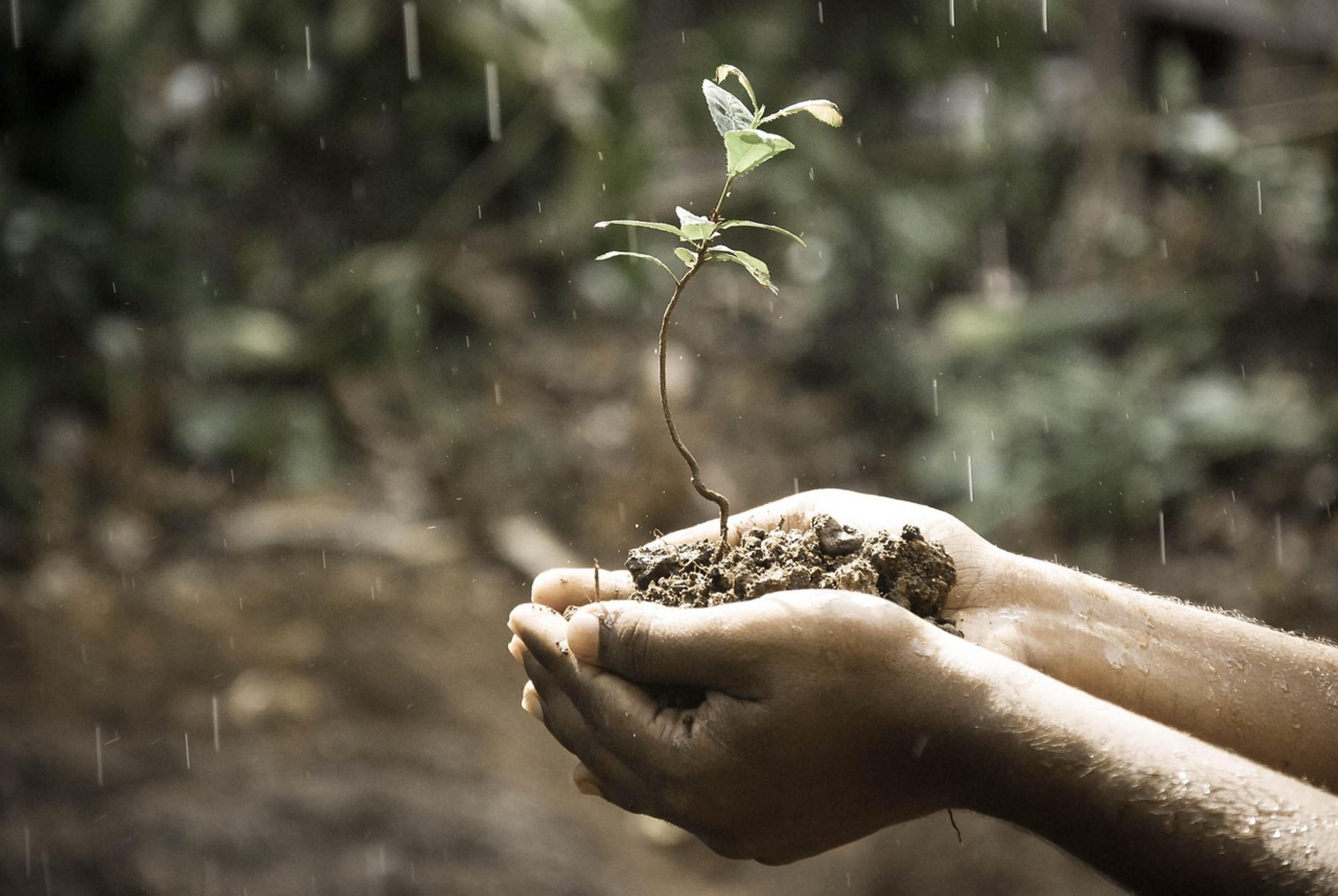
It’s an easy way to multiply the number of plants you have…for free! How successful are these cuttings? It depends on your substrate.
A fine-grain substrate such as Tropica Active Substrate or ADA Aqua Soil is better different than a coarse one (e.g., gravel). The finer particles compact against the cut end of the stem and shield it from forceful water movement. If you use large gravel, the cuttings might not anchor down unless you use a screen or mesh to hold them in place until they root.
Light and Fertilizer Requirements
During this phase of recovery, it’s also important that light isn’t too dim. The new cuttings is fragile and they don’t have much root mass to take up nutrients well yet. They depend a lot on photosynthesis.
So if your lights are not bright enough, instead of growing roots, the cuttings will start to melt. Make sure you use an appropriate amount of lights for the plants you’re growing in your tank. Moderate to high light levels is required for fast growing stems such as Rotala rotundifolia or Hygrophila polysperma to really branch out and thrive.
And the fertilization promotes fast growth. Nitrogen and potassium in particular are very important for stem plants which burn through nutrients quite rapidly. Trimming cuts out a large part of plant mass.
The plant must use energy to create this new structure. A liquid fertilizer such as Seachem Flourish or Easy Life allows for instant nutrient uptake through direct leaf absorption. This promotes faster growth and helps maintain the vibrant color.
Maintaining a Lush Aquarium Ecosystem
It’s a gradual process, one of patience and consistency. Trim at least once every couple of weeks (more frequent if your plants are growing quickly). With each trim, the plants gets denser and fuller.
The bare spots eventually fill in and the tank takes on that naturaly, overgrown appearance. This isn’t a matter of doing more work… it’s a matter of doing smarter work with the plant’s biology. The water quality also changes.
By out-competing algae for nutrients, dense planting help to reduce its growth. More plant leaves mean less nitrates and carbon dioxide. That means you have a balanced eco-system where the fish and plants benefits each other.
A trimmed tank isn’t just about looks; it’s a maintenance tool that keeps the tank healthy. Begin with one or two stem species that is easy to grow… Things such as Limnophila sessiliflora or Anacharis.
Observe how fast they recover from the cuttings. Based off their reactions, adjust your cutting approach to match. When confident with the process in these species, go for the finer ones.
Again, just remember: cut, plant, wait, then relax while nature takes care of the rest. A lush, full background will be your reward.
