
An upside-down swimming goldfish means something’s wrong. It looks like a malfunction, though it is usualy a biological issue. What’s happening is your pet has what’s called Swim Bladder Disorder (SBD).
That is, its buoyancy system; an organ filled with gas that floats inside the animal, have failed. And the result is loss of its ability to maintain neutral buoyancy. What happens then?
The fish will tilt and move around, that scares the owner. Luckily, there are solutions for this ailment all over the internet. They range from easy kitchen tricks to hardcore medical fixes.
Probably the most popular is what we call pea trick. A lot of online videos and forums talks about how boiling peas can fix the affliction. It sounds like an easy process.
Just boil some peas, take off their peel and then give them to your fish. Before you attempt this, however, let’s discuss why it works. More accurately, Swim Bladder Disorder is usualy not a disease at all but rather a symptom of something else that’s wrong.
Understanding Swim Bladder Disorder And The Pea Trick
Understanding Swim Bladder Disorder
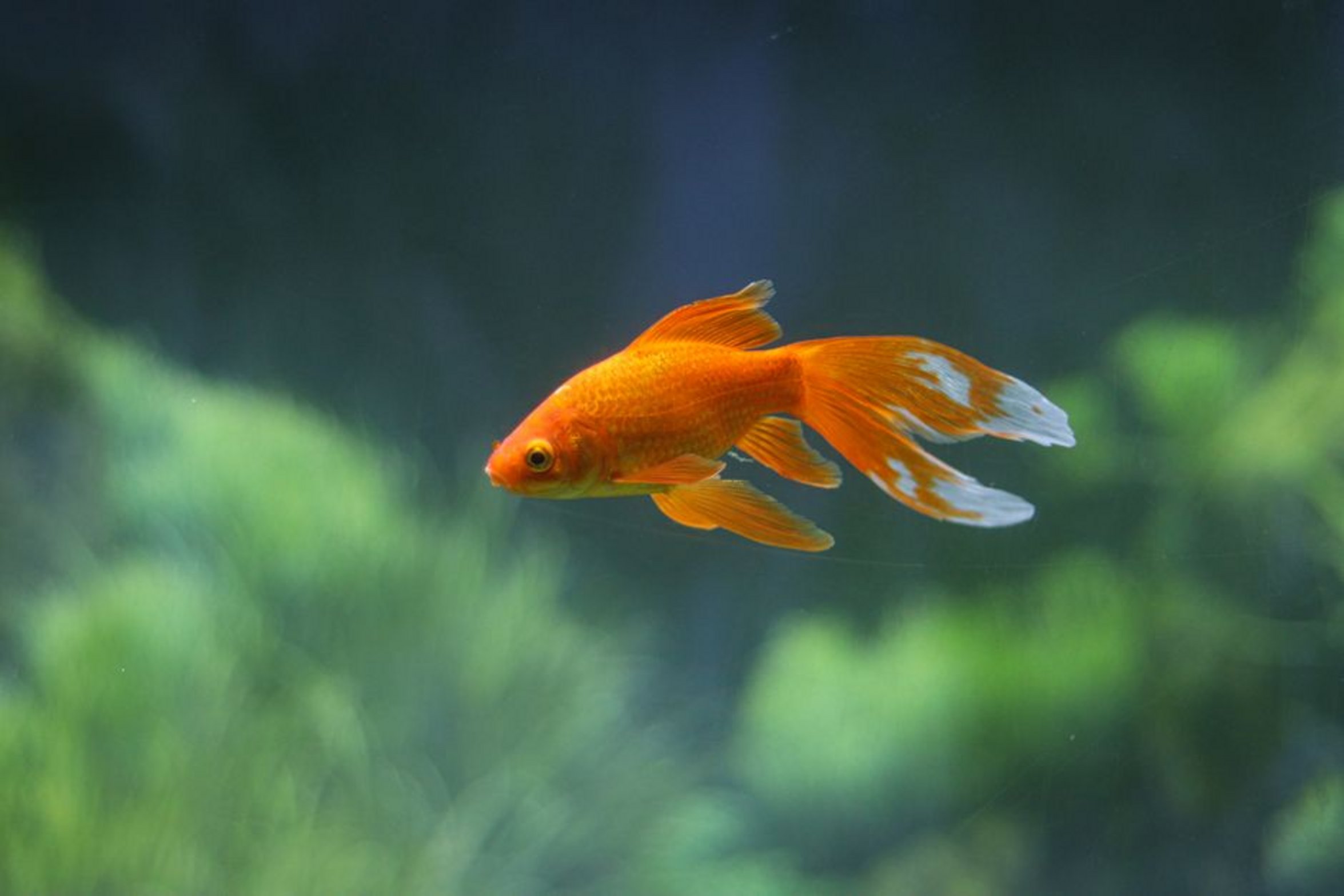
Here’s why: The swim bladder is a very fragil organ. It’s positioned just above the intestinal tract and stomach area. If there is any inflammation in gut, it will push on the bladder.
If the bladder is compressed, it won’t work correctly. The fish becomes out of sorts. Knowing this anatomy allow for effective treatment of the problem.
How The Pea Trick Works
This section covers buoyancy and digestion. Constipation is a leading cause of SBD. When fish eat they do so rapidly and often ingest air along with their meal.
Food in gut places pressure on the bladder. That’s where the pea trick comes into play. Peas are a natural laxative that contains large amounts of fiber.
This assist in pushing stool out of system and relieving pressure on the bladder. It’s not magic, it’s simple physics. But not all instances of SBD has anything to do with constipation.
For some fish, the condition may be genetic, traumatic, or due to a bacterial infection. In those situations, feeding peas won’t help. The issue isn’t addressed, there’s no infection/injury treated.
If the fish has been floating around for weeks without pooping, you’re probably not going to fix that with a diet change. Know the distinction between a chronic condition and a temporary blockage. Cooking the peas is key.
Preparing Peas For Your Fish
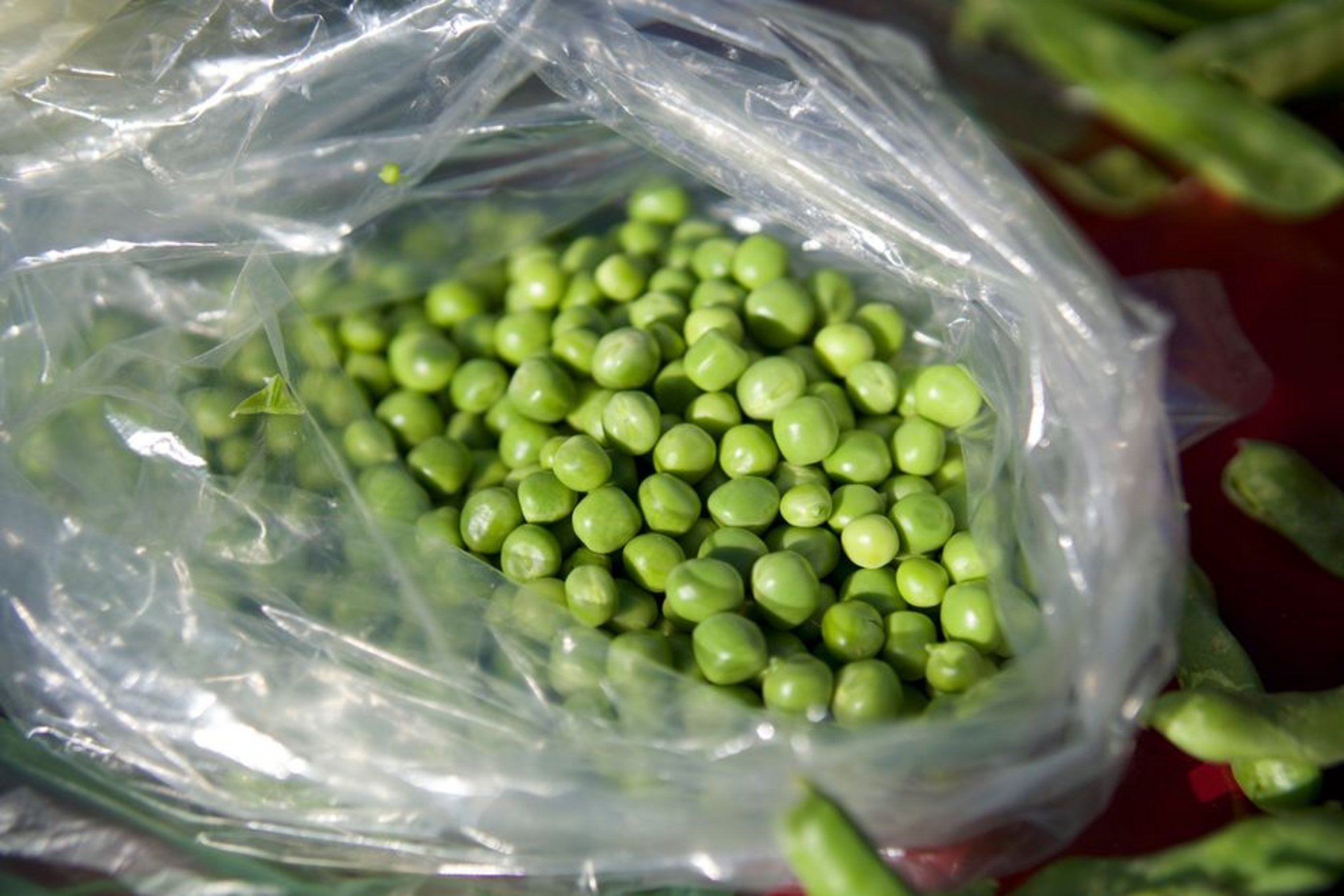
Whole raw peas are too hard and can cause choking. They have a tough skin that’s also difficult for a fish to eat. What you desire is mushy, green mush.
Take a pea (or two) and boil it till it’s tender. Carefully peel it. If your fish is having trouble eating big pieces of food, mash it a bit.
It should go down easy.
Adjusting Diet And Feeding Routine
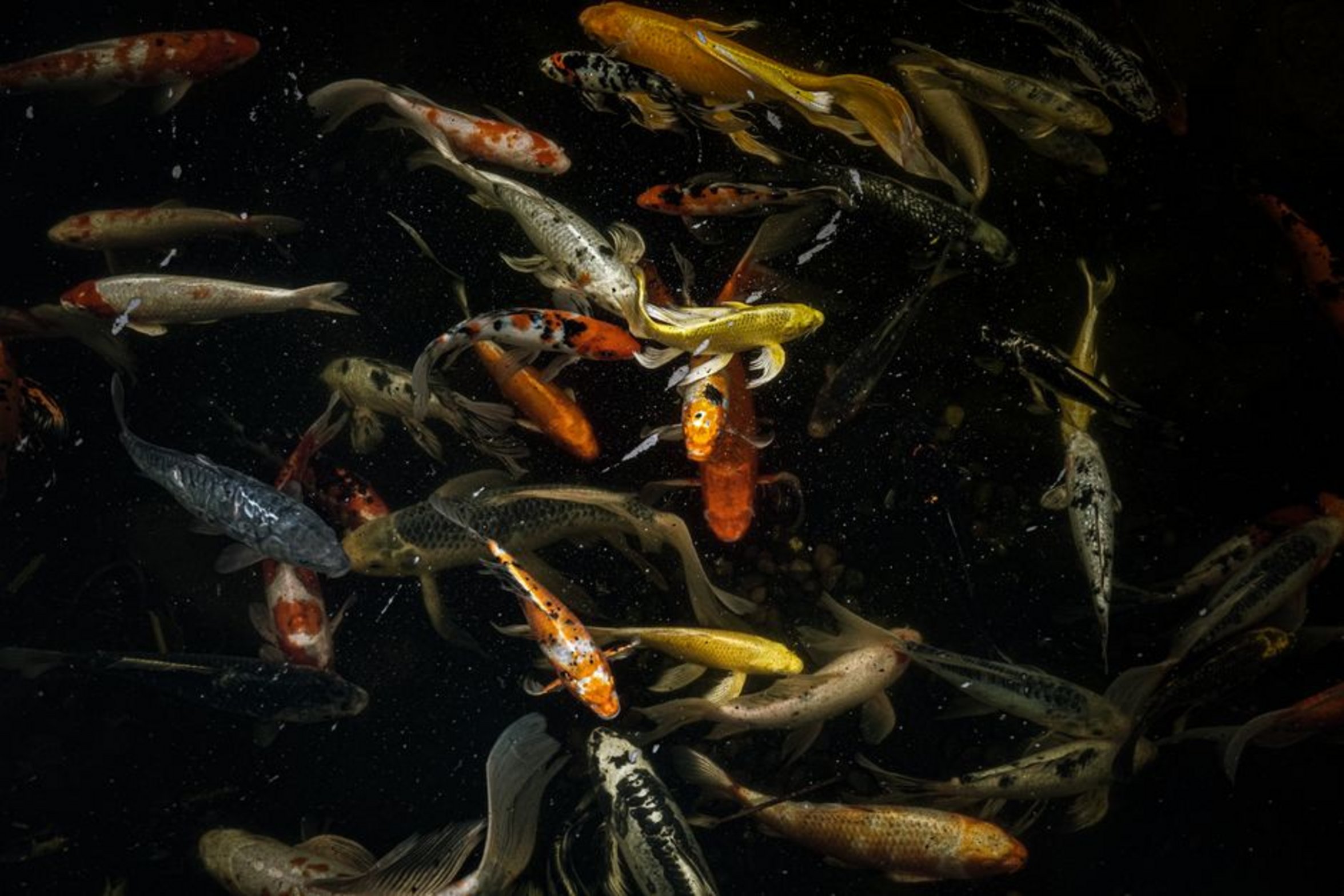
Change up their diet first. Before adding peas, you need to stop feeding them floating pellets.
Floating pellets makes your fish take gulps of air and that makes the buoyancy issue worse. Feed from bottom of the tank or switch to sinking foods. That minimizes air intake.
Next, starve the fish for one or two days, then feed them the peas. The emptier the fish’s stomach, the more receptive it is to the fiber. And when you do feed the pea, feed just a little bit.
Monitoring Progress And Water Quality
Be sure to watch them for a day or two after feedings. Watch the outputs and behavior change of the fish. In general, if they are swimming more level within a day or so you’re probably right about the constipation thing.
After that it’s probably something else, since a lack of improvement after a few days suggest the issue is more serious. Feed peas sparingly. Too much isn’t good either.
You might throw things out of whack. Diet is only part of it. The health of the fish depend on water quality as well.
Immune systems are stressed by elevated ammonia and nitrites. That compromises their ability to resist infection. Those infections, in turn, can impact the swim bladder.
Test your water frequently. Keep environment clean with regular (partial) water changes. No matter what is wrong, the fish stand a better chance if they have a healthy environment.
When To Use Medication
In severe instances, you might need medication. For bacterial bladder/gut infections, you may use an antibiotic like Metronidazole or Kanamycin. Ensure correct dosage and that you have a quarantine tank for treating fish without contaminating your other livestock.
Never self-medicate. Seek advice from an experienced keeper or your veterinarian before medicating. Medication should of always be considered a last resort rather than a first step.
Always rule out simple causes like diet and water quality first. What makes the pea trick work? It is simple; it naturaly causes bowel movements (laxative effect) by reducing physical pressure against the bladder.
Peas are a low-risk treatment option for presumed constipation. However, peas aren’t a cure-all. Frustration comes from treating the symptom without fixing the root cause.
Look at your fish, test your water, and think about the diet before grabbing the pot. When the fish rights itself and starts swimming correctly again, you breathe a sigh of relief. You’ve returned balance to an already delicate life form.
It doesn’t matter if you administer medicine, wait it out, or feed them some peas. Let’s provide our fish with every opportunity to succeed in their element. Water doesn’t wait for anyone.
Paying close attention makes all the differance.
