
There’s always that one moment of panic in every aquarium keeper‘s life. The lights come on and your tank is GREEN! It look as if an algae bloom occurred overnight and now your water is cloudy.
What’s your initial thought? You check the filter. You scrub it down, open it up, and make sure it’s flowing more, but still, the water remain green.
Why? It’s important to know that filters are biological AND mechanical devices, but they aren’t chemical devices. Filters does not eliminate microscopic life from the water.
Why Aquarium Filters Cannot Clear Green Water
Understanding Green Water Algae Blooms
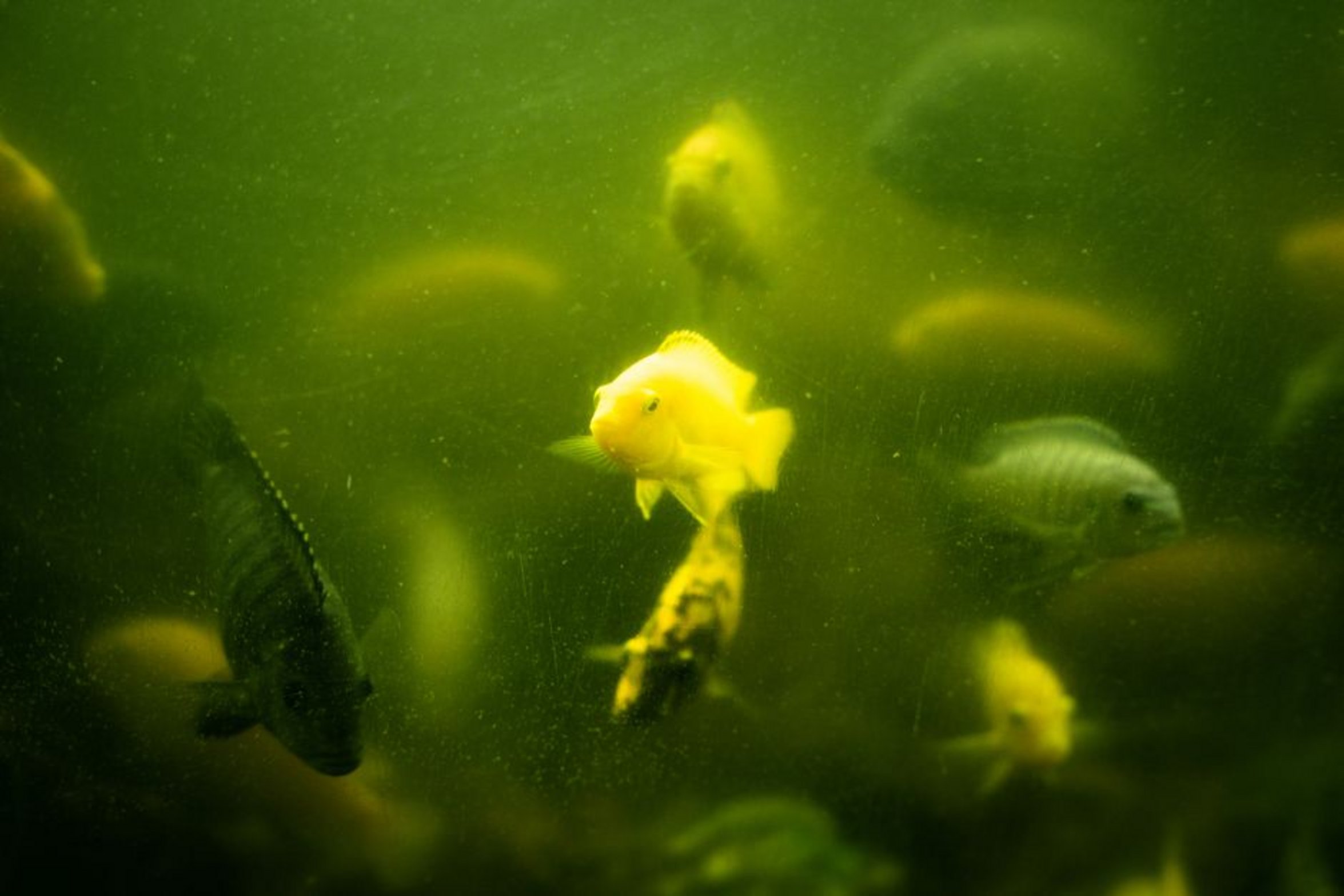
They trap particles and process waste. Treating green water as though it were dirt isn’t going to solve anything. It’s a biology issue…not a cleanliness issue.
It’s almost always from an overpopulation of tiny (microscopic) algae known as chlorella. They’re too small to be trapped by traditional filter pad. They’re also too small to get caught in your filter media; it simply has pores that is too big.
So the water gets filtered and flows clean, but there’s still that green tint to it. Raising water flow won’t make a difference… It’s already clear of debris.
That’s simply because it’s loaded with living single-celled organism. There’s literally a population explosion going on and your filter can’t catch it. The algae are there because there is too many nutrients and energy available.
Causes of Nutrient Imbalance
What cause this sudden appearance? Most often, it’s direct sunlight on the tank. That’s how the algae get their “food”, they’re able to photosynthesize and grow.
They take up the nitrate (nitrogen) and phosphate (phosphorus) left over from uneaten food or broken down plants and turn it into more algae. And you’ve provided a nutrient-rich environment. Your water isn’t dirty in the usual way.
It contain plenty of nutrients that feed the algae. Until you starve them of their fuel, the bloom will persist. First, cut the light!
Lighting and Feeding Adjustments
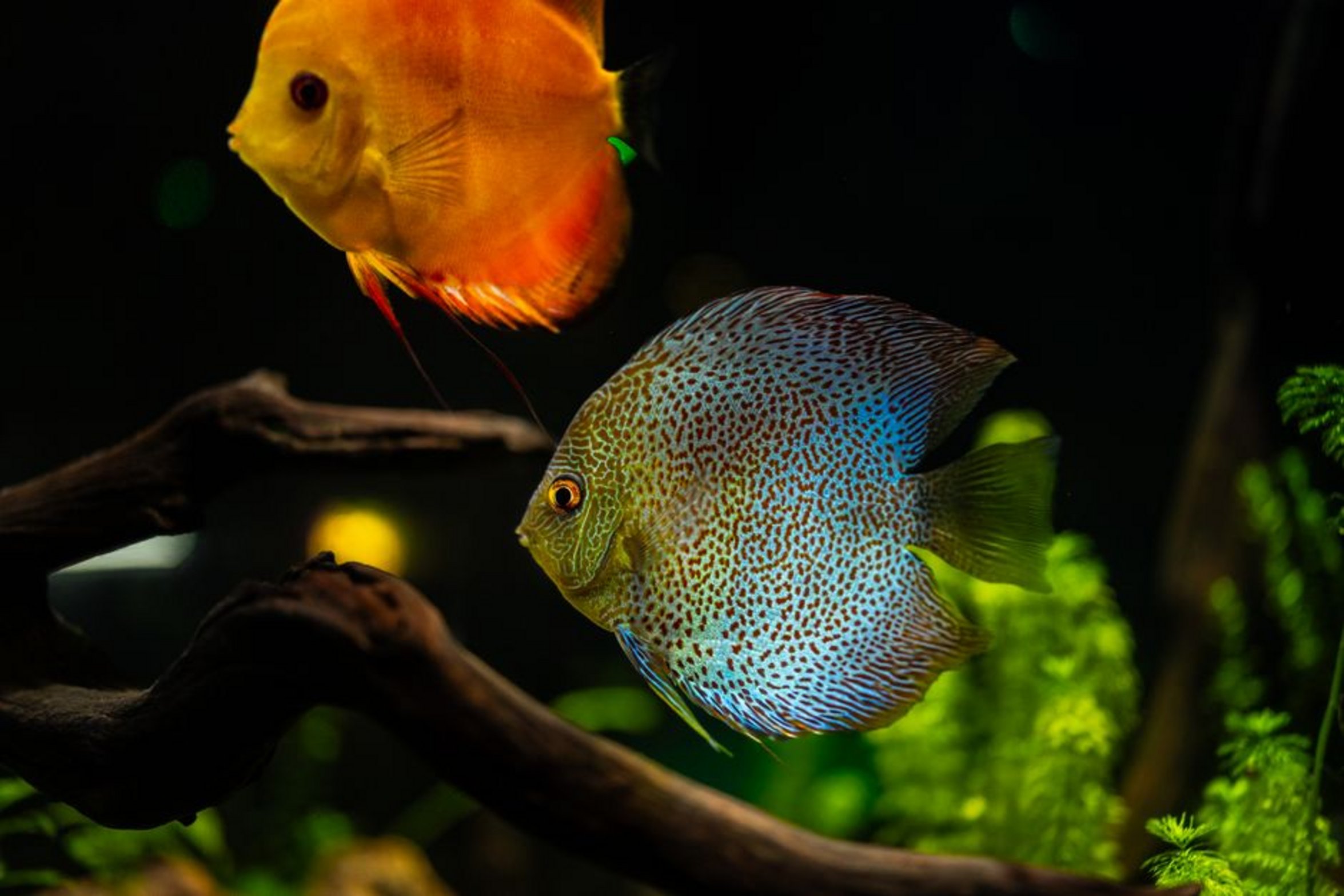
Move the tank out of direct sun if possible. Shorten the time under artificial lighting. Plants generally only require 12 hours.
Anything longer promote algae growth. Adjust how often you feed. Feeding too much add additional waste which decomposes into phosphates and nitrates.
These are the same nutrients consumed by algae. Reduce your feeding frequency and do a bigger water change. Lowering the nutrient load will deprive the algae and starve them.
Chemical vs Natural Treatment Options
Others employ ultraviolet clarifiers or chemical algaecides. UV lights will pass water through them and kill the cells. But they’re an investment and need maintenance.
Chemical treatments runs a risk of harming fish and beneficial bacteria. Dilute and starve out the algae. That’s the mechanical approach and it’s slower, but it’s safer.
Let the ecosystem return to balance on its own. That requires patience. It is part of the solution.
Using Plants to Restore Balance
You want balanced water. Sterile water isn’t your goal. Certain plants like java fern or hornwort is fast growers.
They fight the algae for nutrients. First they get the food, then the algae dies. The bloom stops and there will be less in the future.
That’s a long term solution. So you should of put in some work upfront, but this is a natural filter. And it works.
It was a warning sign (green water) instead of an equipment failure. So now I’m certain you’re aware that the haze isn’t dirty. That’s right, it’s algae.
And what does that mean? The energy balance of the tank are out of whack. Get your hands on some control over the nutrient load by changing lighting.
Clearing the water will take care of itself. After the algae are removed, the filter will function just fine. Manage the environment; stop filtering biology out.
You’ll see clear when you do.
