
That’s right, black beard algae (BBA) is also know as those stubborn black speckles that refuse to come off the leaves and rocks no matter how much you vacuum and scrub your tank. It look like soot. It is hard to scrape and soft to touch like velvet.
Many consider this symptom to be an enemy. But it isn’t. It doesn’t give a hoot what your tank look like.
How To Stop Black Beard Algae Returning
Understanding Black Beard Algae
BBA only care about a few things: light, nutrients, and carbon dioxide. When any of these get out of whack, the algae goes in. This happens if there is little flow or too much light.
The algae grow when it gets the chance. Once you understand this, you can address the issue. And don’t think chemicals alone will do anything permanent.
You need to adress the conditions. The primary problem are often lighting. Many hobbyists believe that “more light equals healthier plants.” That’s true with stem plant but not with BBA which uses too much light as an opportunity to grow faster.
Lighting and CO2 Imbalance
Without sufficient carbon dioxide, you’ll starve your plants but feed the algae. The plants will became stressed out and reduce growth rates. As they slow down, the algae take over.
It all comes down to balancing light intensity and photoperiod. Decreasing the photoperiod by one hour might tip the scale in favor of the plants. They’ll have time to catch up.
Improving Water Flow
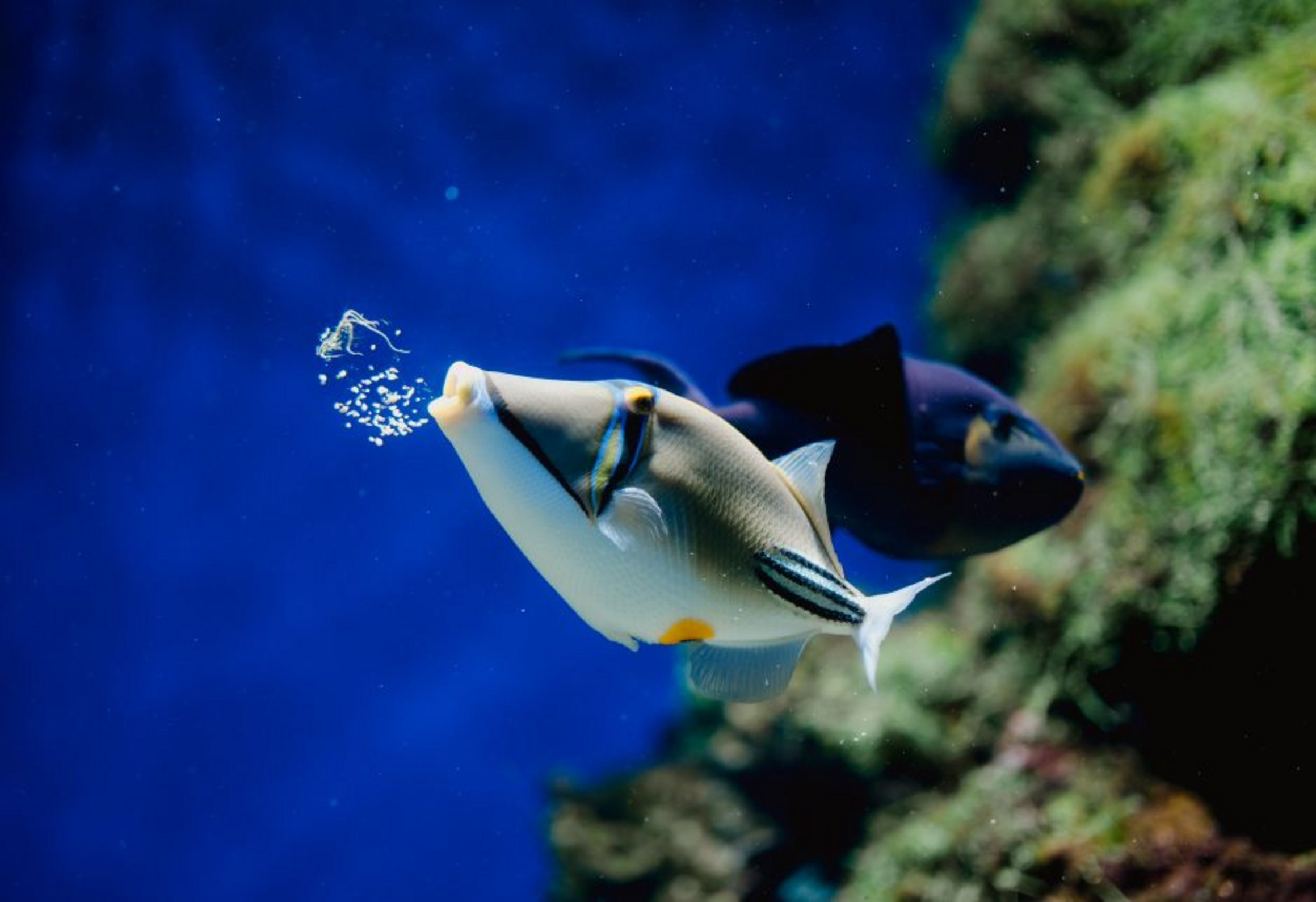
Water flow is another factor that can help control this. Areas with low current will hold on to BBA. It is typically found in tank corners or behind decor.
Current is necessary for both beneficial bacteria and plant roots to obtain nutrients. Dead spots create dead zone where algae spores can find refuge. Adjusting the angle of your outputs or adding more filtration capacity can break up these calm spot.
The goal is a gentle turbulence and not a strong torrent. Why? It help the plants thrive while disrupting the comfort zone of the algae.
Fresh water should be moving across all parts of the tank. To begin, you’ll have to do this manually. There’s no way to remove current colony by tweaking your settings.
Manual Removal and Biological Help
If you want them gone, you’re going to have to get out that scraper or credit card and scrape them off the glass. It’s tedious but it has to be done. Some folks depend on Nerite snails or Amano shrimp to keep the loose spores picked up.
While these animal assist, they don’t entirely solve the problem. They consume what they come in contact with, but those deeper areas require manual attention. Don’t count solely on biological solutions.
Use both tools and changes to the environment for better results. Finally, try chemical treatments. This is risky business.
Chemical Treatments and Prevention
Glutaraldehyde will kill BBA right out of bottle. But it’s a blunt instrument in a sensitive ecosystem. In the wrong hands, it can do more harm then good by killing off your good bacteria as well as delicate plants.
Exercise caution and use this with discretion. Prevention is the true winner. After adjusting flow, CO2 and light, you establish balance within the tank.
You gain control and no longer have return visits from the algae. Your tank transition from a battleground to a balanced system. The key to long term success is patience.
Don’t change everything every day; it takes time for changes to show themselves. Change one thing at a time, wait a week, and see what happens. Little things adds up over time.
Pretty soon your plants is growing well, and the black spots are gone. Your tank is bright once more. And you’ll know that the algae wasn’t the issue, but rather an imbalance in the tank.
Correct the imbalance, and the algae go away. If you keep that harmony going, it never really returns. The water remain clear.
