
Hair algae look like wispy thread of algae clinging to live plant, decorations, and even your glass. What begins as a single loose strand in one corner can soon spread throughout whole tank. While fish will occasionally pluck at it, typical they don’t consume enough to remove it.
Because hair algae grows under the same conditions as the plants which thrive in your aquarium, it easily outcompete them and rapidly multiplies. In short, you’re battling a competitor who is using your very own environment against you. However, there’s a problem.
How To Identify And Remove Hair Algae
Understanding Hair Algae Growth
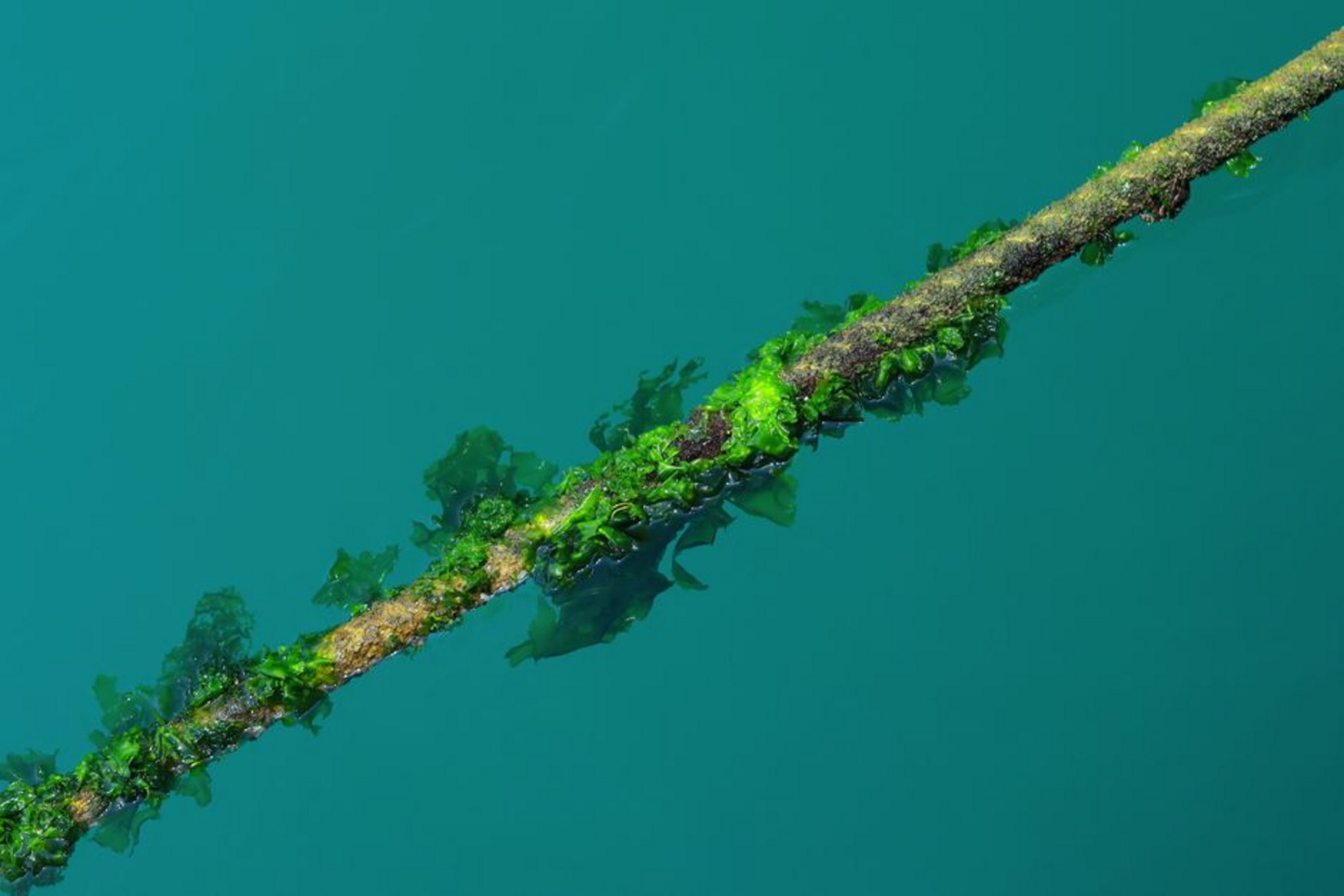
Hair algae is not necessarily indicative of an unclean tank. Sometimes it bloom in tanks with perfect parameters and perfectly pristine water. New aquarists get confused and think they’re doing something wrong because they’re not cleaning their tank.
The reality is more complex. It involve carbon dioxide levels, light, and balance. If you know what cause the growth, then you’ll be able to pull it out more effectively and prevent it from returning.
Adjusting Light Exposure
When hair algae show up in an aquarium, light is typicaly the first place people look. Less light equals less algae, right? Well, maybe not.
Yes, plants require light for photosynthesis; yes, algae also requires light for photosynthesis. If you’re providing more than enough light for your plant, you are giving the algae bonus hours of growth time as well. I see many aquarists leaving their lights on all day (ten or twelve hours).
That’s plenty of time for algae to outcompete slower growing stem plant. Diminish the photoperiod to something like six or eight hours and deprive the algae of food while still allowing healthy plant life to thrive. Make the ecosystem readjust to its own internal clock.
Managing Carbon Dioxide Levels
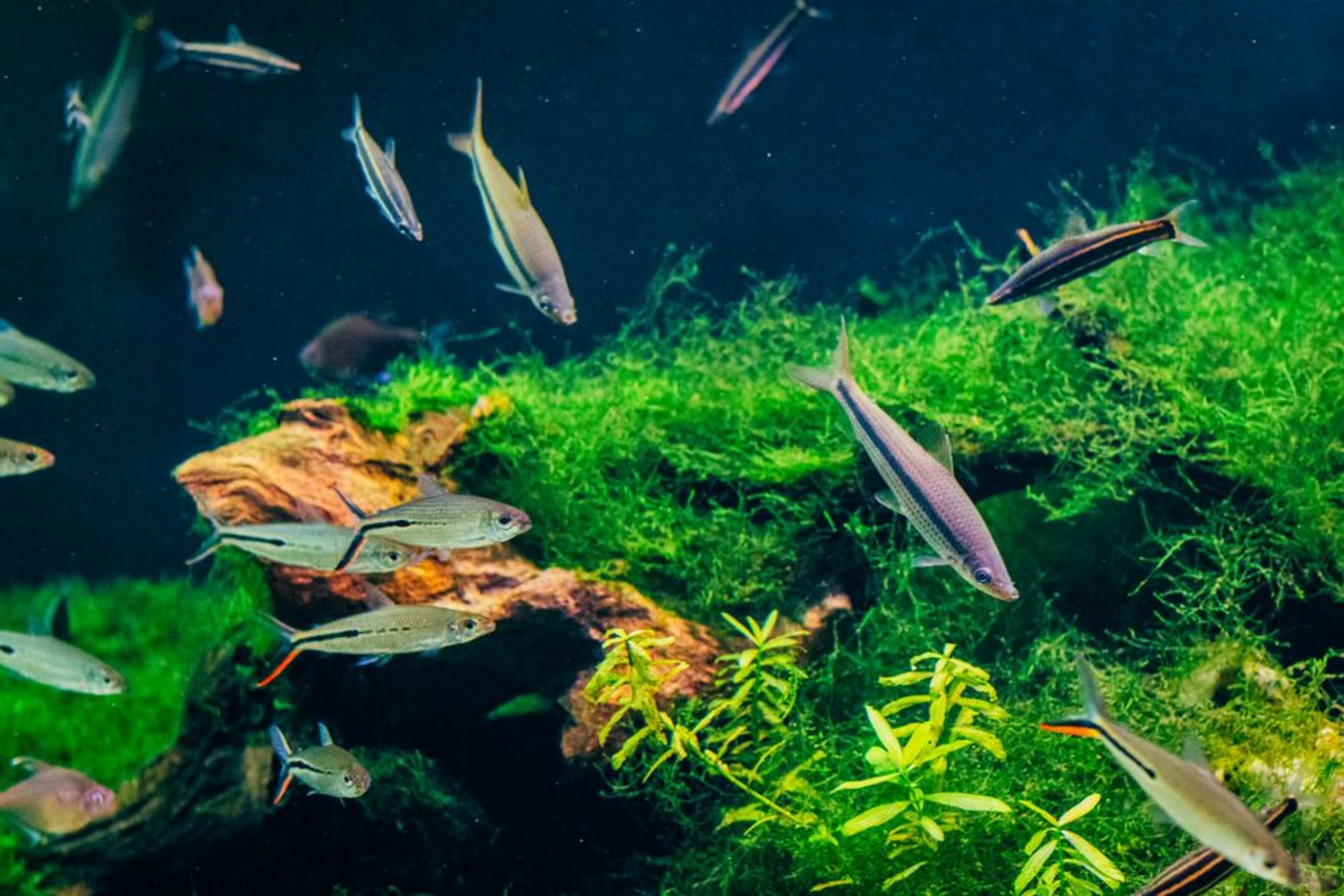
Surprisingly enough, carbon dioxide also have a large impact on this struggle. Fast growing plants (e.g., Java Fern, Amazon Sword) thrive when there’s lots of CO2. Low-CO2 conditions cause plant to grow slowly and promote hair algae. Why?
Because if your plants aren’t eating up nutrients rapidly, they sits in the water column. Guess what fills the void? Algae!
A good CO2 injection system help you give your plants the advantage again. They’ll out-compete the algae for food and space. It’s a quiet biological struggle that happen over time.
Balancing Tank Nutrients
Another reason is nutrient imbalance. Plant life need nitrogen and phosphates. The more you feed a tank with these nutrients, the more you’re feeding it to algae if there aren’t fast-growing plant to consume them quickly.
Overfed? Excessive nitrate (from fish waste) make the issue worse. Test your water to determine what the spikes is attributed to.
Sometimes the issue is not an excess of nutrients but a lack of nutrients. A lack of nutrients can cause the plants to become pale and weak, making them susceptible to algae growth on their leaf. Balanced dosing help keep everything in check.
Manual Removal and Prevention
In the beginning, you will need to manually remove it. Using a toothbrush or just your hands, you should of be able to pluck at least some of the hair algae away. It’ll get rid of immediate eyesore and scrubbing the glass will help too.
But unless you change things that caused it in the first place, it’s only a matter of time until it come back. Remember, algae has spores literaly everywhere. There is no way to eliminate them entirely.
Using Natural Algae Eaters
All you can do is make your aquarium an uninviting place for them. Adding a few nerite snail or some Amano shrimp, for example, will continue to maintain the tank over time. Those guys will nibble on new growth as soon as it appear, preventing it from becoming an issue.
They are not a cure, but they are good supporting cast members. Patience is the most underrated weapon against algae. It take weeks for the water chemistry to change.
Patience and Long-Term Maintenance
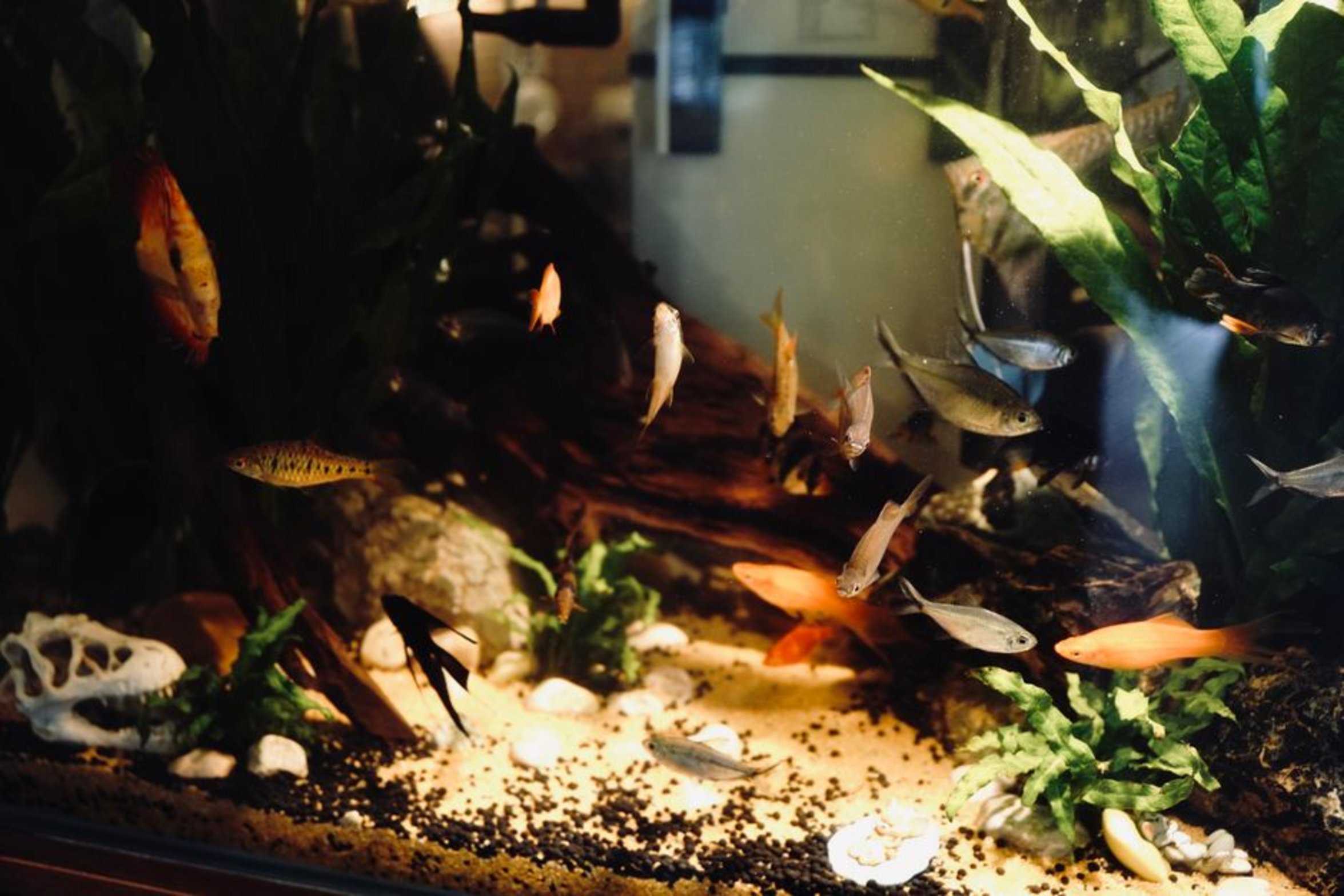
Adding CO2 or adjusting the light won’t make an immediate difference. Your tank’s ecosystem require time to adjust. During this adjustment time, keep a regular maintenance routine.
Diluting excessive nutrients through regular water changes will also help. Don’t be tempted to overwhelm it with chemicals when you get panicked. Doing so almost always backfires.
Be patient. Let the plants heal themselves. Soon enough, your healthy plant will gain their strength and push the hair algae into the background.
One day, your tank look like it should; naturaly beautiful.
