
One day, everything was fine in your yard, but now your pond’s gone green! It is green and thick. It’s an ecological mess.
And it happened fast…overnight even. So what do you do? First, know that it’s not you; despite your best efforts to keep things clean up, it always comes back, right?
Turns out, there are more reason than just looks to address such dense algae growth, called cyanobacteria (blue-green algae). Aside from using precious oxygen during nighttime hours, these bloom can release toxins that can be deadly to human, pet and aquatic life. Before you’ll truly get rid of it for good, you have to know why it occur.
How To Clear Blue Green Algae From Your Pond
Understanding Blue-Green Algae
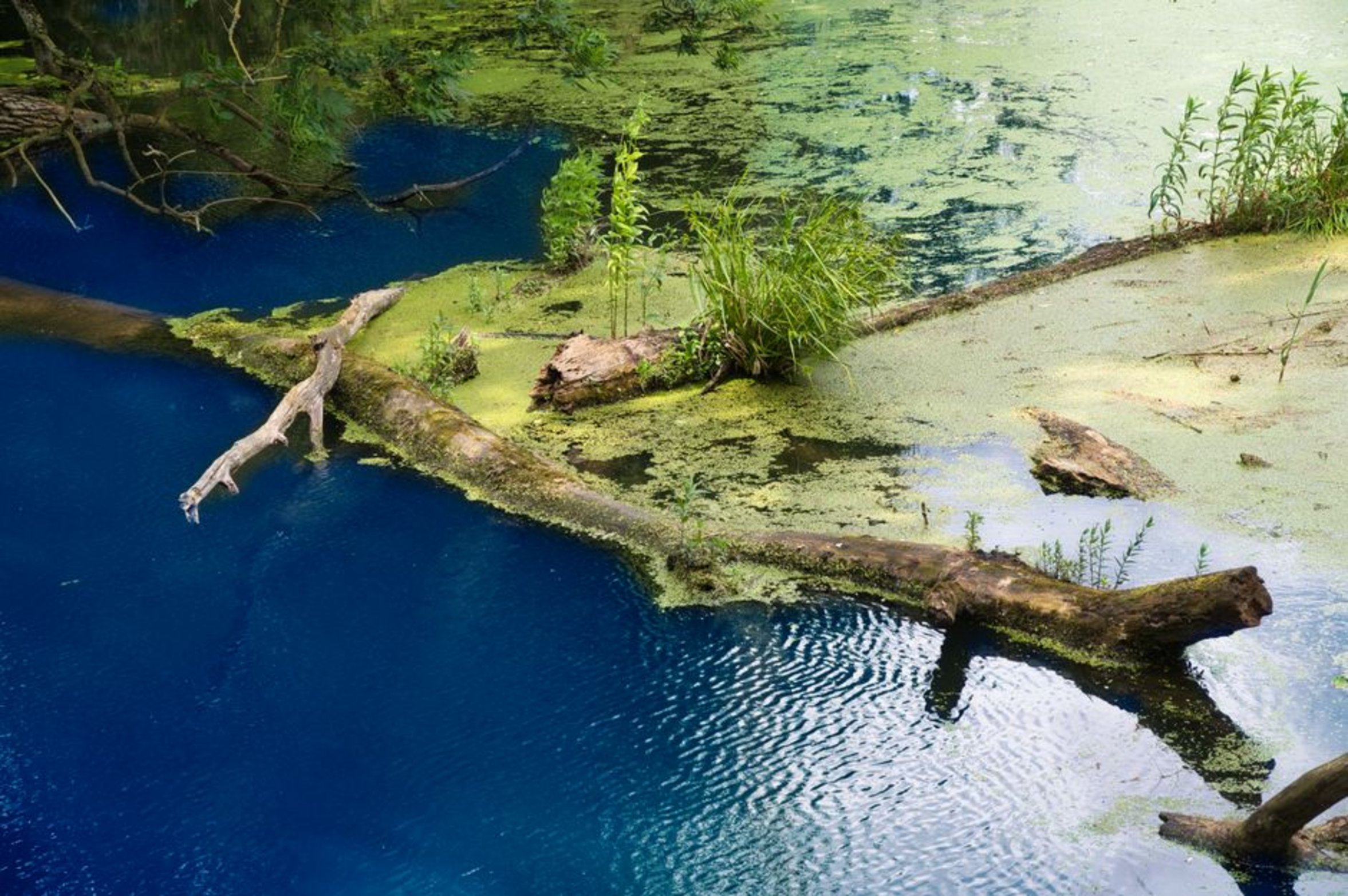
Everyone thinks it’s organic waste or dirt, but that’s really a second issue. The number one issue is normaly nutrient cycling in the water. There is too much phosphorus and nitrogen in there which feeds the microscopic organism.
The Root Cause of Algae Blooms
So if you have plenty of light and plenty of nutrients, you’re going to have this explosion of algae. The only way to stop it is to starve the algae out. That means managing what you’ve got now while not killing your aquatic life.
It’s not a one-and-done deal; it’s a many-sided, patient approach. When pond owners see this immediately they want to reach for an algaecide or some other type of “shock treatment.” While I understand that urge, it’s not advisable. If you kill a huge bloom at once, you’re also going to be killing off those bacteria in bulk and they’ll decomposes at the same time.
The decomposition will require lots of oxygen and could literal suffocate your fish as you’re removing that goop from the water. Before you do anything else, you should of aerate. Adding something like a dedicated air pump, a waterfall or a fountain will add more oxygen in the water while breaking up that top layer where cyanobacteria loves to live.
Immediate Steps to Oxygenate Water
It will also help disperse any good bacteria (those competing for same nutrients) that starve out the bad bacteria. So then what? Well once the water is oxygenated and moving, tackle the problem at its source.
The issue is usually the presence of phosphates (fuel for the fire). These are commonly introduced into an aquarium through runoff from surrounding landscape, uneaten food, or even just fish waste. Phosphate ions is present in the water column.
To help remove them, you could add something like PhosGuard, which will bind with phosphate ions and remove them from the water column. This isn’t a solution to killing existing algae, but rather preventing new algal growth. For best results, combine this chemical solution with mechanical filtration.
Removing Phosphates with Filtration
This helps the bound up phosphates gets stuck in your filter media so they can be easily removed when you clean your media regularily. If your pond is shallow and has heavy afternoon sun exposure, there’s another lever to pull: Light management. Blue-green algae multiplies through photosynthesis, which require light.
Managing Light with Aquatic Plants
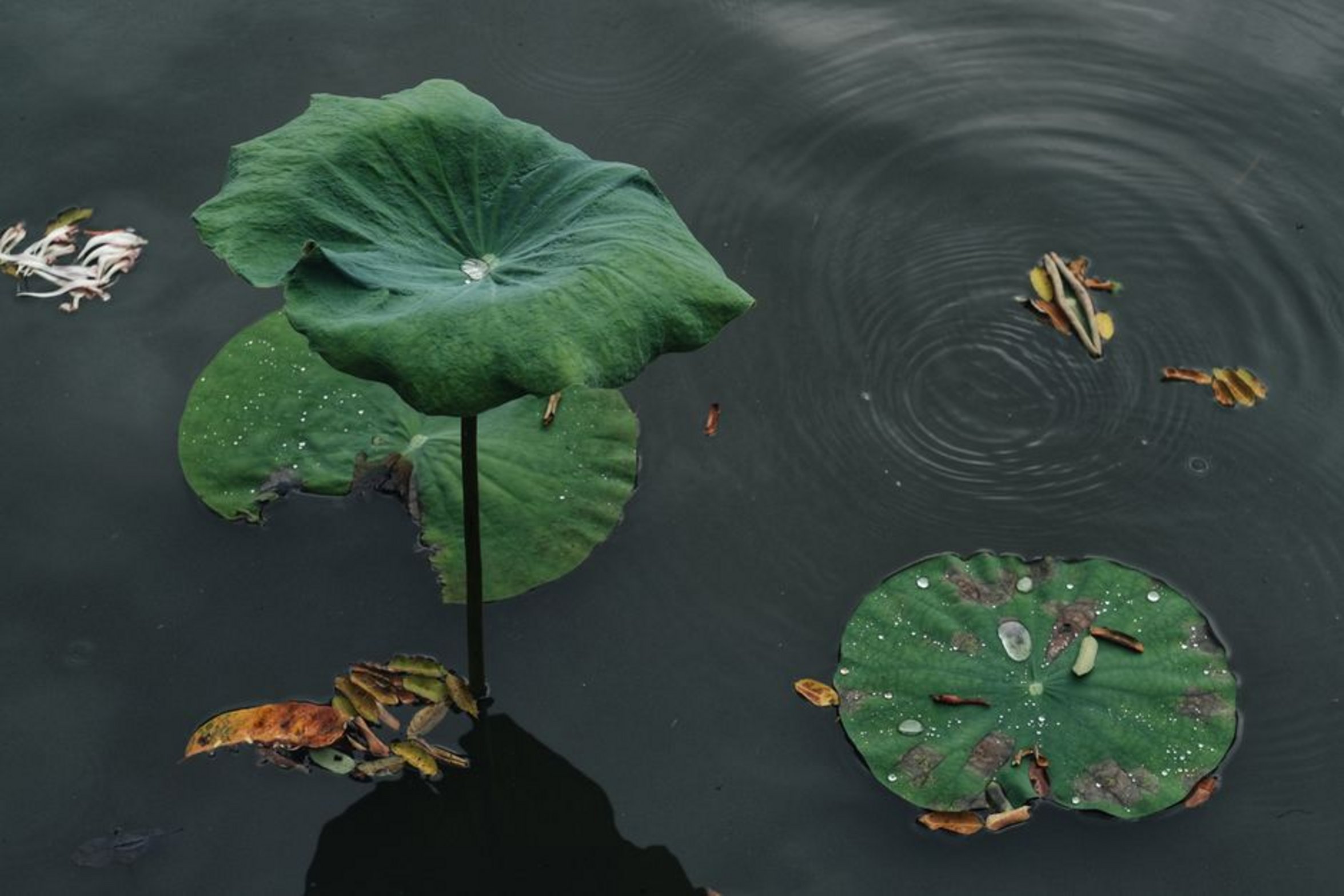
Aquatic plants such as floating lettuce or water lilies shades the water surface, preventing sunlight from reaching the bottom where algae grows. In addition, these plant fight for nutrients, giving you a naturally ally in the battle. Be careful not to overplant; dead plant material will decay and release additional phosphorus.
Starting the cycle again. Regular pruning keeps things in your favor. The key to longevity lies with biological filtration.
Building Biological Filtration
The goal is to have an active colony of helpful bacteria doing their work. They breaks down those harmful ammonia and nitrite levels before they add to the nutrient load. There are products on the market that has *Bacillus* subspecies that will jump start such a colony.
While they cannot beat algae at its own game (organic waste digestion), these beneficial bacteria does remove some of the food source for the bloom. This takes time, but creates a hardy ecosystem. When you get there, it’s like having a biological buffer that reduces your pond’s susceptibility to another outbreak even after a stray fish flake fall into the water.
Prevention and Maintenance Tips
The old saying goes: an ounce of prevention is worth a pound of cure. So yes, keep doing what you do every day. Don’t feed too much because too much food means nutrients.
Check your water parameters on a regular basis so that if something’s out of whack, you can fix it before it becomes obvious in bloom form. To maintain your good bacteria, clean your filter media with pond water but don’t use tap water! Combine biological balance, shading, aeration, and phosphate binding.
This will leave no room for the cyanobacteria. The surface gets clear again, the water cleans itself up, and you’ll have your backyard paradise back; working WITH nature instead of against it.
