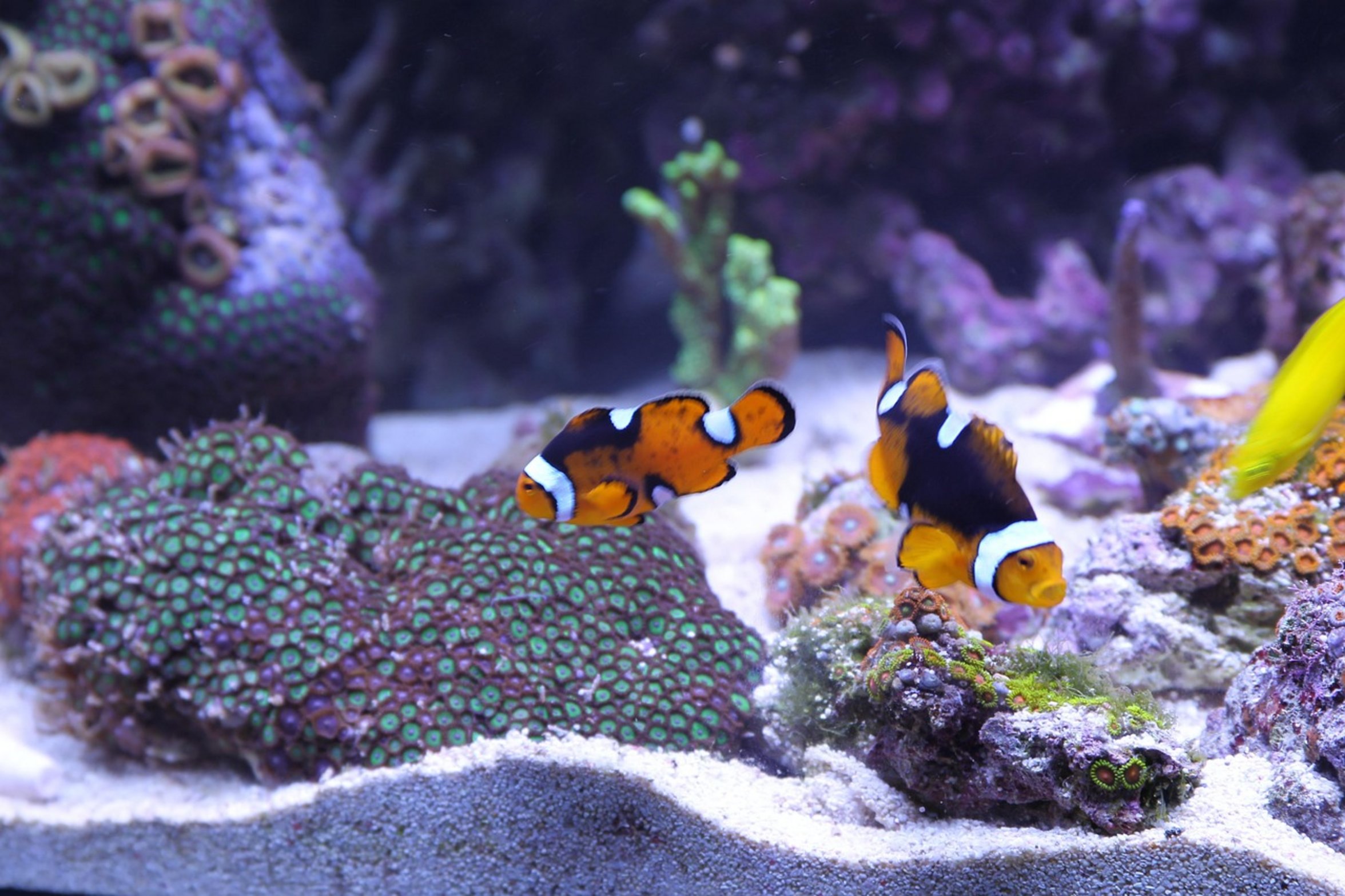
Now you have brought the fish home. And now you watch the little creature dart around, looking confusedy and stressed. It’s stressed out, looking confused.
You know you want to keep it alive and you want to help the poor thing. This step in the process is where most new owner rush things. Immediately they grab the bag and dump fish into their tank.
What happens? Instantly the fish gasp for air. Its instant shock.
Even hardy fish will dies from the stress of such an abrupt change. Remember, acclimation isn’t a suggestion. It’s a biological necessity.
Why? Because fish is adapted to live in certain water chemistry. Their gills requires steady pH levels.
They’re accustomed to correct mineral balance and specific temperatures. When you throw that all in flux with an abrupt change, you break those bonds. Your fish’s body won’t be able to adjust quick enough.
Cells will begin swelling or shrinking. By slowing down, you’ll avoid this. So you start with the sealed bag.
Step By Step Guide To Safe Fish Acclimation
The Danger of Rushing Acclimation
Put it in aquarium but do not open it just yet. You want to let the bag float for fifteen to twenty minutes. That will equalize the temperature.
The water inside the bag will gradualy adapt to the tank water. This prevents thermal shock. Remember that fish are cold-blooded which means their body temperature is the same than their environment.
Sudden spikes or drops can be harmful. Allowing the bag to float lets the water adjust gradualy. The fish has time to detect the change and they remains less stressed.
Why Temperature Equality Matters
When the temperature matches, however, it’s time for you to deal with water quality. Here’s where things can get tricky. Since leaving the store, the water in the bag have changed.
Oxygen level has decreased. Waste from the fish have been produced. Now, you want to mix the bag water with the tank water.
Take a little bit of tank water and open the bag just enough so that some tank water enter the bag. Let it sit for 10 minutes and do this process again a few more times (three or four). Doing this dilutes the old water, introduces the new mineral balance and slowly raises the pH.
The fish will acclimate to the new chemistry in stages. Again, don’t dump the bag water into your tank. That’s toxic water containing ammonia and possibly other chemicals like medications or dyes.
That also contain bacteria from transport that you likely won’t want in your tank. Yes, you want the fish. No, you don’t want their dirty water.
Diluting Water Chemistry Safely
Gently net the fish out of the bag and either put it right into the tank or put it in another bucket. This preserves your tank’s water and protects existing biological filter. Because those filter bacteria is sensitive to abrupt chemical changes, adding the contaminated bag water can cause a crash.
Keeping the bag water out is a wise decision. Certain fish require special attention. Invertebrate owners: shrimps and other inverts don’t breathe air; they absorbs it across their shells.
Dipping them immediately into new water will kill them. Instead, Betta owners often dump the bag water into a bucket and let the fish swim in its own water while adding tank water slowley. Always acclimate shrimp slow because their survival depends on gradual changes.
Bettas (surface breathers) can suffocates if they float too long in the bag. So betta owners frequently skip the float. Instead, they dump the bag water into a bucket and let the fish swim in its own water while slowly adding tank water.
Netting Fish and Protecting the Filter
Now watch. Observe the fish in the first hour. Are there any indications of stress?
A warning sign would of clamped fins. Breathing trouble show as rapid gill movement. Is the fish hiding?
Let it hide. It wants to feel safe. Don’t force-feed it right away.
Its digestive system stays slowed down, and you risk causing rot/bloating if you do. Give it some time (hours), then offer a little bit of food. The fish will sense that things is returning to normal.
Special Care for Invertebrates and Bettas
Patience is a virtue… This also applies when getting a fish used to its new environment. Don’t rush.
Remember that the fish is still vulnerable and has put its trust in you. What’s a gentle touch? Life.
What’s a rushed touch? Death. It might take an extra half hour, but it’ll be worth it.
The fish will be fine, the tank will stabilize, and you gets to keep your new pet for years. Go slow… go strong.
Monitoring Stress and Post-Release Care