
Springtime koi transport can make you anxious. All winter long you stare at your fish sitting inside a warm aquarium. They’re vibrant.
The water is dark. The days are brightening as the sun comes over horizon and the outdoor air gets warmer. That garden pond on the other side of window calls.
The fish aren’t naturaly ready for life outdoors; moving them is a high-stakes biological transition that requires weeks of careful preparation. Why wouldn’t they? It’s only common sense.
But transporting them isn’t as simple as taking apart tank and dumping its contents onto the lawn. It’s about more than biology; it require precision and patience. Stress kills koi.
Their weakened, stressed immune system make them more vulnerable to bacteria and parasites then to bad food or predators. Rushing the transition, going from a steady indoor environment into an ever-changing outdoor ecosystem, can kill them. So make it like a medical procedure, not just a move.
How To Safely Move Koi Fish Outdoors
Timing the Outdoor Transition
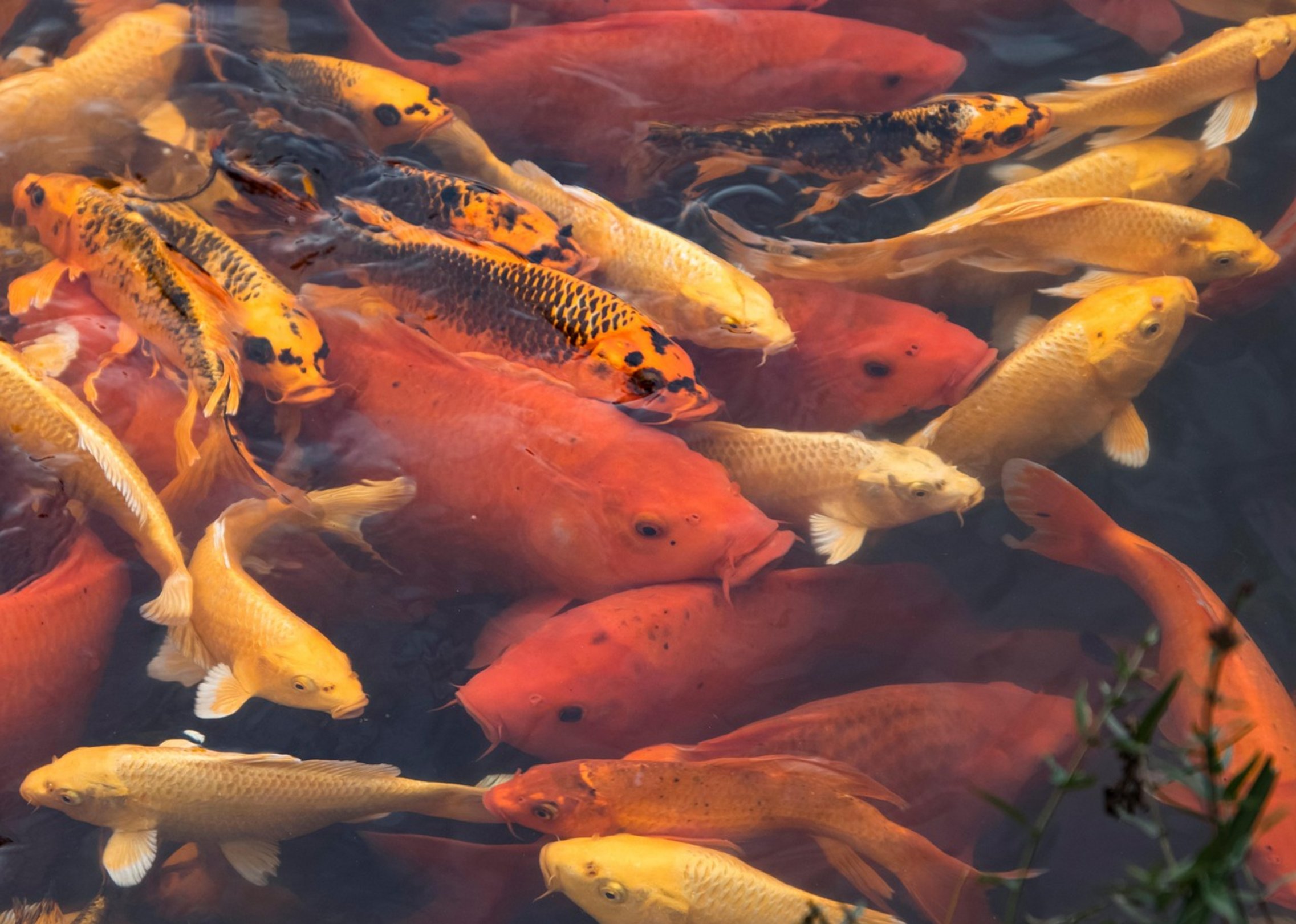
Try to eliminate all variables that will raise their stress hormone (cortisol). First there are no negotiations about timing. Wait until outside air temperature are reliably within five degrees of indoor room temperature.
For most temperate zones this occurs during late spring. Cold shock will kill them even without other stresses, and moving them too soon for any reason risks that cold shock. It may be a warm day with sunshine but at night a freeze occur, dropping the water temperature drastically in the pond.
Inside your tank it remain constant at a stable seventy-five degrees. This stability is what make those fish healthy. They don’t have that same luxury in the pond until you bridge that gap.
Conditioning Fish with Pond Water
The worst mistake that amateur make has to do with conditioning the fish. If you just grab some koi from a tank and plop them into a pond they won’t survive. They has to be adjusted to new water conditions (chemistry).
Weeks before moving the koi outside, top off your indoor tank with pond water. Every other day replace 10% of the tank water with pond water. By doing this, their internal systems adjusts slowly to the new temperature, hardness and pH of outdoor environment.
It’s a slow process. Sometimes it take three or four weeks. That waiting period is what will save their lives.
Safe Transport Handling Techniques
When it comes to the move itself; which should of been a calm and efficient affair on actual day, use large, clean buckets specifically made for transporting fish. Do not use nets because they may scratch away there slime coat. Their slime coat is their best form of protection against infection.
Gently handle the fish with your hands wet or covered by soft gloves. Submerge them into buckets containing a mixture of pond water and tank water. Drape a cover over buckets to exclude light.
Visual stimulation are a stressor. Maintain an even temperature throughout the trip. Plan to have someone help you.
Keep it out of the water for as little time as possible. Seconds count. When you get them in the pond, don’t release them right away.
Acclimating Buckets in the Pond
First, float the buckets covered with a bucket lid in the pond for at least half an hour so the temps will equalize. Next, slowly mix pond water into the buckets over the next hour. This last step is called acclimating.
It’s best to avoid any osmotic shock. They’re used to certain salinities and suddenness of a new water density can tear up their gills. Once that’s done, carefully move each one from its bucket and into the pond.
Don’t chase them; just let them go and find somewhere to hide. First couple of weeks are crucial. Don’t mess with them, but keep an eye on them.
Post-Move Care and Feeding
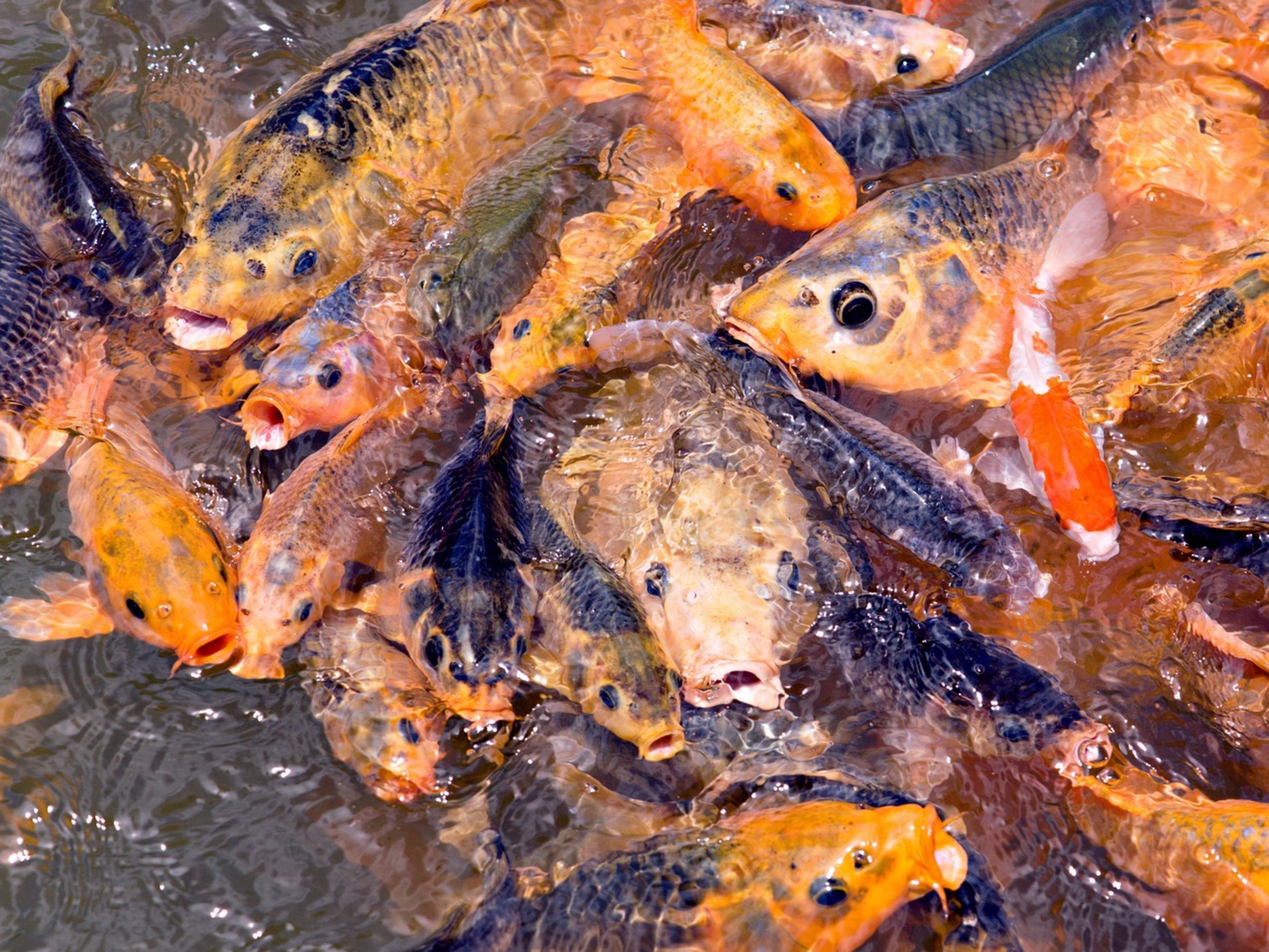
Feed lightly. Fish don’t digest well when placed into a new environment. Too much food can result in fouling up the water and subsequent ammonia spikes.
Watch for any signs of distress, such as being tired, flashing on the surface, or gasping. Treat them gently if you notice something wrong. Salt bath might be helpful to ease some stress and combat potential parasites.
Continue running the filtration but turn down the flow if that generates too much current. Let them rest. Getting them there safely depends more off how prepared they are for the trip then on how I move them.
How well you prepare to swap out water weeks in advance determine if it’s going to work or not. Patience to let nature run its course as temperatures allow, determines how well things go. Handling them gently to keep their protective coating help determine how they respond and come out of hiding.
If done correctly, they’ll be even healthier and more vibrant than prior to moving them. You must treat their transition with respect and give them time to adjust and the space they’ve always deserved. Your patience today pays off later with healthy, beautifull fish for years to come.
