
Koi is living organism. They has complex digestive systems that responds directly to changes in water temperature. Koi metabolism slows as water cool and speeds up as water warms.
That means don’t treat your koi like tropical fish and feed them on any kind of regular schedule, it’s a recipe for disaster. If you feed them without regard for their internal clock, you will waste food. This cause poor water quality.
These problem will ultimate lead to health issue. Feed to support color development and immune function; feed to the fish’s internal clock, not just to fill their bellies. Many first time pond owner feed when the fish beg them to.
Instead, feed when the fish can digests what you feed them. The following explain how to adjust seasonally to keep your koi healthy.
Seasonal Feeding Guide For Healthy Koi
Spring Feeding Guide for Koi
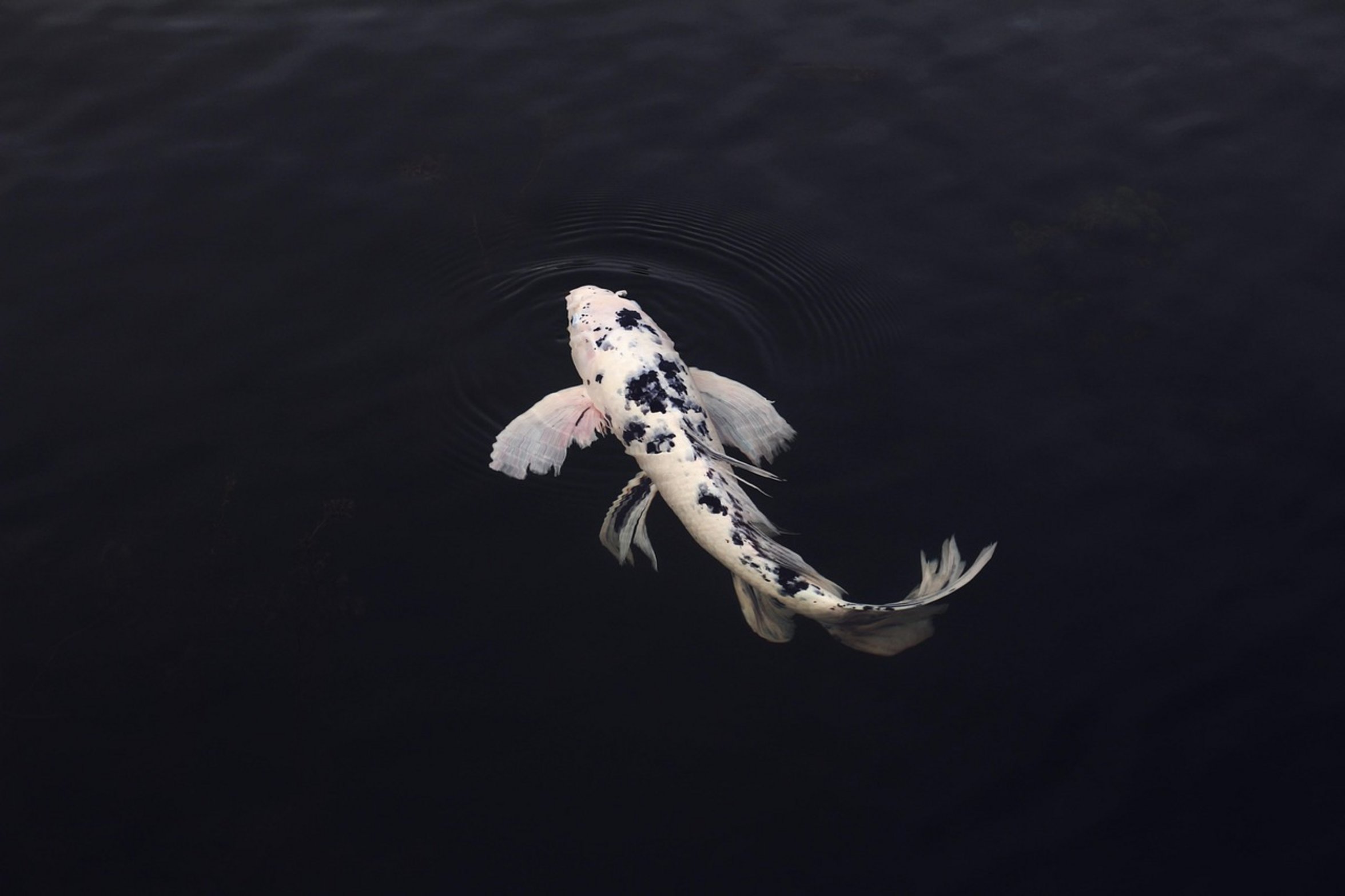
When the water temperature hit more than fifty degrees Fahrenheit in the springtime, the koi will start begging for food.
Your first instinct might be to go ahead and feed them, but hold on! Their digestive enzymes has not yet fully woken up. Start feeding a high fiber and low protein springtime diet.
There is special spring foods offered by companies like Ocean Nutrition and Hikari that is formulated just for this purpose. Also, these include probiotics which jump start their gut bacteria without being to much for the system. Think of it as a gentle restart, not a full-on meal.
Summer Diet and Heat Management
As water gets into the sixty-five degree range, you can transition to a summer or growth type diet. This is the bulk of eating period since the koi require significant protein to support growth and tissue repair. Look for feeds containing forty to fifty percent protein like Hikari Gold or Hikari Koi Gourmet.
Feed in smaller, frequent meal, don’t overfeed, as that will cloud your water and spike ammonia level. Use specific seasonal formula from brands like Hikari or Ocean Nutrition… These specialized diet support color development and promote muscle growth.
When it gets hot in summer, digestion are more difficult for the fish and there is less oxygen in the water. The fish may look like they want to be fed, but realy they don’t. Unless you have a big pond with good filtration, I would of feed less regularly.
Watch your koi carefully, and if they start gasping on top of the water, or are otherwise lethargic, stop feeding them right away. Heat waves aren’t good, and a brief break while temperatures soar will benefit the fish. Short fasts is easier for their body to deal with than spoiling food in warm water.
Fall Preparation for Winter
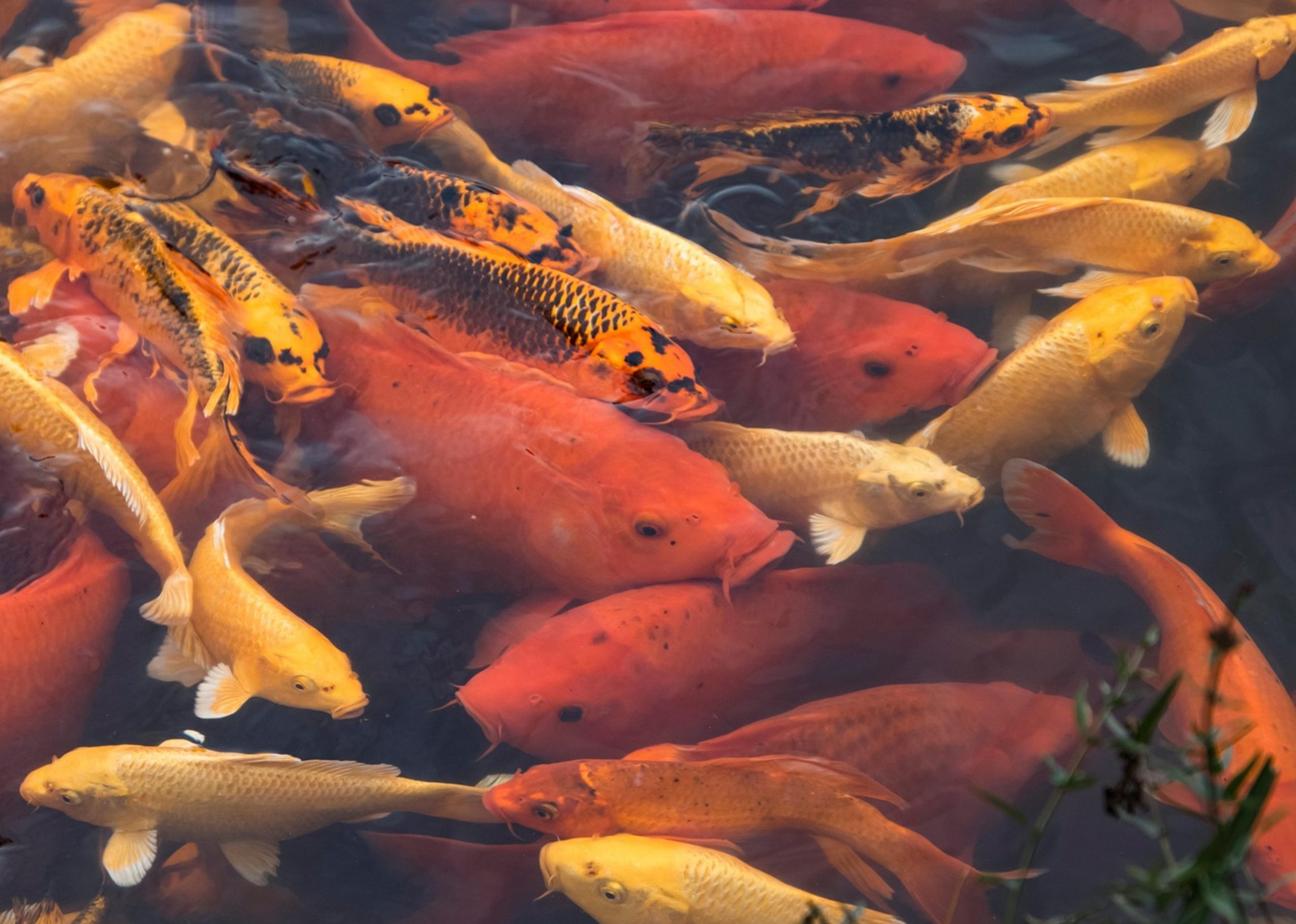
Fall is pre-winter prep. At sixties or below, change diets to a high fiber/low-protein feed such as Ocean Nutrition Formula One Ag Pro or Hikari Koi Grow. Why?
Digestion require less energy when water temps cool, and these feeds is also more easily digested. You want fish to pack on the fat for winter while not having an overstuffed intestine full of undigestible food. This result in winter health problems from undigested protein that bloat and cause swim bladder disorder.
Winter Feeding Rules
Fall feeding set up winter health. Feeding amounts in winter depend off the climate. If you’re in an area where temperatures drop into the 40’s or your pond freezes over, stop all feeding entirely.
Koi go into a sleepy state and don’t require calories, and even worse, any food offered will simply rot inside their tract. If you have a mild climate with water temps above 50 degrees, occasional small amounts of winter food are OK. Something like a high vitamin, low protein winter diet (like what Hikari provides) can be used as a maintenance snack.
Never ever force feed, and never force feed if the koi aren’t active, let them fast if they so desire. Winter is about survival. Respect the fish’s biology when it comes to seasonal feeding.
Don’t just look at water on top of your tank but also consider temperature by looking at thermometer. Matching your feeding schedule to nature’s cycles reward you with healthier koi. Their energy level and color tell the tale.
It’s such an easy thing to do that it makes a big difference over time.
