
The wide grin and pinky gills make an axolotl distinctive looking, but they’re still predators. Maybe you like how a mixed tank will look, colorful, dynamic, etc… Biology doesn’t naturaly follow aesthetics, though. Keeping them together come down to safety, water quality, and behavioral compatibility.
An axolotl is a salamander with special requirements, and fish are another class of animal altogether. When you combine them, you need to understand what kind of pressure one exert on the other. Often that results in one tipping the scales in favor of keeping things apart.
Can Axolotls Safely Live With Fish
Predatory Instincts and Tank Mates
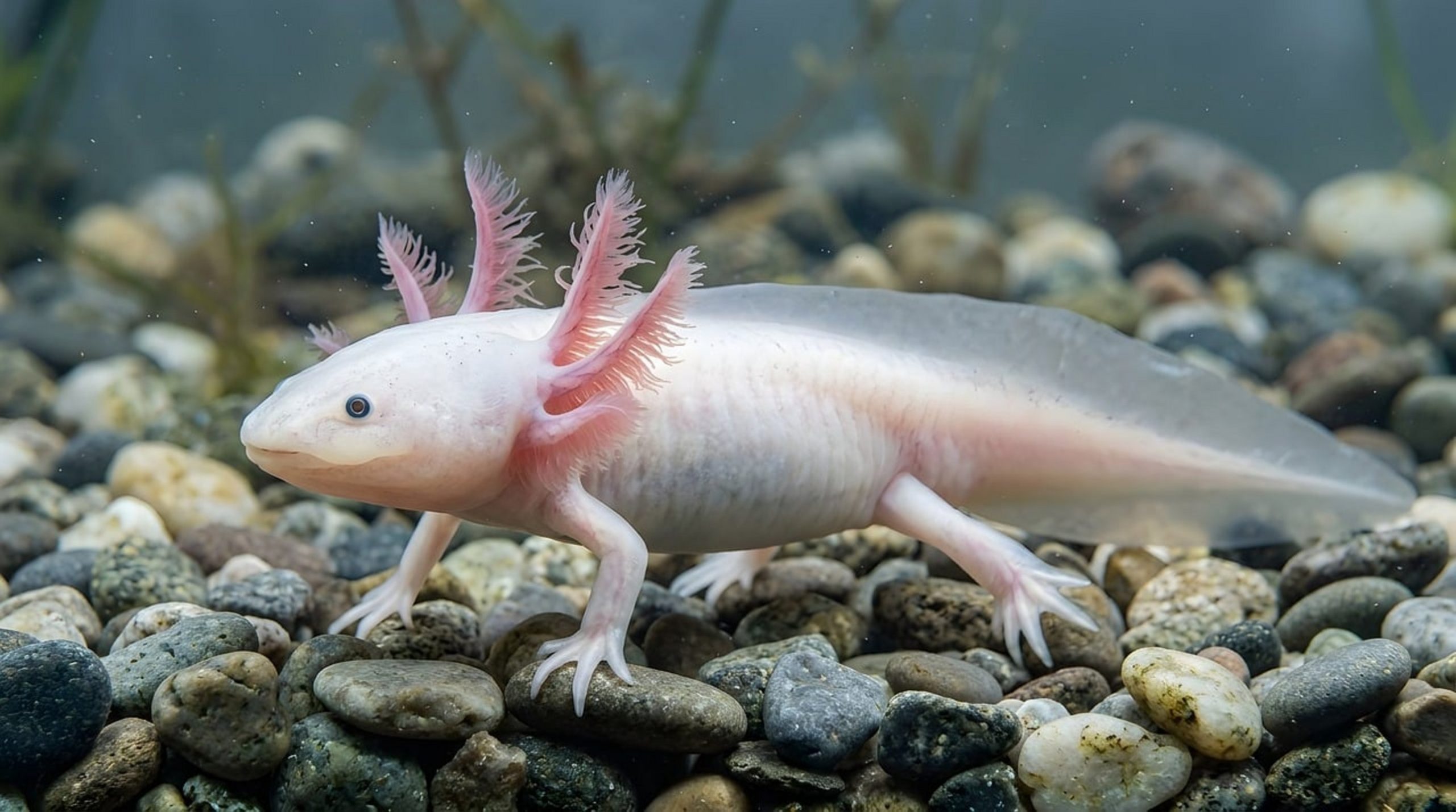
The second thing to overcome is predatory instinct. Axolotls is opportunists. They don’t actively chase down food.
They will suck it in. That’s why an axolotl isn’t a great option for a community tank; small food items (like guppies, tetras) that move around freely becomes easy snacks. Even when not hungry, the instinct to grab at things that go by quickly can gets triggered.
Many times, you’ll have some days without any issues…but it never goes away. Most people fails to account for this. Another area of contention is water quality.
Water Quality and Temperature Requirements
Most tropical fish, however, prefer warmer conditions. The axolotl likes cooler water (sixty to sixty-four degrees Fahrenheit). While goldfish will live in cooler water, they’re a mess and their waste break down water quality quickly.
Since the axolotl has very permeable gills and a very sensitive skin, it absorbs toxins right out of the water. High levels of ammonia can kills an axolotl or do severe damage to its gills. So all of the maintenance burden fall on you.
Aggressive Fish and Physical Safety
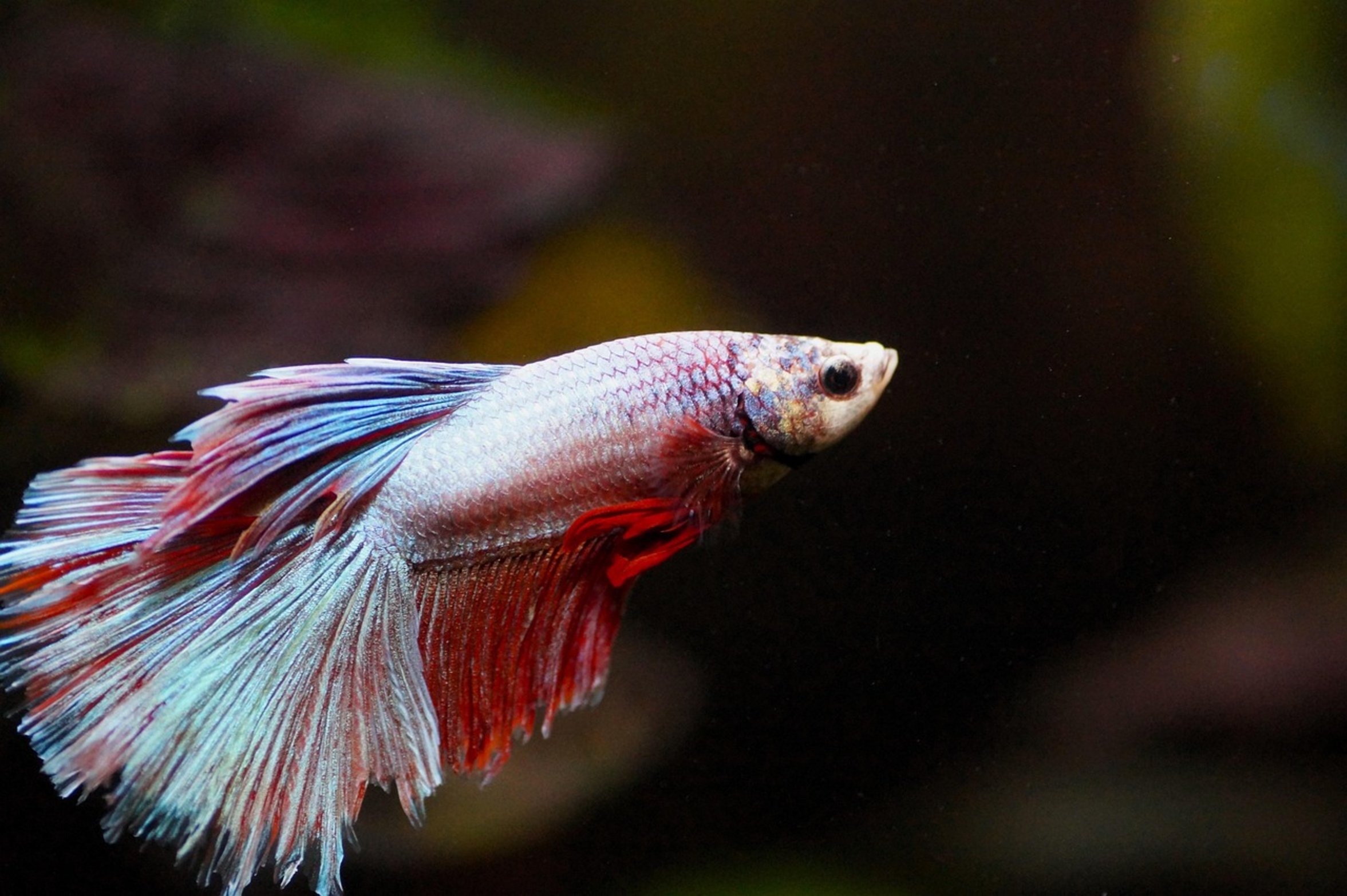
As much as physical protection of the axolotl matter, so does its safety from other inhabitants. While there are plenty of docile aquarium species, there are many that is not. Cichlids, gouramis, bettas… you name it, and most has nasty nipping habits or spiny fins.
Remember: An axolotl is covered with soft tissue. One bite will rip off a gill filament. That’s painful to the axolotl and creates an opening for possible secondary infections.
Without any means of defending itself, the axolotl is helpless. You’re putting something vulnerable in harm’s way. Instinctual neighbors can hurts it.
Stress and Bullying Risks
Many people misunderstand size compatibility. Just because something won’t fit in mouth doesn’t mean it’s safe. Angelfish and other large cichlid can bully an axolotl and make him hide.
Stress from hiding suppresses his immune system, and an axolotl will decline if he cannot eat. Instead of having a habitat you have a tank where there is conflict. You spend less time admiring your animals and more time controlling their behavior.
The Case for Single Species Tanks
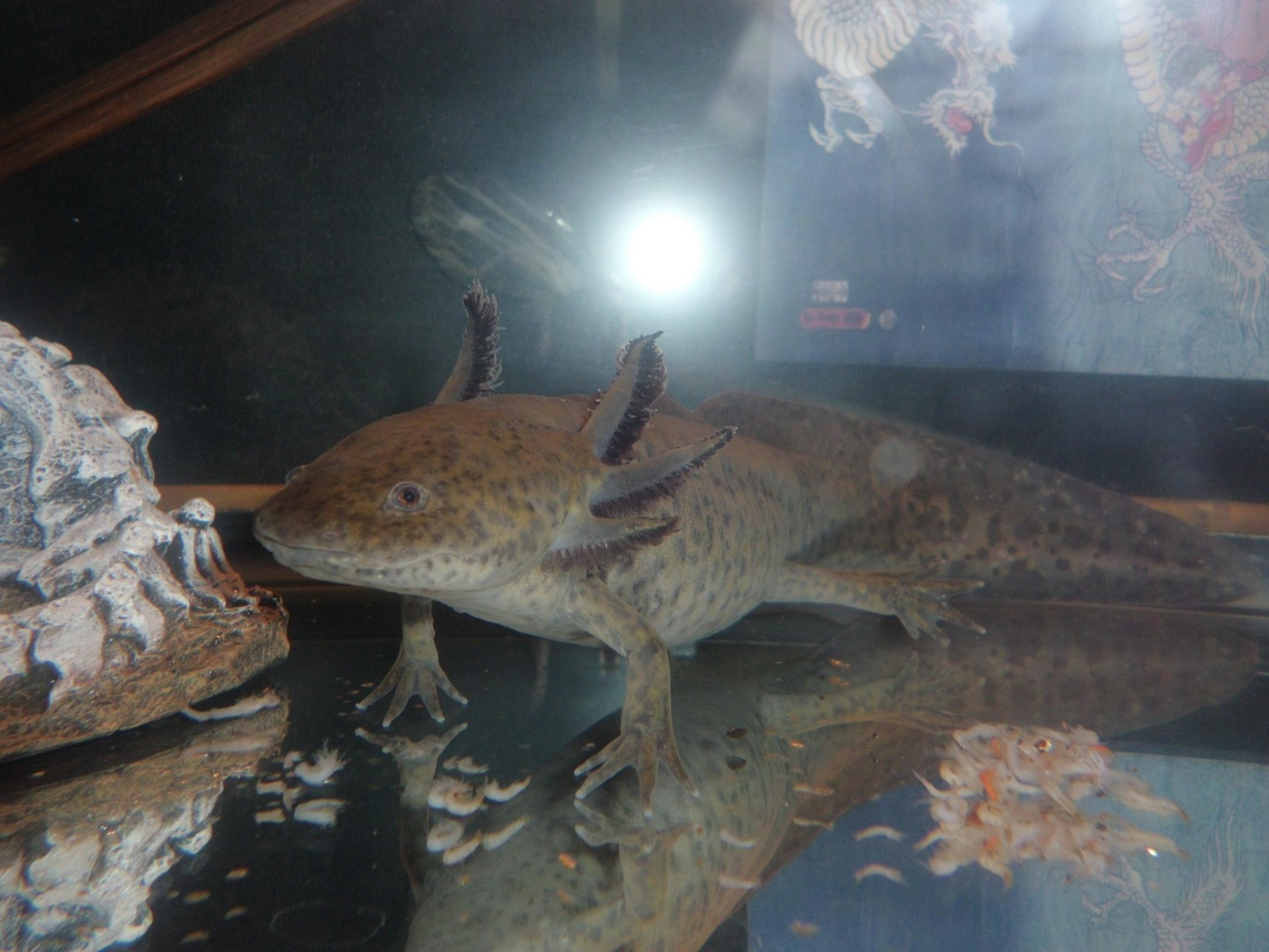
Occasionally there are exceptions to this rule, but it takes an experienced hand. You might have an owner that keep axolotls in a tank with larger, non-aggressive fish such as some types of catfish. That is possible provided you have a really big tank (lots of water) and high efficiency filtration.
There’s also the need for regular attention. The reality is that maintaining two different biological loads simply isn’t worth the hassle for most keepers. A single species tank become a headache compared to one loaded with two different sets of requirements.
Simplicity is often the best solution. House your axolotl by himself or with other axolotls of comparable sizes. You’ll get to witness its curious behavior while avoiding the risk of torn gill and lost meals.
It’s not a battlefield; it’s a tank, a sanctuary. And peace of mind is priceless. After all, what good is a crowded show if you’re risking your pet’s health?
Last but never least: let the axolotl stand out as the star it was meant to be. You should of thought about this more. It is actualy moddern and luxurius to have one.
Most people thinks they can manage it, then they find out how hard it is. They would of liked a single species tank more. Axolotls stays in water base off their needs.
This is different than most fish.
