
If you’re not familiar with axolotls, they’re amphibians that are famous for being internet pets because of how cute they look. They look like mythical creature. And they grow up looking like underwater ferny things with gills outside there bodies.
In addition to that, they is considered neotenous, or retain some larval traits throughout their lifetimes. That makes them adorable to look at, but it also means they require special care. If you want one, you want to make sure you’ll be able to provide for its needs.
One way to know that is by knowing how long they live. The longer, the better… Captive vs wild lifespan is dependent on several factors including environment, diet, and stress levels. An axolotl in the wild will have to deal with competition, drought, and of course, predators.
A captive axolotl’s biggest threats comes from improper care, boredom, and poor water quality in a aquarium setting. It may seem that being in captivity means it lives longer since it doesn’t have any predators. But a healthy wild axolotl living in good conditions could potentially live for years whereas your poorly kept pet might die within months.
So you need to know why the difference exist in either scenario. This is the wild reality. Axolotls has a rough life in the wild, though, especially in and around Mexico’s Lake Xochimilco, where they are native.
How Long Axolotls Live In The Wild And In Captivity
Wild Lifespan and Threats
Urbanization and introduced species (i.e., carp, tilapia) threaten their wild population. Those that make it past predators like herons and other large fish might live a long time if they reach adulthood. In the wild, axolotls may live up to 10 years.
Of course, most never make it to that ripe old age. In fact, considering the shrinking habitat, a decade in the wild is a pretty good lifespan for any amphibian. Each additional year of survival is a victory for such a threatened population, given how strained the ecosystem is at this point.
Knowing all this helps you understand how resilient they are in the wild, provided there’s adequate habitat.
Longevity in Captivity
**Longevity in Captivity That’s all different when it comes to a home aquarium. With proper care, an axolotl will live anywhere between 15-20 years.
While not as common, some owners has reported their axolotl lived into their midtwenties. Why? This is because they are fed regularly and do not have any natural predators.
In a tank setting, you’re controlling the variables. You determine how clean the water is, what kind of food your axolotl eats, and what temperature the water should be. If you do those things right, then the axolotl flourishes.
It no longer has to fight for its life and can simply live. This is where it becomes completely the keeper’s responsibility.
The Role of Water Quality
**The Role of Water Quality The most important part of keeping your axolotls healthy is the water.
Stress shortens an axolotl’s life; spikes in ammonia or nitrate can cause that stress. An axolotl is very sensitive to water conditions. If you want them to live long, you need to keep their water clean.
What does “clean” mean? It means that filtration must do the heavy lifting in a small tank. Filtration does most of the work in a small tank.
Water pollution can result in poor immunity and damaged gills. This is something beginners often neglect, they spend more time decorating than thinking about water chemistry. Keeping your water clean isn’t only about clarity.
It’s also about biological stability. Stable water parameters eliminate all the factors that decrease an axolotl’s potential lifespan.
Diet and Nutrition
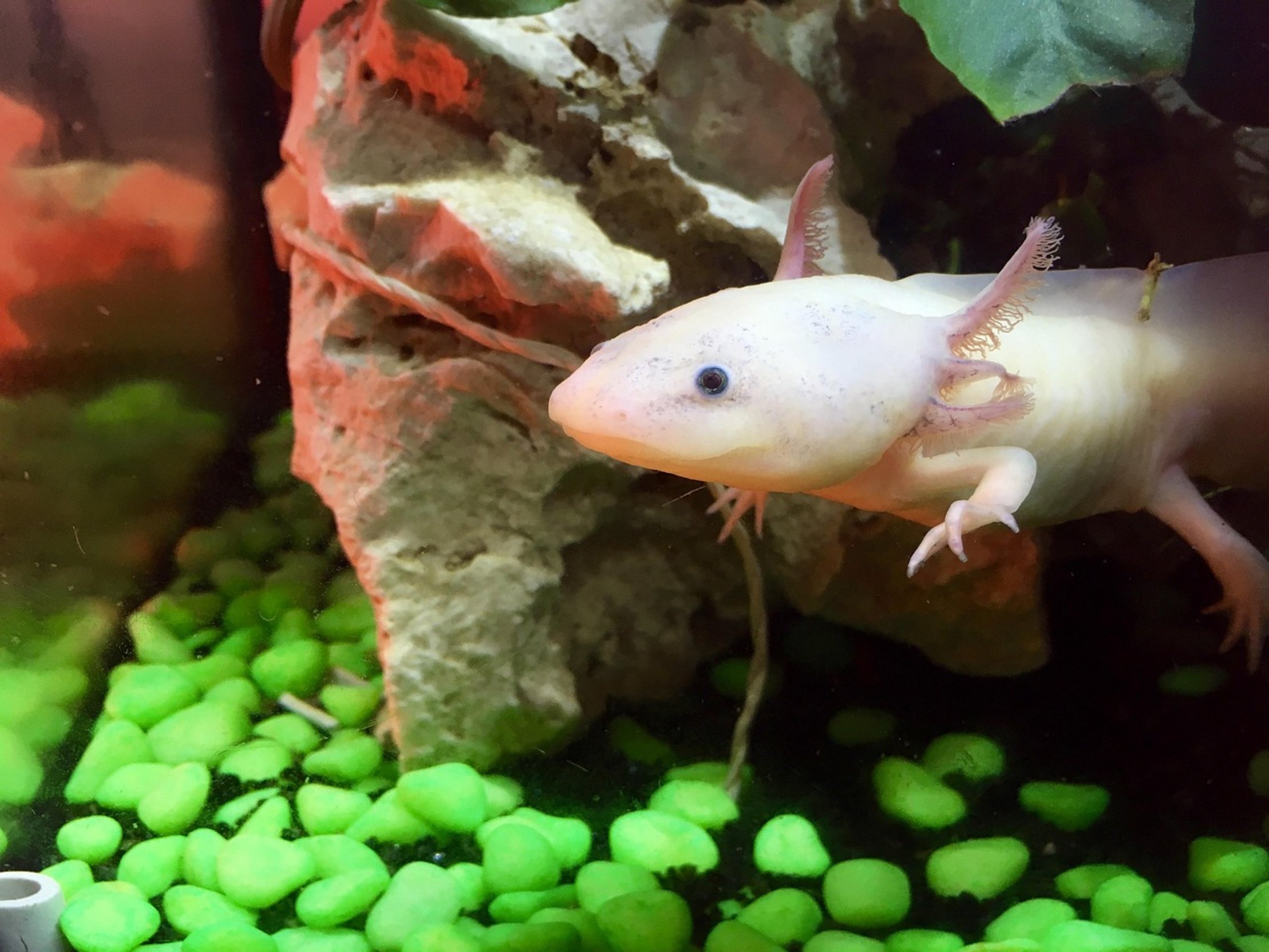
Diet and nutrition.
**Diet, What you feed your axolotl will impact its lifespan too. In nature, wild axolotls consume small crustaceans, worms, and insects. For captive axolotls, they should of be fed a balanced diet consisting of a good quality pellet, live bloodworms, and some other live foods occasionally.
This keeps them from becoming nutritionally deficient. Don’t overfeed, Obesity can cause all sorts of problems for your axie including water fouling. Don’t underfeed either, this will stunt growth and suppress the immune system.
You’ll need to observe and determine the proper feeding schedule yourself. Observe their appetite and tailor the food quantity. Active movement and bright colored gills shows a healthy internal system; ie: They’re being fed properly and not stressed out.
Environment and Stress
Environment and stress. One other major threat to captive animals is stress. Because they’re bottom dwellers who like to hang out in the shadows, axolotls needs lots of places to hide.
They don’t like bright light and tend to be intimidated by more aggressive tank mates. The high levels of stress hormones caused by all of this reduce their immune response. Over time.
In nature, axolotls spend much of their time hiding in mud and vegetation. Give your axie the same kind of cover in the tank. If you don’t, axies will live in a constant state of mild panic which will make them age faster.
It’s a hidden tradeoff. To get the tank to serve as a substitute for the lake means giving up some tank space in exchange for recreating the sense of security axies have in the wild. But you only do so if you create a sense of comfort.
The Keeper’s Pledge
This is The Keeper’s Pledge. The bottom line is that the life expectancy difference between captive and wild axolotls represent human responsibility. Nature determines survivors in the wild.
You determine survivors in captivity. Caring for an axolotl is a decade-long commitment, not a passing novelty. Provide them with appropriate environment, diet, and water and you stand a good chance at bringing them to their biological potential.
Years from now they’ll have healthy gills, thanks to you. It’s a long term project, but if you respect the animal it’s worthwhile.
