
Today, though, the axolotl is an internet icon. People who’ve never seen (or touched) aquarium use it as their profile picture. They buy plush toys featuring it and put it on their phone case.
They look like they’re smiling forever, frozen in a pose of perpetuity; big, dark eyes staring out from underneath feathery pink gills, judging you and your life choices. No wonder it’s so easy to scroll through all those images and think: “Keeping one of these must be as easy as getting out a toy and filling up a bowl. Most people who has made this costly mistake assume the same thing.
But its not true. You’re comparing what you see on the internet with curated photos. What you don’t realize is that an axolotl isn’t some kind of low maintenance pond decoration.
It’s a complex creature with specific environmental needs. If these aren’t met, the axolotl could becomes stressed, diseased, or even die sooner. Knowing the difference between what you think and truth is first step to determine whether you are actualy prepared to commit to this responsibility.
Why Axolotls Need Experienced Owners
Tank Size and Setup Requirements
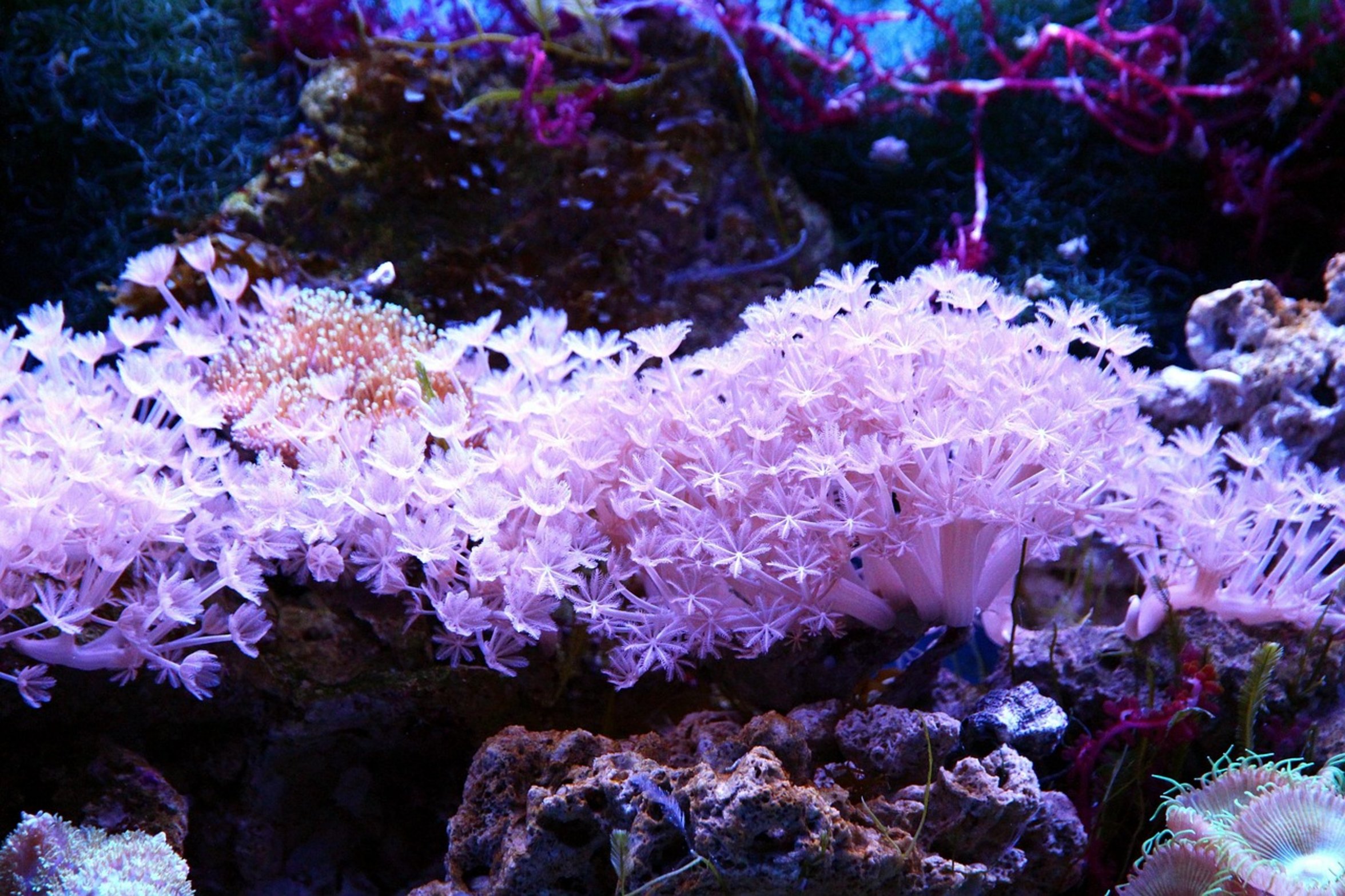
Housing size/complexity is the greatest misconception. New keepers envision a 10g round tank (or some other small tank) with a few pieces of plastic plants and maybe some smooth stones. For one individual axolotl, minimum tank size should be twenty gallons.
It must be bare bottom with no substrate. This means there should be no rocks, as smooth ones is choking hazards. Only sand should be on the floor because they may eats substrate, which can cause impaction.
Plastic plants are fine. Live plants should be selected carefuly because most available aquarium plant are either consumed or ripped out by their foraging activities. A clean tank is essential.
Filtration and Water Quality
While I mentioned that filters aren’t optional, water quality is not optional either. It’s survival. Because axolotls has sensitive gills and skin, they are notorious for getting burned by nitrate/ammonia spikes in the water.
What does this mean? Don’t count on just a filter to do job. Get a solid sponge filter (or a high-quality canister filter) sized for a tank much bigger then your own.
Your goal is gentle but good biological filtration without creating such a current that they gets tired out before eating. They’re bad swimmers.
Temperature Control Needs
What shocks folks about these guys is temperature. They come from Mexico’s Xochimilco canal system, which is a series of cold clear lakes. Their ideal environment is water between sixty and sixty-four degrees Fahrenheit. Typically room temperature is too warm.
In most homes they need some type of special cooling equipment, whether it’s a fan setup over the tank surface with careful management or an aquarium chiller. If not cooled, their life span will greatly shorten. Their metabolism quickens, and their immune system become weakened.
Feeding and Diet Balance
It’s surprisingly difficult to feed them. They’ll take just about anything you give them, but they must be fed a balanced diet. Axolotls rely on bloodworms as part of their diet.
But if all they ever get are blood worms, they’re not getting the necessary vitamins. I feed them special axolotl pellets in addition to bloodworms and either brine shrimp or daphnia. Overfeeding can quickly foul water.
Not feeding enough results in stunted growth. Observing their bellies helps. If it’s a bit rounded then they had a good meal.
If it’s bloated then you overfed them. If it’s flat, they want food.
Social Behavior and Housing
And lastly, you’ve got that social aspect. Axolotls are loners. Putting more than one in a tank generally result in death of the little ones, who get eaten by the bigger ones, or the bigger ones whose gills gets torn off. That’s no good if your family wants to have an axolotl project, because every kid probably want their own.
Each should have his/her own tank. This immediately increases the cost and maintenance of tanks and equipment by two or three times. This significantly increases the up-front cost beyond what was expected.
No doubt, these are fascinating animals. However, they’re also not starter pets. A starter pet can handle changes in its care, such as feeding schedule and temperature, or even some mistakes in water testing.
The axolotl doesn’t. It requires precision, it requires consistency, it requires learning a bit of chemistry. They’re rewarding companions if you’re willing to put forth the effort to maintain them and do your homework on their care.
If you want something that’s easy, look somewhere else. Don’t let the smiley face on the sticker fool you. You should of known this.
