
When most of us start keeping fish, we stick with the norm; tropical fish. You grab a 20 gallon, plop some neon tetras inside and add a single betta. Everything’s cool.
You have an easy setup with enough room for things to settle down while the water cycle creates its own ecosystem. Nothing wrong with starting out like this. But if you’re looking for something that will turn your hobby on its ear then there’s something very exciting about housing species that won’t be content to remain small.
These are creature who want space, and they want presence. Meet the giant gourami… A fish that redefines what an aquarium can do for you.
Why Giant Gouramis Need A Large Pond
Why Giant Gouramis Need More Space
So many people want to know how big is too big? Can I put one of these giant gouramis in my home aquarium? Technically, yes.
If you’ve got a five hundred gallon aquarium sitting in your living room. In reality? Not a chance in hell.
Nope, it’s not that they won’t physically fit into a bowl. It’s that they’re too big for anything but natural environment, and even then, much bigger then what most would consider “natural. For one thing, knowing how big the giant gourami gets should help you understand what they are thinking when you tell them your tank is their home.
Maximum Size and Growth Stunting
They grows up to thirty inches long in the wild (and are often closer to twenty inches as adults in captivity). That’s not small. That’s a loaf-of-bread-sized fish whose body is as deep as it is long.
If your fish stops growing, then you don’t have a very large fish; you have a stunted one. A stunted fish is a failure to thrive. It means bad water and chronic stress.
Neither of these are a good thing. You might be able to keep it alive, but you should of give it more space to swim around. It need more than just some space to survive.
Physical Shape and Tank Geometry
But size isn’t everything, it’s also about the form. The disc-shaped, deep-bodied giant gourami is adapted to maneuver through dense vegetation rather then dart across open water. When kept in a typical rectangular tank, the shallow water prevents the fish from getting into comfortable positions.
It can’t duck. And it can’t twist or turn. A pond gives them space (both up/down and side-to-side) to do what they want to do.
By having the water column available, they is able to go up to breathe and down to rest, which copies the natural gradients found where these species originated in Southeast Asia.
Dietary Needs and Water Filtration
They also require an environment that differ from what you might provide for most house tanks. Omnivorous giant gouramis has quite a hearty appetite.
Yes, they’ll happily consume commercial pellets. But they’re also opportunistic carnivores; they enjoy insects, live food, and even small shrimp or other feeder fish. Feeding a large, omnivorous species in such a manner quickly results in cloudy water in a closed system.
Maintaining biofiltration sufficient to support a 30+ inch gourami is huge. A pond filters wastes over a much greater surface area where microbes breaks down wastes and plants take up nutrients naturaly, resulting in clearer water with less mechanical intervention.
Compatibility with Pond Fish
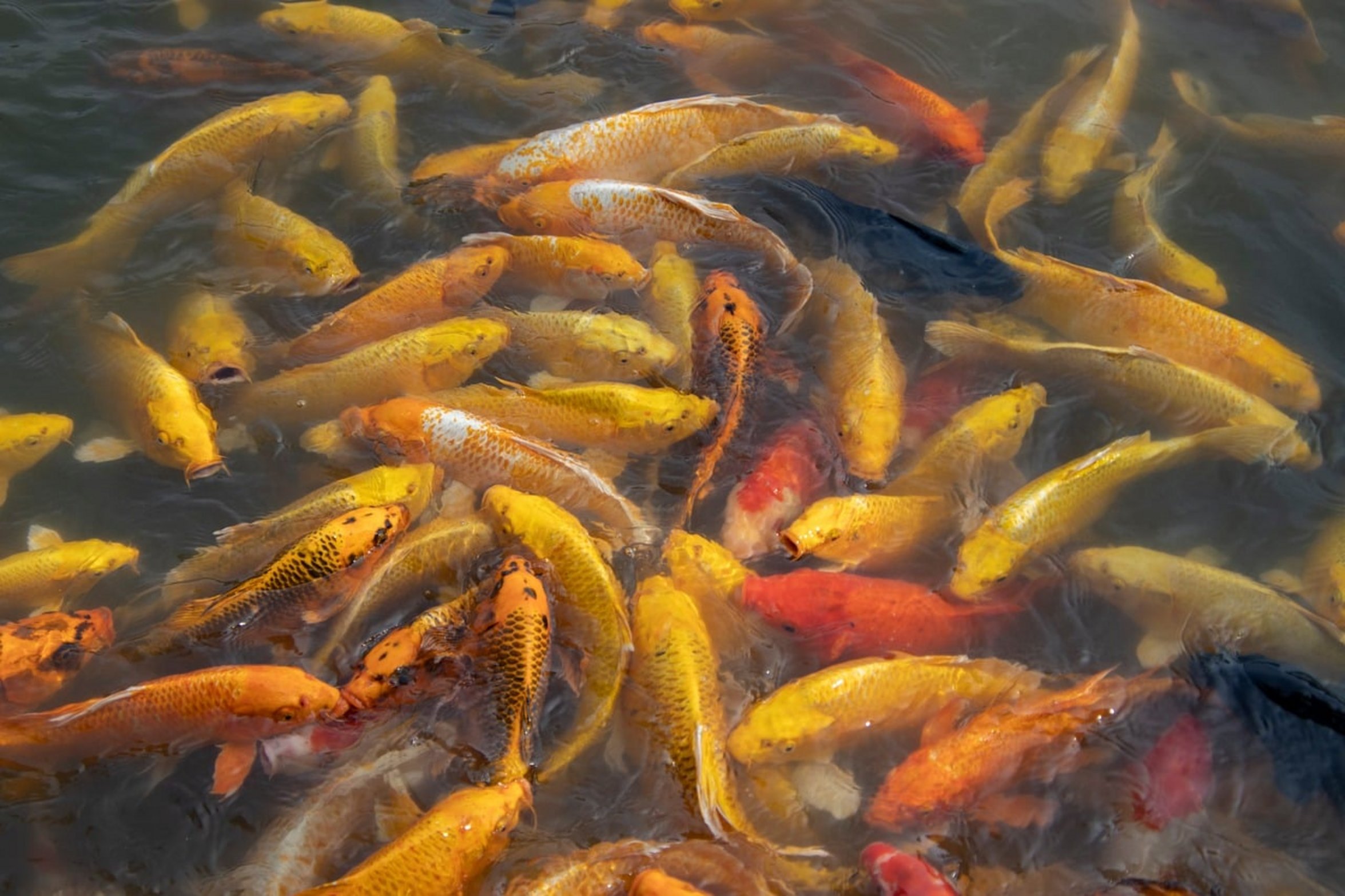
Will they eat your other pond fish?
Will they take out your koi? Probably not, although it’s a legitimate fear. Giant gouramis aren’t shark-like aggressive predators.
They’re opportunists. If you have really large goldfish or some koi in your pond that swim fast, chances are they will likely be ignored. The giant gourami is slow and methodical.
It feed on prey that moves slowly or stays still. In fact, most people who have kept giant gouramis tell me they get realy tame because they learn to recognize their keeper as the one who brings them food. You’ll find one begging for food up at the surface, and it’s more of a charming sight than a fearsome one.
Visual Beauty and Natural Behavior
A giant gourami’s presence in a pond cannot be overlooked, not just because of its size but also due to its beauty. Its beautiful silver-blue or greenish-brown coloring shimmers with the light, and its red fins adds to this shimmering effect. A portion of that beauty can be seen in a small tank.
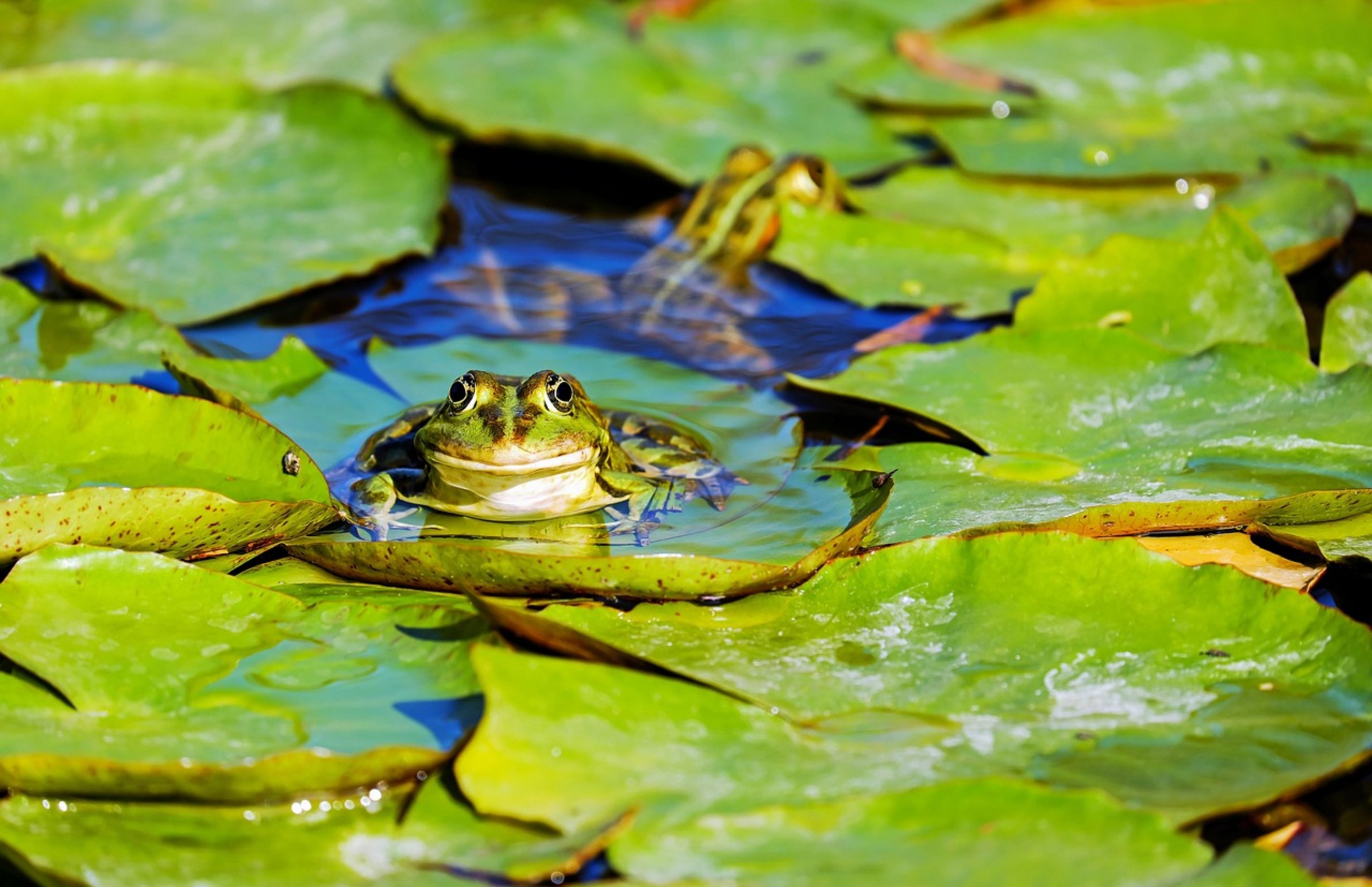
When in a pond, you get to witness their whole range of grace. The way they move across the water among duckweed and lily pads is graceful; there isn’t always space to display such grace in an aquarium. Watching one interacting with its surroundings brings a certain calmness that is absent from most cluttered tanks.
The Commitment of Pond Ownership
But if you keep a giant gourami, you have made a commitment. It is a commitment of space, but also a commitment to respecting the creature it has become. You must stop thinking of it as something you can shelve like an object.
If you send your fish to the pond, you don’t just change its address. You give it life. It is life in a wider world, life with deeper waters, and life at last where the fish is content.
That’s the kind of trade off you make.
