
It’s common knowledge: if you want a tropical tank, you must have a heater. Or at least that’s what the fishkeeping industry wants you to believe. After all, it is simpler to keep a tropical fish with heat, such as a betta or some other sensitive species like a neon tetra.
Yet there is a tropical fish out there that can be kept without a heater. That fish is the paradise fish (*Macropodus opercularis*), a durable survivor that tolerates the conditions most would considers deadly to most of its family members. If you know its requirements, you don’t even need a thermostat to maintain it in your unheated room.
Why keep them in an unheated tank? I don’t mean because they’ll survive the cool temperatures; rather, it’s because it helps maintains stability. Yes, paradise fish are pretty hardy (they’re not invincible), but they need certain parameters in water, lots of shelter, appropriate food, etc., in order to be happy and lively.
They won’t likely thrive if you treat them like typical goldfish. But as the tough fighters that they are, they can thrives for many years in a simple set-up. This article describes how to create such stable environment.
Guide To Keeping Paradise Fish In Unheated Tanks
Why Paradise Fish Don’t Need Heaters
One problem with unheated rooms is extreme fluctuations of water temperature. This is especially true during winter if you lose heat in your home. Paradise fish are comfortable within the low sixties range, but will survive a dip into the mid-forties.
Managing Temperature Stability
Use a simple stick-on gauge to monitor the temperature. If it starts dropping slowly, that’s OK. If it suddenly goes from seventy degrees to fifty degrees in an hour, then you’ve shocked them.
To save energy, the fish slows its metabolism. It becomes lethargic and doesn’t eat. That’s normal seasonal behavior.
When the room cools off, you just have to accept that the fish aren’t going to be as active. These are tough little fish. They need stability, not necessarily warmth.
So rather than having a room that fluctuates from 50 to 70 degrees weekly, a consistent sixty degree tank will be better. Provide a heavy base for the tank. It will hold in heat longer.
Place the tank away from exterior doors or drafty windows. You can insulate the tank’s back side with some foam board to add consistency. Avoid rapid change, it stresses their organs and interferes with their immune system.
Slow change allows the fish time to adapt. Consistently cool water is a good environment where the fish will do well over the long term. Digestion slows when the water turns cold.
Feeding Adjustments for Cold Water
This means you can’t feed your paradise fish as much in the winter than you do in the summer. If you overfeed in cold water, the uneaten food will start to rot, increasing ammonia. Ammonia is lethal.
It is much deadlier to your fish than the cold water is. Feed less frequently in colder months. Provide higher quality pellets/flakes that readily break apart.
Consider live foods such as bloodworms as an occasional treat (not something fed regularly in cool set ups). Remember: The fish’s digestion slows down in cold water, so it can’t process large amounts of food very well. Less is often more when the thermometer plummets.
Choosing Compatible Tank Mates
Because this is an unheated tank, you must be very mindful about what you stock it with. As mentioned earlier, paradise fish are territorial and semi-aggressive. You should stock it with other cold tolerant but hardy species.
White cloud mountain minnows make great tank mates. Some varieties of livebearers like platies, as well as ricefish would fare pretty well too. Don’t add any sensitive tropicals.
While the paradise fish thrive, others will suffer. Stocking density should be kept low. Generally speaking, unheated tanks don’t have that much filtration power.
Maintenance and Filtration Care
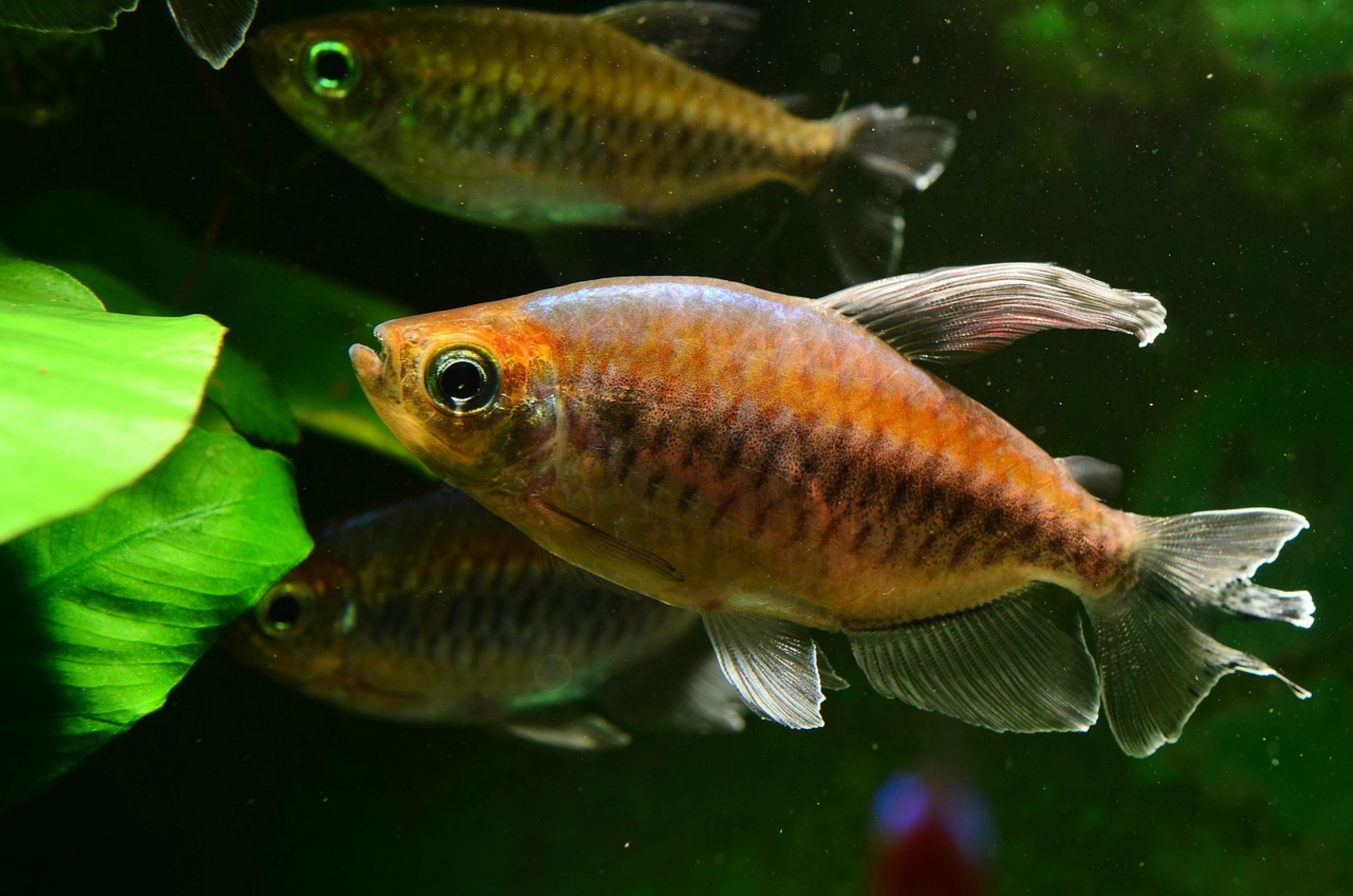
Lower fish numbers result in lower waste production, clearer water, and less work for you when maintaining the tank. In cold water, maintenance has to be done different. Lower temperature mean that beneficial bacteria take longer to do their job.
You can’t clean all of your filter media all at one time. If you remove all of the good bacteria you crash the nitrogen cycle. Don’t use tap water to rinse your filter sponges.
Chlorine from tap water will kill biofilm. Do small water changes on a regular basis. Ten percent weekly is better than fifty percent monthly.
It removes waste without shocking the biological balance. Maintenance should be more like a gentle nudge than a harsh scrub. Plants are more than just decorative; planting the tank also provides many natural benefits.
Benefits of Planted Aquariums
Plants such as Hornwort, Anubias and Java fern do well in cool water with low light. They take up nitrates and stabilize water quality. They serve as cover for the paradise fish.
Paradise fish is shy fish that feel more secure when there are some leaves or roots to hide behind. When no cover is present, the fish get stressed out and become aggressive. Besides looking fuller and healthier, a planted tank makes less work for your filter.
The plants serve as a natural purification system. That simplicity is part of the charm of unheated keeping. Heating your aquarium isn’t necessary for keeping paradise fish.
The Joy of Simple Fish Keeping
This makes for a rewarding hobby. It simplifies aquatics, reducing it down to basics. It requires you not only to read the numbers but also to read the fish.
Noticing behavior tells you how healthy they are. Feeding them becomes seasonal. It’s a more mindful, slower hobby.
In return, the paradise fish will reward that attention with character and color. It shows off its fins and defends its turf proudly. For a moment you get a window into how aquariums were before electricity was required.
It’s a simpler, yet more robust form of fish keeping. And it works.
