
Because CR’s are small, you’d think that they don’t require much attention. Novices finds that their assumptions gets them in trouble. Crystal Red Shrimps aren’t hardy, but rather delicate, specialists.
They won’t survive unless provided with certain conditions. Because they’re small, the market tend to lump them in with beginner crustaceans. That’s an over-simplification.
It’s easy to keep one alive for a week; it take more skill to keep one alive for a year. Before setting up your tank, you should of some idea of how these animal work. The key to their care is water stability.
Essential Care Tips For Crystal Red Shrimp
Understanding Crystal Red Shrimp Needs
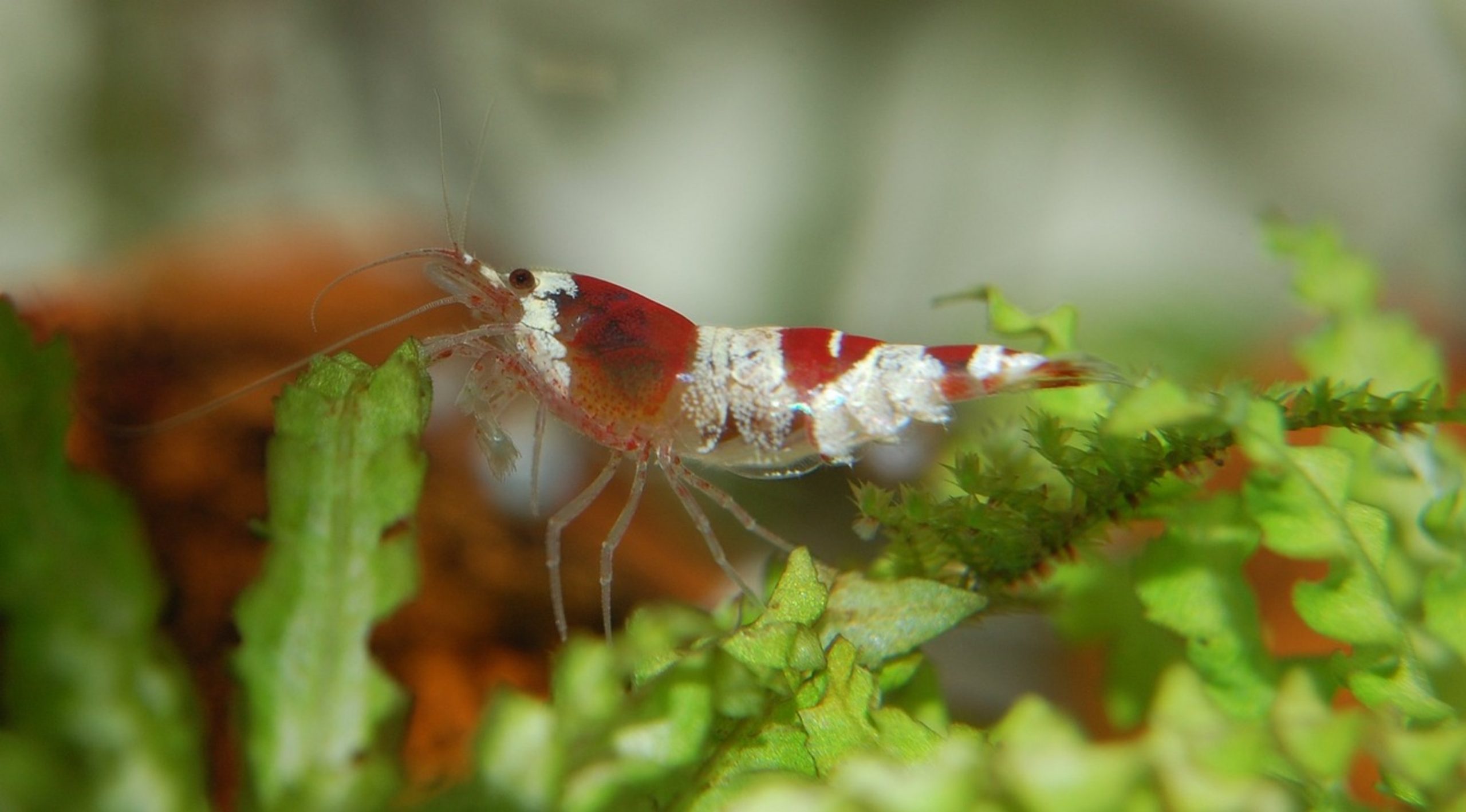
Not just because it’s clean. These Japanese shrimp is accustomed to a particular chemical profile. They specificaly come from streams with slow-moving water and many plant.
Water that change slowly. Stability equals low volatility. Any sudden shift in pH or temperature send them into shock.
Maintaining Water Stability and Chemistry
The water need to be what it was yesterday. Consistency are the key to keeping these shrimp alive. Some aquarists believe treated tap water is fine.
Rarely is it suitable as long term care. Typicaly, tap water has fluctuating mineral levels, heavy metal, and chloramines. Over time these will stress the shrimp.
The best option is RO water + remineralizers. It give you complete control of your chemistry. You will know exactly what’s in the water.
You can mimic soft, slightly acidic parameters. Control eliminates those little stressors that kill your colony slowley.
Controlling Tank Temperature
One other thing; control the temperature with care.
This species like cooler water around 68-72 degrees F. The warmer the water the quicker they metabolize. Truthfully, that’s bad for them. They lives shorter lives in warmer water and are more prone to disease.
Often a room temp of 75 degrees is simply too warm. If so, you will want a cool room or perhaps a chiller to keep the water within the right range. Yes it’s only a few degrees but it alters the whole tank biologically.
Feeding Variety and Biofilm
You can’t feed by volume alone. You has to feed variety. Just feeding algae wafers isn’t going to cut it.
While they eat everything and scavenge, these shrimps requires a blend of blanched veggies, specialized pellets, and biofilm. The latter consist of a microscopically thin layer of algae and bacteria that form on any surface. It’s basically their staple diet.
Substrate and healthy plants fosters biofilm. Excessive medicating and excessive cleaning starve them. Sterilizing your tank starves them.
Yes, a slightly messy tank are often better for shrimp. The proof is in the breeding. This demonstrates your ability to control the others.
Breeding and Habitat Setup
Crystal Red Shrimp take a long time to reach maturity. It can be up to a year before males gets to full size. Be patient.
To make them breed, just keep your parameters stable, feed ’em some good food, and keep it warm. Newborns is small and exposed. They require hiding place in thick moss such as Christmas Moss or Java Moss.
Otherwise, they’ll end up dinner for both adult-sized sofa and larger tank mates. What’s tricky about keeping shrimp is the delayed feedback. What you do wrong today can take weeks before symptoms appear.
That makes troubleshooting problematic. Consistency is key. Observation is key.
It is better to prevent problems than to react to them. A stable ecosystem is what you are striving for, not a sterile one. If you gets it right, your reward is a self-sustaining colony.
It’s work, but the payoff is worth the effort.
