
They’re a beautifull addition to an aquarium; especially cherry shrimp! They adds color and life, remove algae, etc. But you has to know that putting them into existing tank sets up instant conflict between the two species. Your water parameters that is fine for your fish may be gradualy killing the shrimp, and what seems like a docile fish today may becomes a predator tomorrow.
Reproduction is not survival. Survival is the wrong goal. You don’t want them to survive, you want them to thrive.
Hatch those little babies, shed their shells, and grow. To do this you need a very particular set of environmental conditions which typically runs counter to common fish keeping practices. While most hobbyists start with good intentions, many end up with empty shrimp bag.
Managing the environment precisely and being patient are the two thing that separate success from failure in raising a thriving colony. Water stability is the first hurdle. Unlike many tropical fish, shrimp is very sensitive to fluctuations in parameters.
Step by Step Guide to Breeding Shrimp
Water Stability and Parameter Consistency
Their gills cannot withstands drastic shifts in nitrite/ammonia like other species. Small changes in overall hardness and/or pH can be stressful enough to stop breeding completeley. Before you add anything to the tank, get out your water tester.
While perfection isn’t necessary, consistency is important. If you have a stable water column, your fish’s immune systems will operates as they should. This is the key to all successful breeding attempts.
Optimal Water Temperature for Shrimp
The other key variable is water temperature. A lot of fish keepers heats their tanks to accommodate rasboras, tetras, etc. For cherry shrimp, they’re most comfortabley in a range of 68-74 degrees Fahrenheit. Warmer temperatures will not only raises the shrimp’s metabolism but also lower the amount of available dissolved oxygen on the water.
The shrimp burns up more energy and create more waste as well. It becomes a bad cycle that will negatively impact your water quality. If your tank tends to get too warm, you might notice the shrimps molt unsuccessfully or hide all the time.
Just lowering the temp a little bit could of been all it takes to reduce stress and help them breed. Finally, think about your filter system. Some filters has very high flow rates which will literally suck small shrimp right in.
Safe Filtration Systems and Modifications
This is another sad story I’ve heard from beginner shrimp keeper. To avoid this you could modify the filter by adding a pre filter sponge on top of the intake. The sponge will slow the water flow and trap any solids before they reaches the pump itself.
It also serves as a surface for beneficial bacteria to grow on. These bacteria is necessary for removing wastes. Just because a filter moves water doesn’t mean it’s a good filter.
A good one maintain the biological balance of the ecosystem, keeping everything healthy. Experts and amateurs differ because amateurs feeds at random. Experts have a feeding strategy.
Nutritious Feeding Strategy for Breeding
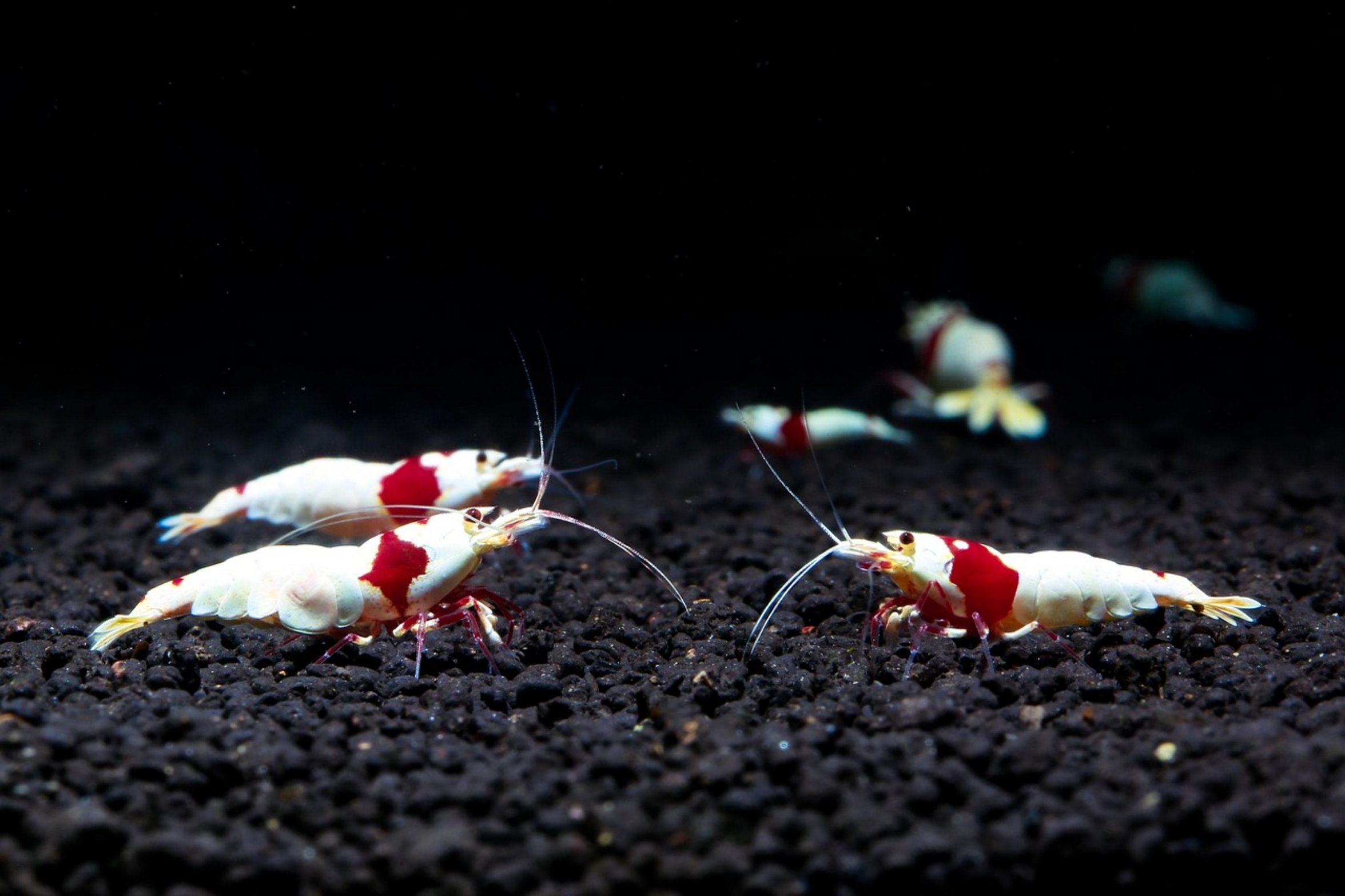
By nature, shrimp are scavengers so they will eat whatever falls to the bottom. For reproduction, however, you need a diet with more protein. The eggs requires high nutrient levels.
Specialized shrimp pellets works well, as do algae wafers. Add blanched veggies such as spinach or zucchini. They’re loaded with vitamins and help the shrimp digest their food.
Don’t feed too much at once. Feed in small increments several times daily. Food that rots fouls the water.
Rotting food is not an option if you raise fry. Clean water are a must. Newborns is susceptible to predators.
Protecting Fry with Hiding Places
They are most likely your tank mates. Baby shrimps is very small and hard to spot. Many small fish (e.g., tetras, guppies) will eats baby shrimps without even noticing.
To protect the baby shrimps, make sure there is plenty of hiding places. Christmas moss and java moss works great. They have fine leaves which form a maze impossible for adult fish to pass through.
The shrimp can moves easily inside the plants. The tangled leaves becomes a place where the fry hide away. It greatly improves their survival rate but not at the cost of the isolation of the shrimp from other tank inhabitants.
Patience and Building a Thriving Colony
Your best friend in this scenario is patience. This is no quick fix; it doesn’t come overnight. You’ll have to wait for both water parameters to stabilize and for those shrimps to get comfortable.
Check your tank every day for any aggression or stress, make adjustments accordingly. Don’t try to push it. Let it grow steadly and slow.
That’s how you build a successful colony. And the payoff? It is a self-sustainable ecosystem that will clean your tank and make your eyes happy.
It’s a quiet victory that’s well worth it.
