
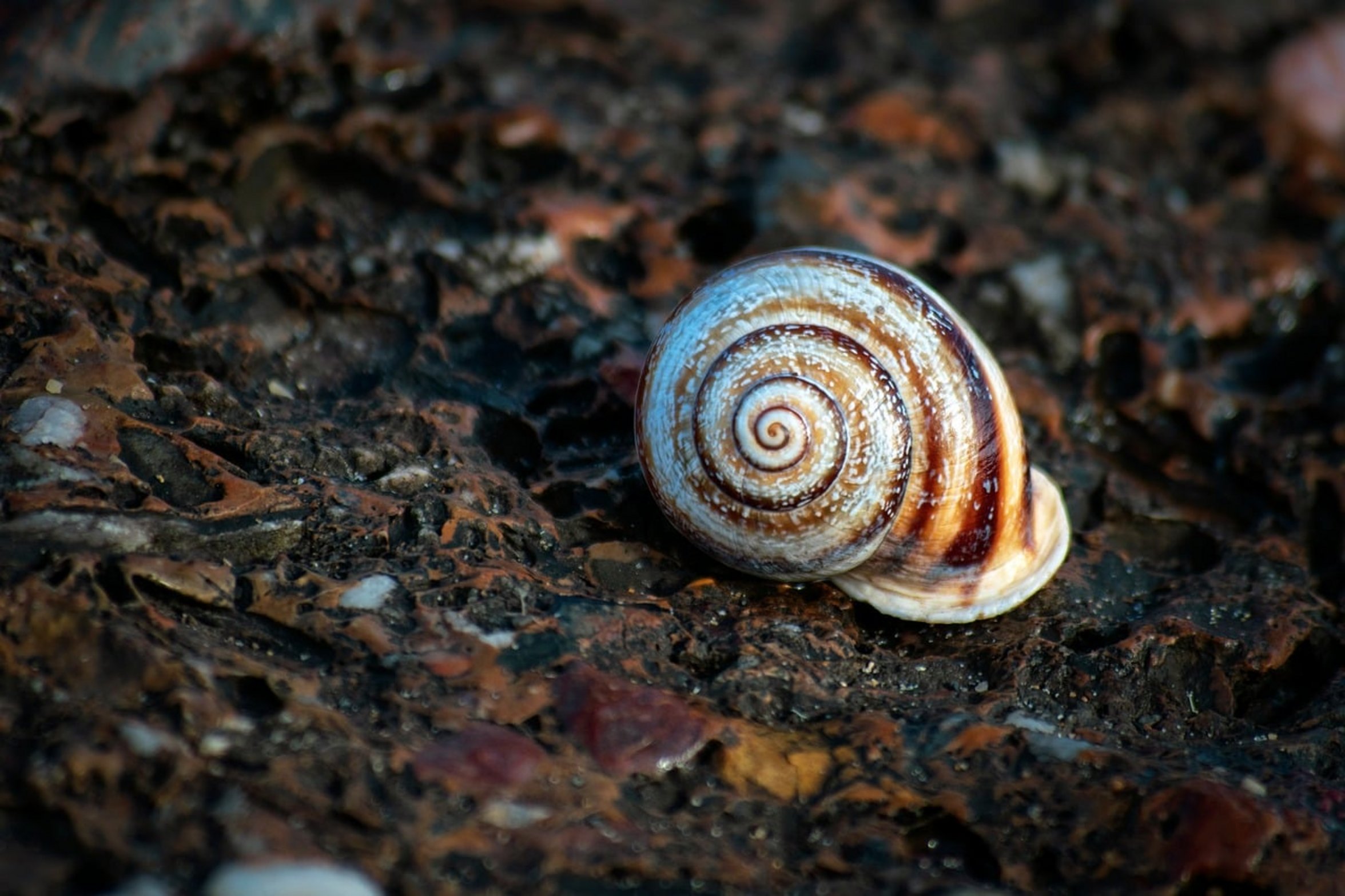
If you’ve ever been to your local fish store, you’ve seen mystery snail. They’re those little guys hanging out in the corners at the bottom of community tank. Slithering along on the glass, they appear as tiny armored hermits.
Those are Pomacea bridgesii. Most hobbyists buy them because they eat algae, but that is only one thing they do. Mystery snails is actualy waste processors and water quality indicator.
They are also long-lived companion fish. They will need some attention you may not think they’ll need. Mystery snails are easy enough to keep alive, though maintaining them in good health is another matter.
Because of their reputation as a inexpensive source for tank cleaning, many novice keeper believe these guys are virtually unkillable and simply go downhill slow. A mystery snail that abandons its shell, becomes immobile, or tucks in for the last time is a victim of a poorly maintained environment. Learn what makes them tick and you’ll have more than just static decoration; you’ll have a vibrant pet that thrives.
Essential Tips For Caring For Mystery Snails
Essential Water Chemistry for Shell Health
Water chemistry are the beginning of keeping mystery snails. Even though they are freshwater snail, they require consistent pH and calcium in order to survive. Because their shell contains calcium carbonate, it require calcium to be replenished and grown/shaped.
That means that if you don’t have stable pH and calcium level, their shells will start to dissolve (yes, they pull minerals from the water to repair them). The shell will start to pit/thin out first followed by the snail showing signs of stress. This is where folks mess up.
They purchase a snail and forget about the water parameter. Test your hardness and pH often. Anything less than a 7.0 on the pH scale are not safe for long-term shell health.
If you want natural buffering, add aragonite sand (or crushed coral) to the substrate. Not only will this increase the pH but will also slowly release calcium into the water. Small change, huge payoff.
If you find yourself in an emergency situation and need some calcium quick, just drop in a piece of cuttlebone. When the snail needs some, he’ll lick it up. This avoids slow erosion that dooms so many otherwise healthy snails.
Proper Feeding Diet and Waste Management
This takes the guesswork out of adding minerals. Just like any other creature, what you feed your snails can be just as important as the environment they live in. The mystery snails are omnivorous, but prefer rotting organic material.
They do eat algae, but that’s not sufficient food by itself. To stay active and produce viable egg, they require a combination of fiber and protein. If all you’ve got is some algae, the snail will look full (because its stomach is actualy full of empty calories), and end up starving to death.
Feed them something else. Add to their diet actively. The vegetables also works well.
Slices of zucchini, cucumber rounds, blanched spinach, these all go down fast. Also use special pellets made just for snails that sink. Just feed every day or two.
What doesn’t get eaten should be removed within 24 hours. Rotting food will raise the level of ammonia. That’s why it’s best not to let leftover foods rot in warmer tanks where they will break down faster.
Ideal Temperature and Lifespan Expectations
It’s a balance between how hungry your snails are vs, You must keep your tank water clean. Better a slightly more hungry snail than a toxic tank. The second key element is temperature.
As mentioned earlier, mystery snails is tropical animals. They like water temps from 75, 82 degrees Fahrenheit. Anything below 65 degrees will make them lethargic and not eat anything.
Their metabolism will slow down to a crawl. That’s why mystery snails don’t do well in unheated cold water tanks. They’re not sleeping; they’re actualy starving themselves to save energy.
Maintain consistent water temps and never have dramatic temperature fluctuations when you perform your water changes. Temperature shock is a silent killer. Another surprise for first-time mystery snail owner: How long do these guys live?
What most folks assume is that it’s six months to a year. Truth is, they routinely lives two to three years in optimal conditions. I’ve had some live well into four years when they’re healthy and the tank is stable.
So that will color how you think about them. You don’t want to treat them as disposables. They’re permanent tenants.
If your snail passes away within eight months, there was probably something wrong with the environment. It’s either because the water wasn’t good or he/she starve.
Reproduction and Egg Laying Conditions
The last piece to the puzzle is reproduction.
Here’s what you need to know: mystery snails are hermaphrodites (i.e., every individual is male AND female). But they still need a mate to have babies. If you have only one snail, then that snail will deposit unfertilized eggs.
Those eggs will eventually be dark in color and will die. You’ll want at least two snails if you’re looking to see the number of snails grow fast. Expect to find clusters of bright pink eggs.
Above the water line. That is, you’ll want some kind of floating plant or uncovered portion of your tank where they can rise and create their eggs. Otherwise, they won’t reproduce.
Keeping mystery snails isn’t rocket science. It’s not that demanding. Consistency is key.
A varied diet, stable water, and enough calcium are the basis for good keeping. If done correctly, you have yourself a long-term companion and a clean tank. They’re fun to watch, they’ll take care of the waste, and clean your glass.
In short, they repay patience with presence. That’s what makes those slow moving armored tanks so valuable.
