
If you’re looking for a tool to help manage biofilm in your tanks, then know that Bristlenose Pleco is one such tool. And I mean that literally, you must know what this fish do and what it doesn’t eat. Many new hobbyists purchase one of these fish with the expectation that he or she will do all of the work to keep their tank glass “sparkling” clean.
That’s why it typically ends in disappointment. Instead of a universal cleaner, think about Bristlenose Pleco as a specialized worker. Because they evolved from Amazonian tributaries where algae covered surfaces and lots of rotting wood abound, this species thrive in similar environments.
Overfeeding lead to bloating and water quality issue for your Bristlenose. Feed too little or feed them the wrong foods and you won’t see any change in your tank. Success come from supplying the right variety of food and providing a habitat that matches their natural instincts.
Essential Bristlenose Pleco Care Tips
Understanding Bristlenose Pleco Dietary Needs
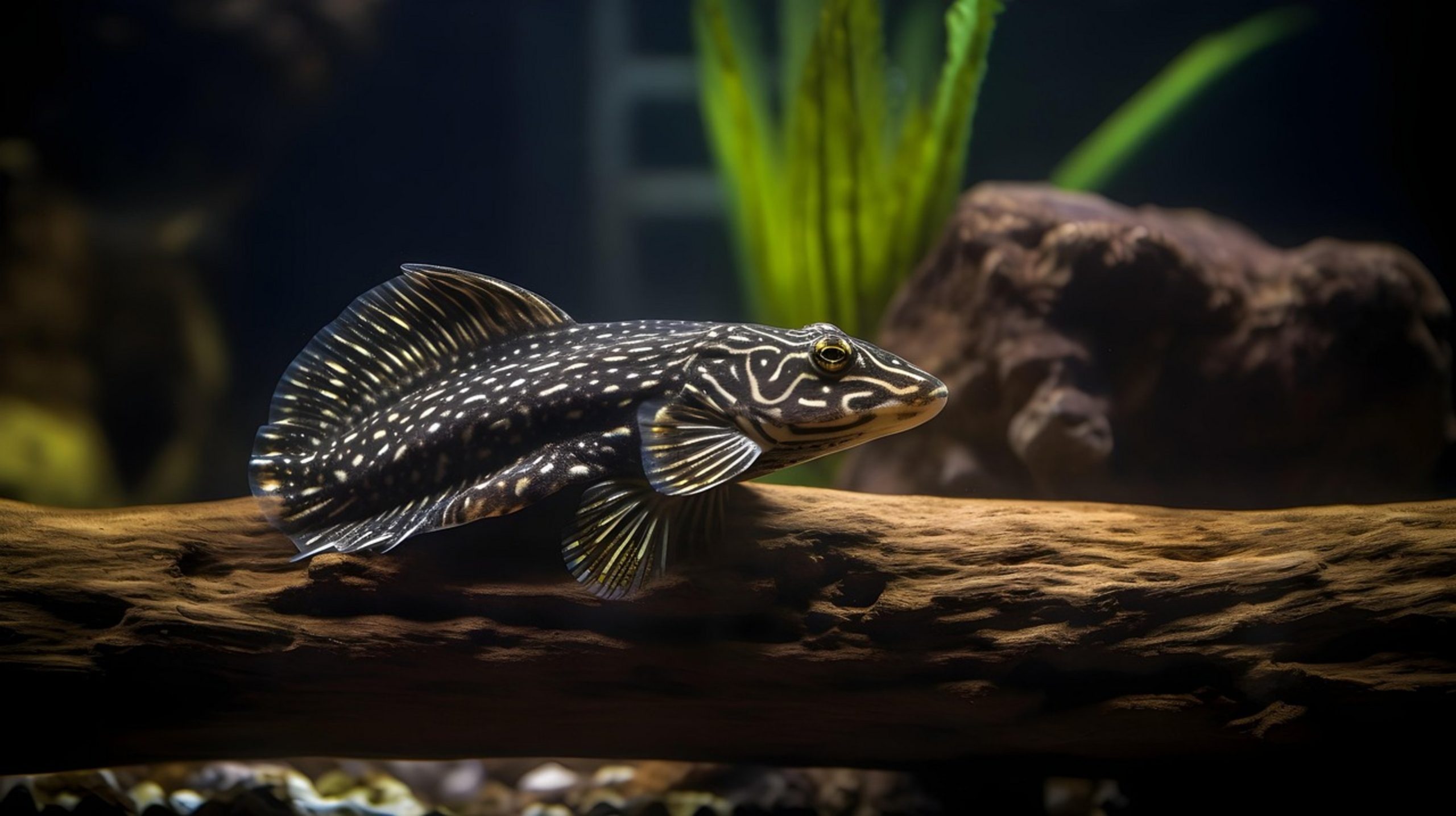
First, and this is the largest myth, is the use of term algae. Yes, Bristlenose Plecos consumes algae. But what kind?
Not all algae. What do they eat? Soft, newly formed biofilm that has coated rocks, substrate, and glass.
That’s the stuff that develops within a few hours after your lights come on. It’s the slimy film that gives your tank that clean look. And if it’s there, your fish will gladly eat it.
They typically won’t touch any mature, hard algae such as black beard or staghorn algae. For that, you’ll need some other form of biological control (or maybe you’ll have to do some manual labor). Knowing this also prevent you from blaming the fish for things they didn’t promise to address.
Creating the Ideal Habitat and Temperature
Their willingness to feed has a lot to do with tank set up. They’re shy, nocturnal fish by nature so providing hiding spots throughout the day is necessary. It is not just for decoration, but also for function; driftwood is useful in this regard.
Bristlenose Plecos have guts filled with symbiotic bacteria to assist in breaking down wood cellulose. Providing some untreated pieces of driftwood or even Indian almond leaf will give them another source of food. This alleviates stress and a stressed out fish isn’t going to eat.
Another thing that gets missed is the temperature. Most folks keep Bristlenose Plecos in typical tropical tanks at 78 or so degrees Fahrenheit. They’ll certainly live in such an environment, but they prefers cooler temps.
Targeting the low seventies/high sixties will greatly increase their life span and maintain their metabolism. The warmer the water, the faster their digestive system will be which will result in them overfeeding and not living as long. This may require a compromise if you also keep other tropical species, but the pleco will be much happier with the water on the cool side.
Feeding Schedule and Supplemental Diet
Non negotiable… You must diet supplement your Bristlenose Pleco. A Bristlenose will not be able to obtain all it requires by grazing alone even if the tank is well established with plenty of biofilm.
It’s vital that you use high fiber sinking foods (either wafers or pellets) formulated for omnivorous bottom feeding species. Algae wafers are great (just make sure they aren’t just fillers). Avoid ones that rely on animal protein and look for those that focuses on spirulina and vegetable matter.
Because their metabolism is slow and their mouth is small, only feed sparingly. An adult should generally only require one or two wafer per day. If you overfeed, you’ll cause problems with water quality and bloat, which makes having a cleaner fish useless.
Compatible Tank Mates and Behavior
They’ll need to share the tank with others but there’s a caveat. While most Bristlenose Plecos are generally peaceful, they will not put up with being bullied by an aggressive member of the tank. They also may attempt to nip fins of slower moving fish such as guppies (although this isn’t common).
My best advice would be to keep them with mid water dwelling, calm fish that don’t compete with the pleco for food or space. Good neighbor fish includes tetras, rasboras, and small barbs. Stay away from territorial fish or large cichlids who will see any bottom dweller as competition.
If you keep the pleco in a peaceful setting, it can focus on eating instead of spending energy hiding. You can use trustworthy wafers for these fish (e.g., Hikari and Omega One). They know what it is and will eat it up.
Feed them foods you trust so they aren’t getting full on empty carbs. Don’t change things too much as this can upset their digestion. Maintain consistency and observe how they behave.
Adjust as necessary. A healthy pleco should be grazing actively at dusk and dawn. Is yours not eating or being lethargic?
Check your water parameters before anything else then examine their diet and where they hide. If you have kept a Bristlenose Pleco, it can be a very satisfying fish to keep if you do it right. It’s not maintenance-free.
It needs special care with water conditions, habitat, and diet. The reward? It serves a real ecological purpose.
It adds to the personality of the tank. It is a real part of the Amazon. If you do it right, you’re not simply keeping a fish.
You’re hosting a small, efficient portion of the Amazon. A clean tank is a bonus. That quiet pout means you did it right and he is satisfied.
