
Have you ever purchased one of those so-called small catfish from the local fish store, and they told you it wouldn’t get any bigger then 2″? That’s exactly what they are, right, for that nice little 10g tank of yours? Only to have the catfish outgrow expectations by several sizes.
Then again in another half year or so, you need a bigger tank…again. Sound familiar? Why is that?
Guide To Keeping Small Catfish
Why Small Catfish Grow Too Large
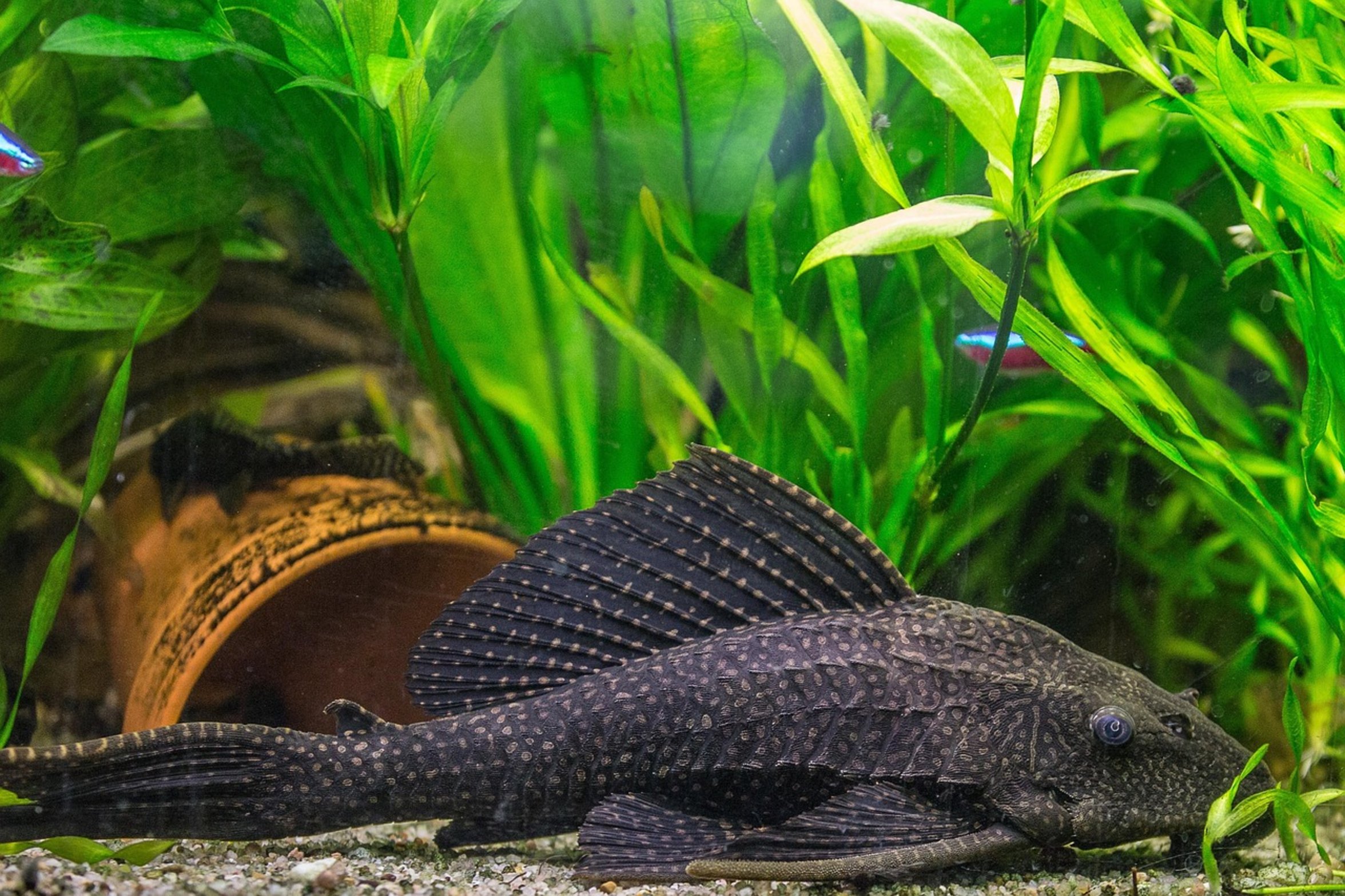
Because you was lied to on label at store? The fact is a true small catfish species will stay small because they are genetically different, rather than just being young fish. When most of us get fish we usually go with something like Bristlenose catfish or maybe some type of corydoras catfish.
The problem is that they tends to get bigger than expected and need to be bought in groups for proper health. If you’re looking for a fish that will fit into a nano tank consider going dwarf. These guy are pretty much maxed on their size and fit perfect in a nano setup.
Kottelati and Pygmy Corydoras Species
If you’re looking for a small, peaceful, active fish that doesn’t require a big school (i.e., a couple of individuals) to be comfortable, the Kottelati Corydoras may be a good choice since they max out at about 2″. They has distinctive markings (alternating light and dark bands), making them easy to pick out of your community fish tanks. Another option is one of the tiniest catfish found in fresh water, the Pygmy Corydoras.
Maximum size for these guys are an inch and a half, with the males being slightly smaller and more brightly colored than the females. Very shy, you will want to heavily plant your tank, providing lots of substrate coverage. You can expect to find them hiding behind root systems or buried in the substrate; they aren’t center-stage fish, but they is certainly hidden treasures.
They are not a hardy fish, so you must keeps the water parameters stable.
Otocinclus Catfish Care Guide
The Otocinclus catfish is known as the Oto. This algae eater doesn’t exceed three inches long, is great for removing algae, and is generally peaceful around most community fish.
Because it’s herbivorous, you should of also supplement its diet by feeding it some algae wafers. If there isn’t much algae in your newly established tank, this will help it stay well-fed. Be warned that Oto can be shy initially; however, after it becomes comfortable, it calms down.
Having an Oto in the tank provide lively energy to aquarium.
Peppered Corydoras Tank Setup
Additionally, if you prefer something a bit more robust and more outgoing in open water, perhaps take a look at the Peppered Corydoras. The Peppered cory can reach three inches, slightly bigger then the Kottelati, but isn’t as shy.
This make them a good choice for tanks with moderate lighting and fewer plants. Just be aware that it’s realy a schooling fish, so keep multiples (six or more). Otherwise, your single specimen will be stressed.
Benefits of Nano Tank Dwarfs
So you’re trading social complexity for space. The advantage to choosing such species is that you avoid the trap of outgrowing your furnitures. Less waste means fewer water changes, which conserves money and time while stabilizing the tank ecosystem.
When purchasing “small” fish as starter fish, don’t be tempted by those tagged as juveniles of huge species. Examine the tag for adult size and check a second source. True dwarves fits into a nano setup without compromise.
This way, you will have a sustainable hobby. The right fish makes the right tank look intentionaly.
