
Many people purchase a plecostomus for their first time with certain expectations in mind. They expect a quiet algae eater that works in the background while they go about there daily activities. Unfortunately, the truth isn’t always so convenient.
Yes, plecos scrape the glass and consume some algae from the substrate’s surface. However, there digestive tract requires more then just algae grown on a glass pane. If you feed them algae wafers exclusively, you’re giving them calories but not variety.
Variety are essential if your pleco is going to enjoy good health over time. That’s when the gap becomes apparent… fast. When a hungry pleco can’t find anything else to eat he’ll start looking for alternative sources.
All too often, those source are the tissue of live plants or the slime coat of your otherwise healthy fish. The reason behind this error lies in misinterpreting there biology. Contrary to popular belief, plecos is omnivores, not plant-eaters.
They’ll eat anything, plant matter, animal protein, detritus, even wood, found in their natural environment. That’s much different than what most captive environments provide. Most tanks is sterile compared to a riverbed.
To achieve success with your pleco, you need to replicate that diet diversity. It won’t happen by simply throwing a wafer in the tank once a week. Yes, it takes more work.
But it will result in a vibrant, healthy pleco that doesn’t bother your other animals.
Complete Guide To Feeding Plecos Properly
Understanding Pleco Biology and Diet Needs
The backbone of any pleco diet should be sinkable pellets specifically marketed as bottom feeder food. These is readily available under brands such as API Bottom Feeder Pellets or Hikari Sinking Wafers.
The Importance of Sinking Pellets
They’re formulated to sink fast which is important because plecos tends to be shy feeders. They retreat to the bottom because they feel exposed if they has to compete with surface dwellers. They don’t see anything floating in front of them, so they miss out.
Sinking pellets offers a steady, dependable source of food, just like how they naturaly forage. This makes it easy to rely on them every day. Feed a small portion daily and observe your fish consuming it.
After 20 minutes, remove what isn’t consumed, you’re over-feeding. Dry food isn’t all they need. Their diet needs blanched vegetables as well.
Feeding Blanched Vegetables for Fiber
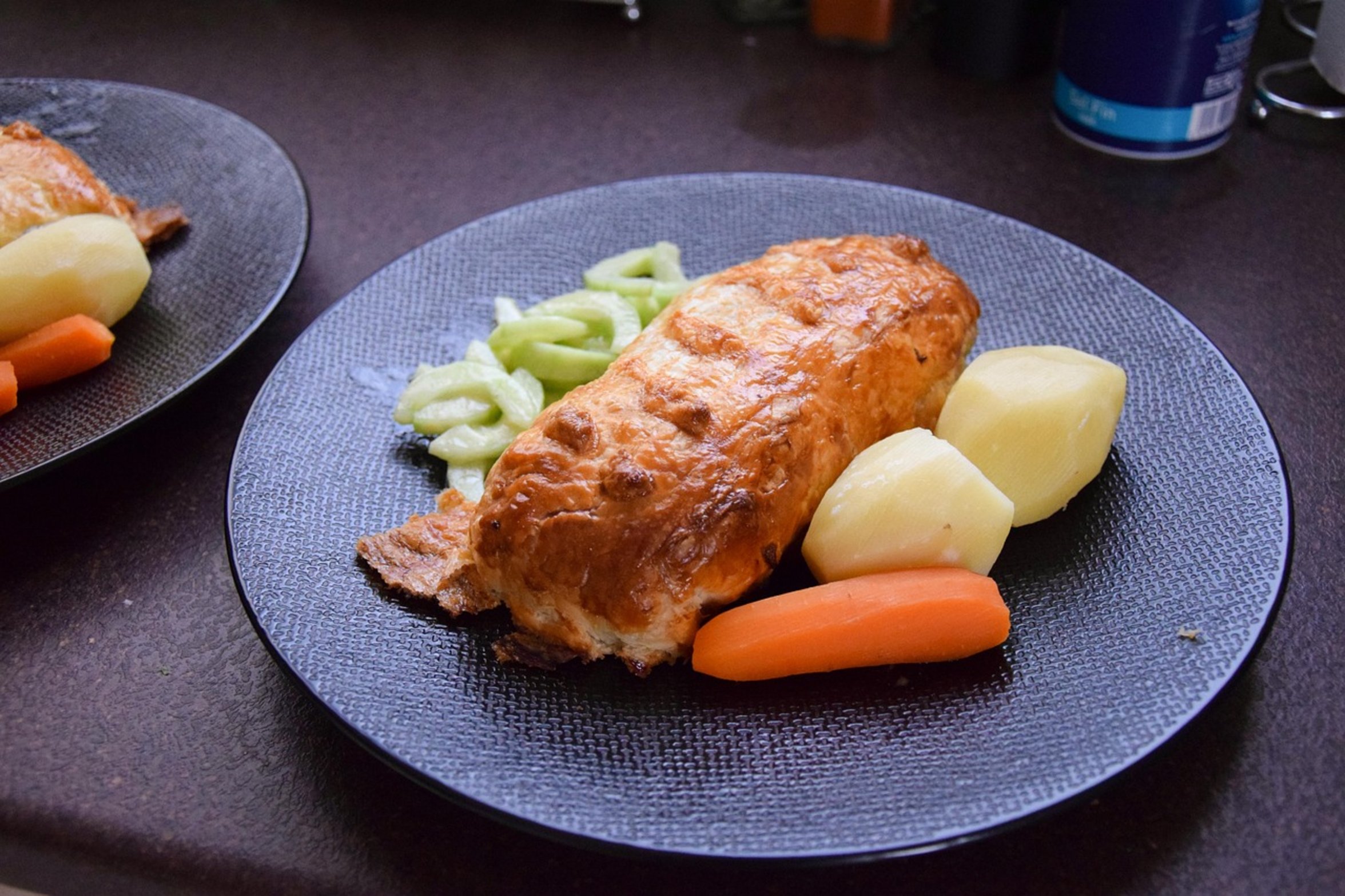
This is easy; some favorites include zucchini, cucumber, and sweet potato. Simply boil until tender, remove from heat, and drop in your tank. They’ll nibble at it easily because it’s soft.
The fiber will also aid there digestion (remember, they’re gut loaders!), which is important. I see some hobbyists do without vegetables altogether. Believing that just pellets are sufficient.
This is an expensive mistake. Not only does it not offer the micronutrients found in veggies, it doesn’t hydrate them either. Varying the type of veggies you feed give them a more diverse nutritional profile.
In terms of increasing both activity and coloration, nothing beats live and frozen foods.
Using Live and Frozen Treats
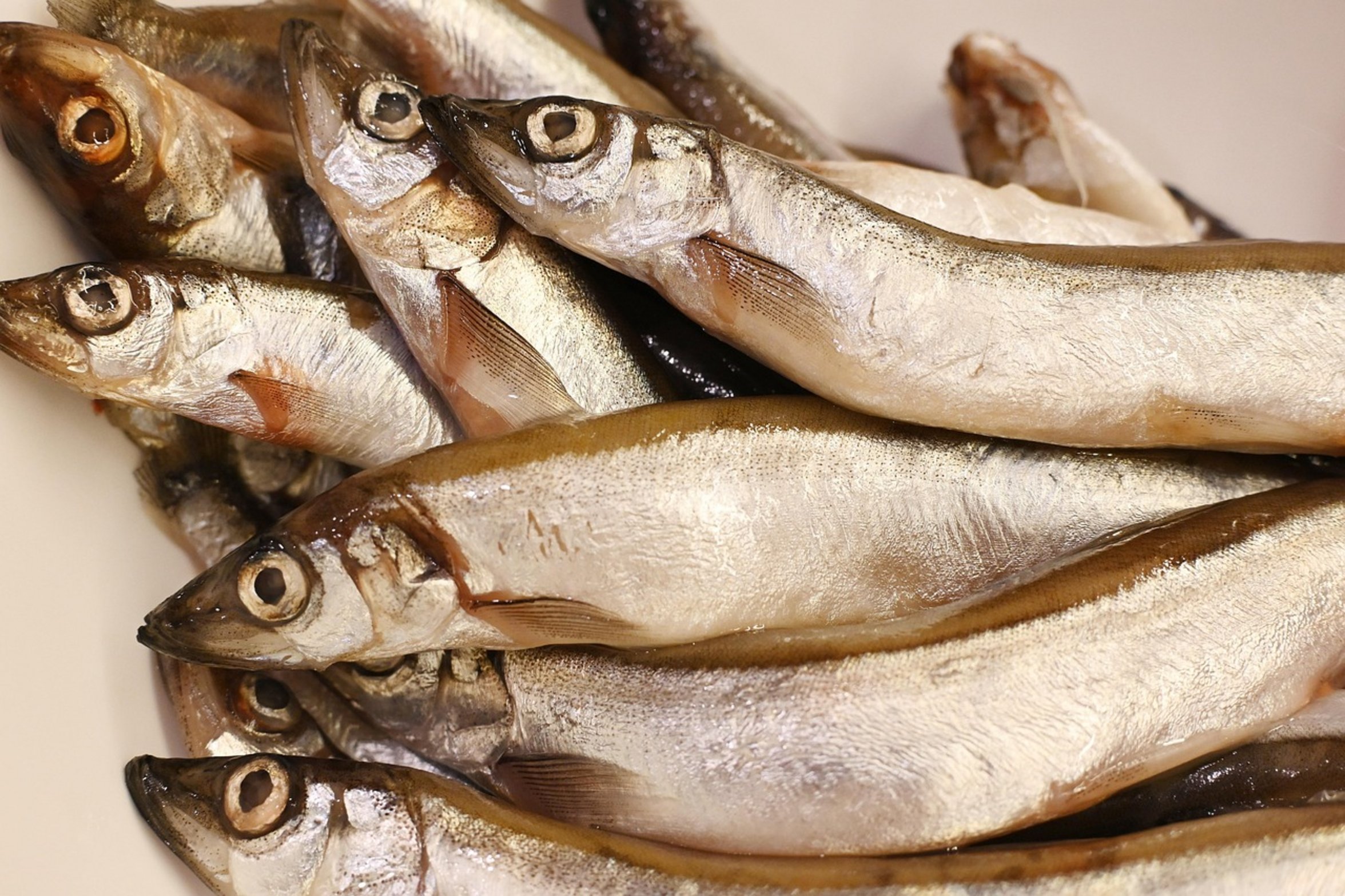
For whatever reason, plecos has a powerful instinct to pursue animal protein, which triggers a feeding frenzy with bloodworms, blackworms, and brine shrimp. These are treat foods and should be fed once a day or every other day, rather than being used as a main diet.
The key here is balance; too much animal protein will upset there digestive system and cloud the water. Treat foods like the ice cream of the fish’s diet (exciting), delicious, but not nutritionally complete by themselves. Watching a pleco chase a blood worm really is entertaining and reminds you that these aren’t just background decor.
They’re active, curious animals.
Benefits of Driftwood and Gut Bacteria
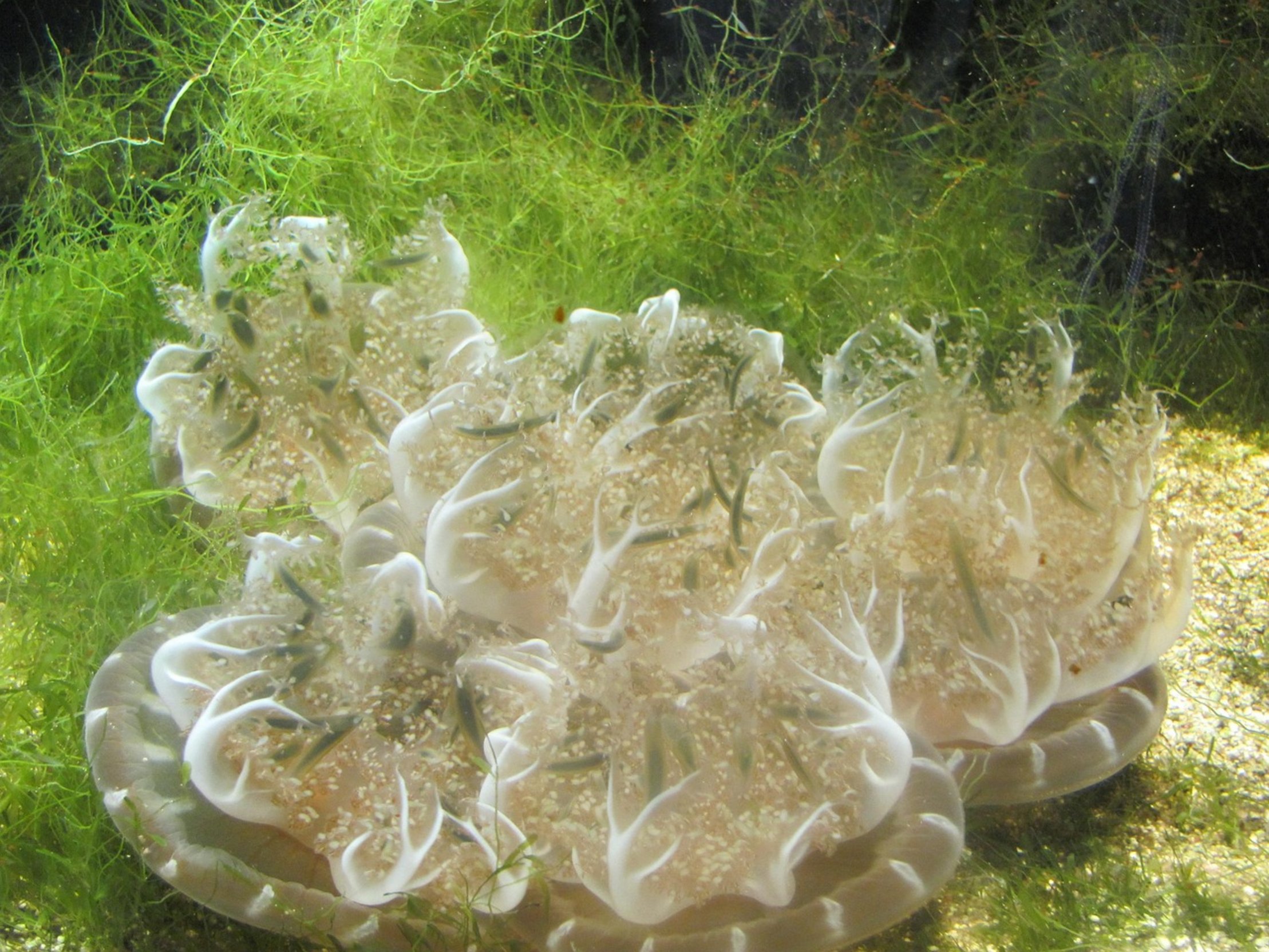
Driftwood is another part of a pleco tank that serves as both food and a habitat element. Plecos are able to break down cellulose thanks to unique gut bacteria and specially adapted mouth parts and will over time rasp on wood and get slow-release nutrition from it.
This is good for them because it is natural and satisfying behavior, and it is also good for you because it helps keep your fish fed with something no supplement can replace. Not just any wood will do, however; you want either spider wood or bogwood that has been appropriately cured. Untreated wood releases tannins which stain the water heavily.
While some hobbyists don’t like the amber coloration, it’s a tradeoff, as the wood is an important source of fiber and other enrichments.
Adding Live Cultures for Grazing
In smaller tanks, you might also want to add something else to there diet such as some type of live culture like vinegar eels. Not only will these provide year-round grazing, but they will also serve as a reliable even if low level food source.
For growing youngsters, this can be especially helpful if you want them to grow consistently. It’s not easy, however, because you have to maintain your own supply of live culture. But when done correctly, active and healthy fish results from all the effort.
Creating a Balanced Pleco Diet Plan
Keeping a well fed Plecostomus will do two things for you. It will keep your tank peaceful while keeping your pleco healthy. A happy pleco means they will stop eating off of your other fish.
You get the cleaner you wanted and a happy pet. Begin by feeding him some sinking pellets, toss in some blanched veggies, and top it off with some live treats. It’s not much work and the pay-off is worth it.
They could of had better food.
