
The bottom of your freshwater tank has a quiet charm, which many hobbyists fail to notice. While most people seek out flashy fish swimming in middle of water, corydoras catfish are hardy, peaceful fish that can absorbs to a community aquarium. These little critters sift through substrate searching for leftover food, it’s entertaining to watch.
For beginner, this is one type of fish you can start off with as they don’t demand strict water condition like some sensitive species. More than a hundred kinds exist, so you have to pick the correct species. While some are robust, others is delicate or require a certain kind of water.
What if you get it wrong? The fish will become diseased or stressed out. You don’t want fish that are just surviving in your tank; you want ones that thrives under your care.
Different Corydoras aren’t the same in terms of ease of keeping. Some is domesticated (bred for sale) and will adapt to broad conditions; others are specialist species from the wild that demand more acidity. Knowing this help minimize stress and save you money.
It makes the tank a place where you relax rather than worry.
Top Hardy Corydoras Species For Beginners
Why Choose Corydoras Catfish
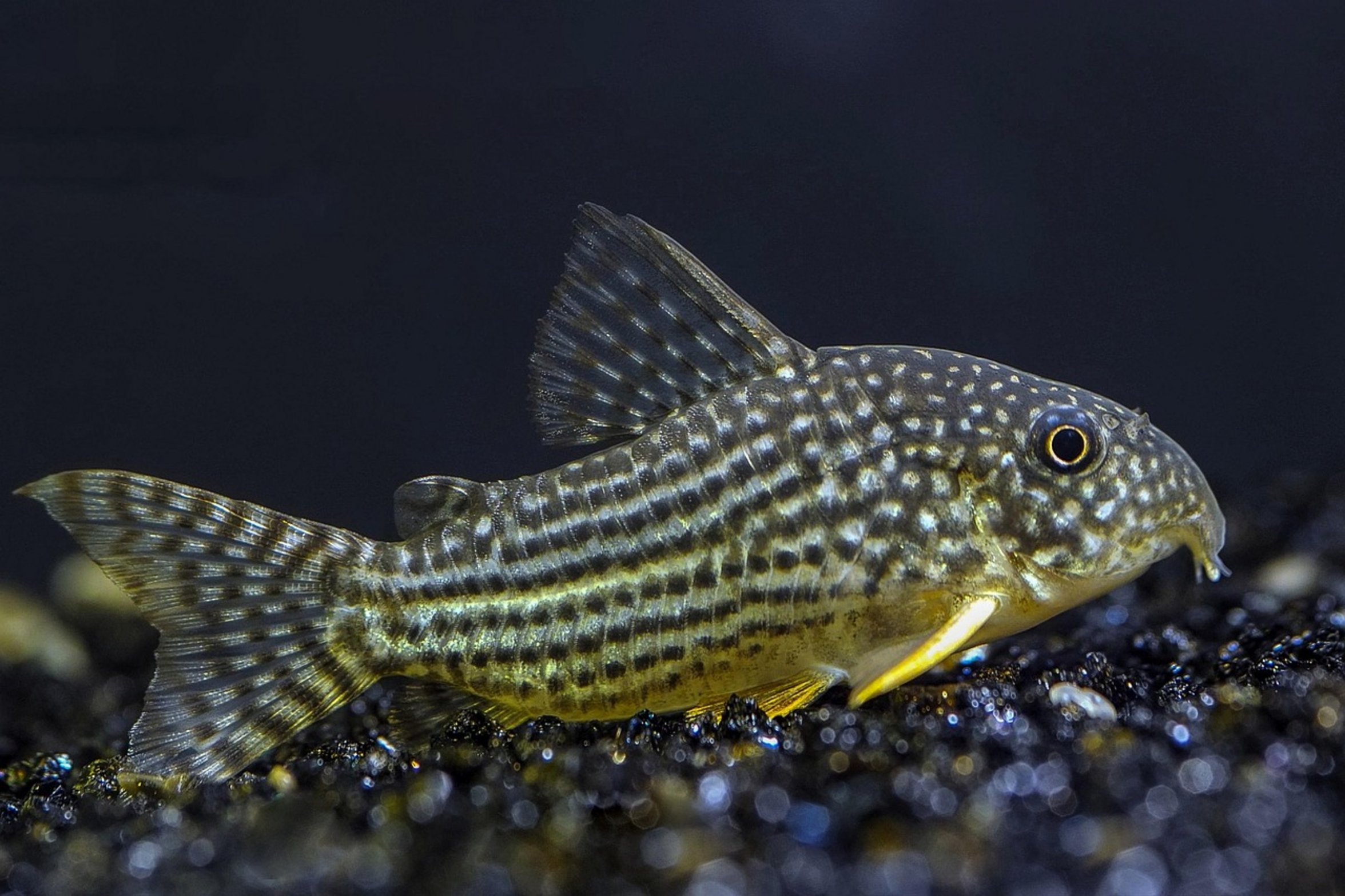
Most folks go with the Peppered Corydoras (genus: *Corydoras*; species: *paleatus*). The species name alone will tell you why it’s such a commonly kept species.
Peppered Corydoras
It’s the “regular” cory for the genus, that is, it tolerates water conditions that cause problems for other, more sensitive species of cory. Hard water? Soft water?
Temperature swings? Yep, they’ll do just fine. And their speckeld brown and white scales provide a subtle elegance that blends well with any decor.
They won’t be difficult to maintain, making this a nice beginner species too.
Panda Corydoras
If you want a little more personality, consider the Panda Corydoras. It’s also similar in hardness to the Peppered Cory, but its banding make it recognizable.
Black bands around its pale body give this fish a “masked” appearance. And because they’re more visible on dark substrate, their contrast to the background realy pops. Social and active, these guys aren’t shy either, they’ll be seen more frequently.
It doesn’t change much visually, but it does make your tank look better.
Albino Corydoras
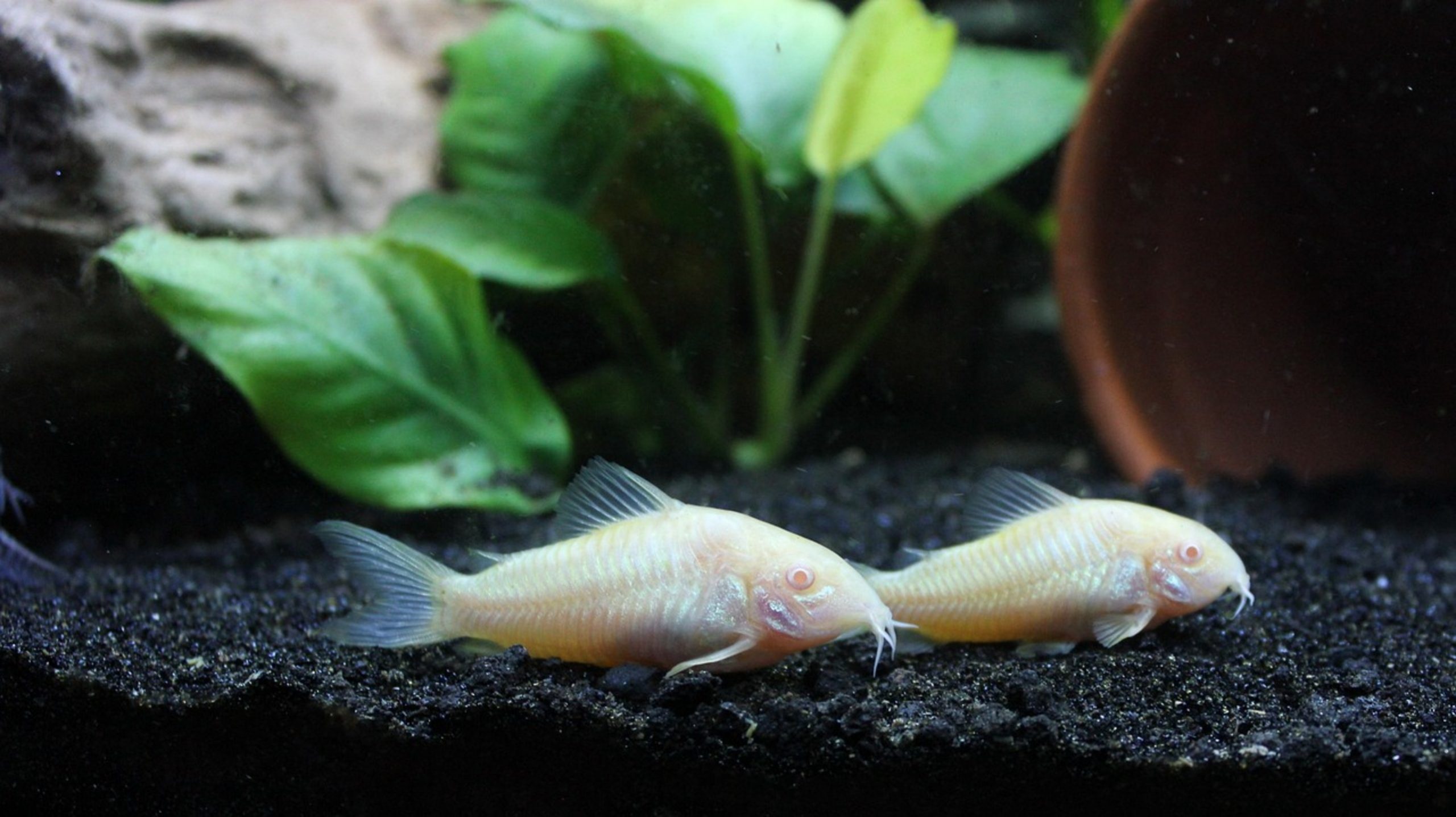
Another option that looks different is the Albino Corydoras. With their red eyes and white body they stand out.
A plus to this fish are they are just as easy to keep as the Peppered Cory. So you’re getting something a bit different in color but with toughness of the parental species. The red eyes will not appeal to some folks, but hey, that’s personal preference.
For someone new to corys or wanting something different than the typical brown, these guys are tough to beat.
Substrate and Hiding Spots
Keep in mind also that set up of your tank is just as important as what species you get. Bottom dwellers, (aka bottom feeders) like corydoras will live their entire life on substrate.
What type of substrate do you use? Do not use sharp gravel, or your poor corys delicate barbels will get torn apart. Your corys will sift and dig around naturaly if given smooth river sand, which is ideal for this reason.
Such a small adjustment can make all the difference between an active cory and a stressed out cory. Keep in mind that Corys are naturally shy. That’s why they need places to hide.
Floating plants like Amazon Frogbit do just that. They give the cory a sense of security because there is something between it and any threat coming from above. Caves and driftwood can serve as hiding places too.
By having a well-planted tank, you mimic their natural South American environment, giving the corys something to forage on and hide behind.
Feeding Bottom Dwellers
You have to feed them. Flakes that sink work, but they will do best with sinking pellet or wafer type foods.
These sinking foods contains the proper nutrition for bottom feeders. You can also treat them to things like blood worms occasionally. Blood worms satisfy their natural need for foraging and bring variety to their diet.
Feed enough food so some hits the bottom while keeping other fish from eating all of it. Starving your Corydoras is another easy mistake to make if you’re not vigilant about this.
Schooling Behavior
They are a sociable species.
Keeping them alone is harmful to their wellbeing. Being schooling fish, corys need to be kept in shoals of 6 or more. Living alone makes an individual timid and prone to stress related illnesses.
They feel secure when there’s a larger number and they behaves naturally. They’ll patrol the sand as a group, which is rewarding. It is not just about quantity but also about fulfilling their social needs.
Selecting the correct species from the start establishes the tone of your aquarium experience. If you select one of the more robust cory species such as the albino, panda, or peppered corydoras, you will set realistic expectations about what they require and how much fun it is just observing their behavior. Meeting there minimal needs, paying attention, and having patience are all keys to success.
Get their group number, diet, and substrate correct and these unobtrusive little guys can be centerpiece of your tank.
