
Caring for an albino bristlenose pleco is mostly the same as caring for a regular one, though you’ll need to make some minor adjustments regarding lighting and tank mates. Both are fine to maintain together in the same aquarium. But keep your expectations realistic.
Albino bristlenoses are not a different species. They’re just a different coloration. Why does that matter?
It affects how you set up the tank, especially regarding stress and light. Know what you’re getting into before purchasing the fishs. Visually that’s the primary distinction.
Albino Bristlenose Pleco Care And Differences
Albino vs Regular Bristlenose Plecos
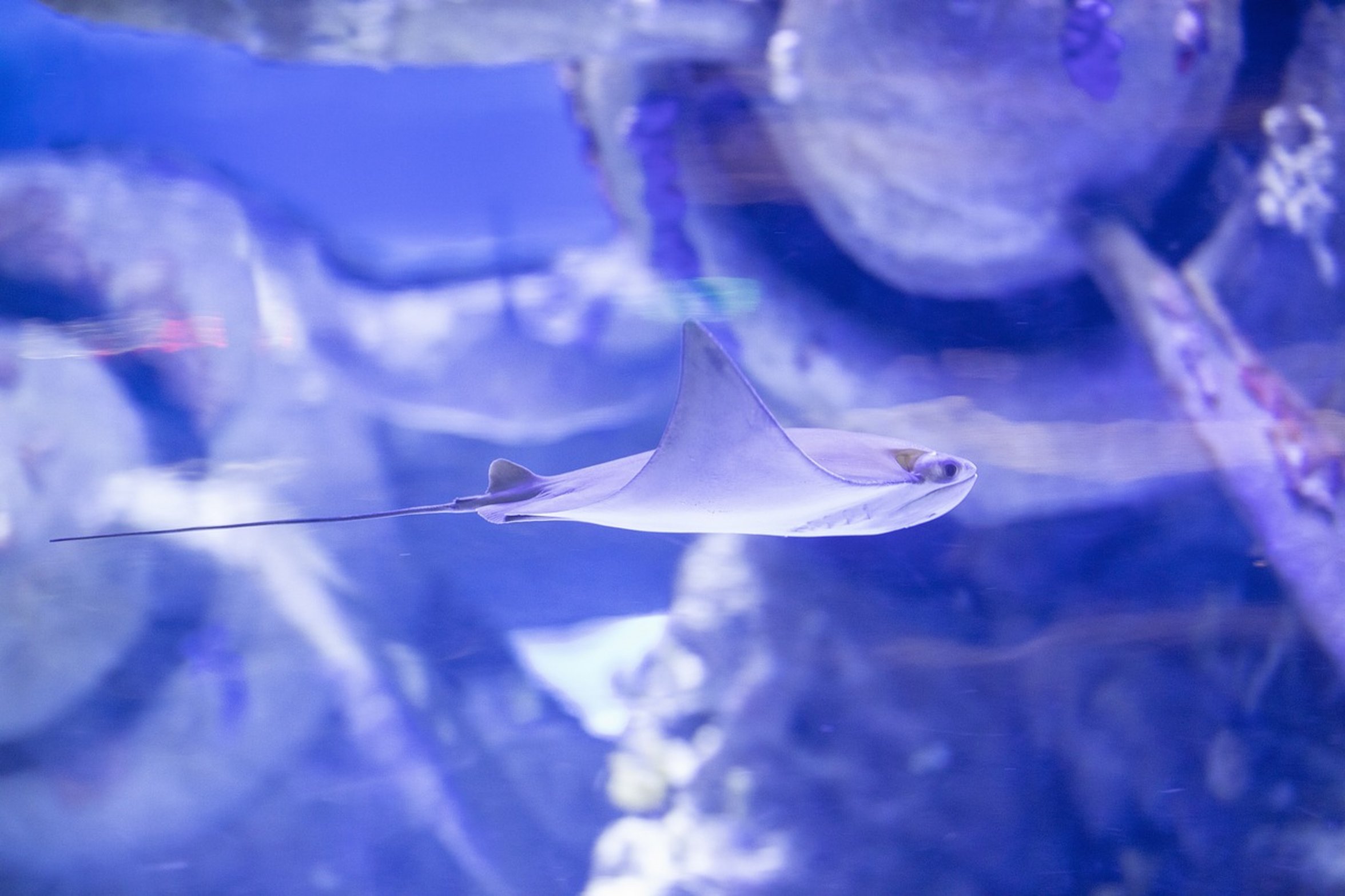
Regular pleco species is typically covered in black, grey, and brown patterns. The coloration camouflages them on rocks and wood. Without melanin, as seen in albinos, there is no pigment.
Instead, they’re usually white or light pink in body color. Their eyes will be orange or red in many case. Because of their lack of pigmentation, they tend to show up more against the darkness of your tank.
It stand out. But it also comes at a price. They can’t hide as effectivly as the standard fish.
That makes them targets for any aggressive fish companions. Your set-up should of been designed to allow hiding places for them. That’s why this visual contrast affect your decorating choices.
Tank Setup and Lighting Requirements
Typical plecos prefers low-light conditions with lots of place to hide. The albinoes need those same hiding spots, but they require a different lighting strategy. Since they’re more sensitive to visual stimulation different than their darker counterparts, bright, harsh lighting will stresses them.
They don’t like feeling exposed. Soft, diffused lighting is preferable. Floating plant do a good job of softening the light while providing shaded areas for the albie.
And it’s not all aesthetics. It’s also about making the fish feel secure. The food requirements are similar.
Diet and Feeding Habits
While both forms is omnivorous, they do tend to eat vegetable-based foods. They will consume sinking pellets, blanched vegetables such as zucchini, and algae wafers. Albinos might have slightly different metabolic rates or be pickier eaters.
Some hobbyist believe that albinos is more picky, especially when they are new to your tank. In most cases, this isn’t true, it’s simply a case of stress. Just give them time.
If you’ve got a new albino and it doesn’t eat within the first couple of days, don’t think it starved itself. Give it time to acclimate. When it realizes it’s safe, it will normaly start eating again.
Water Quality and Health Care
Regarding water quality there’s no difference between the two. They both prefers good water quality, such as clean water with plenty of oxygen and steady temperatures. The optimal temperature is within the 72, 82 degree Fahrenheit range.
Both species also rely on surface movement for gas exchange. Don’t be fooled by the albino designation. Albino fish are tough, hardy fish.
The challenge is not about managing chemicals, but rather minimizing stress. When conditions remain stable, then the fish won’t have their immune systems suppressed. Stress can suppresses an albino’s immune system and make them vulnerable.
Identifying True Albino Fish
Where do you get them? This is where things gets tricky. Because they are rare and in demand, albinos is usually more costly.
Buyer beware. Beware of sellers that haven’t verified their fish. True albinism is a genetic trait.
Malnourishment or poor health can cause some fish to appear pale. Not because they’re an albino. Look at the eyes.
Do they move about actively and are they bright and clear? Is there any lethargy in the fish or does it appears to have patches of white rather than being evenly colored? Examine those eyes!
Normal true albinos will have red or orange eyes. Cloudy eyes means trouble. Pink eyes might mean they’re albinos but if they’re cloudy, they’re probably sick.
There’s something about having an albino bristlenose pleco in your tank. Not only does it look different but it provides careful housekeeping services. Other than some caveats regarding tank mates and light, they are cared for just like any other species.
Treat them with respect because they can be sensitive. Provide lots of cover, a darkened, subdued habitat, and feed them appropriately. Keep the water spotless.
In return, you’ll have a silent companion for many years. Eventually, the albino pleco will become one of the family, a part of your community.
