
Angelfish have an unmistakable triangular body form and glide through the water like living silk ribbons. Their peace keeping will depend on more than good water quality; choosing those with whom they share the tank will be key. Unfortunately, many new aquarist interpret the placid nature of the angelfish as a sign they are friendly to everyone and that is where the danger lies.
Best Angelfish Tank Mates To Avoid
The Dangers of Speed Mismatch
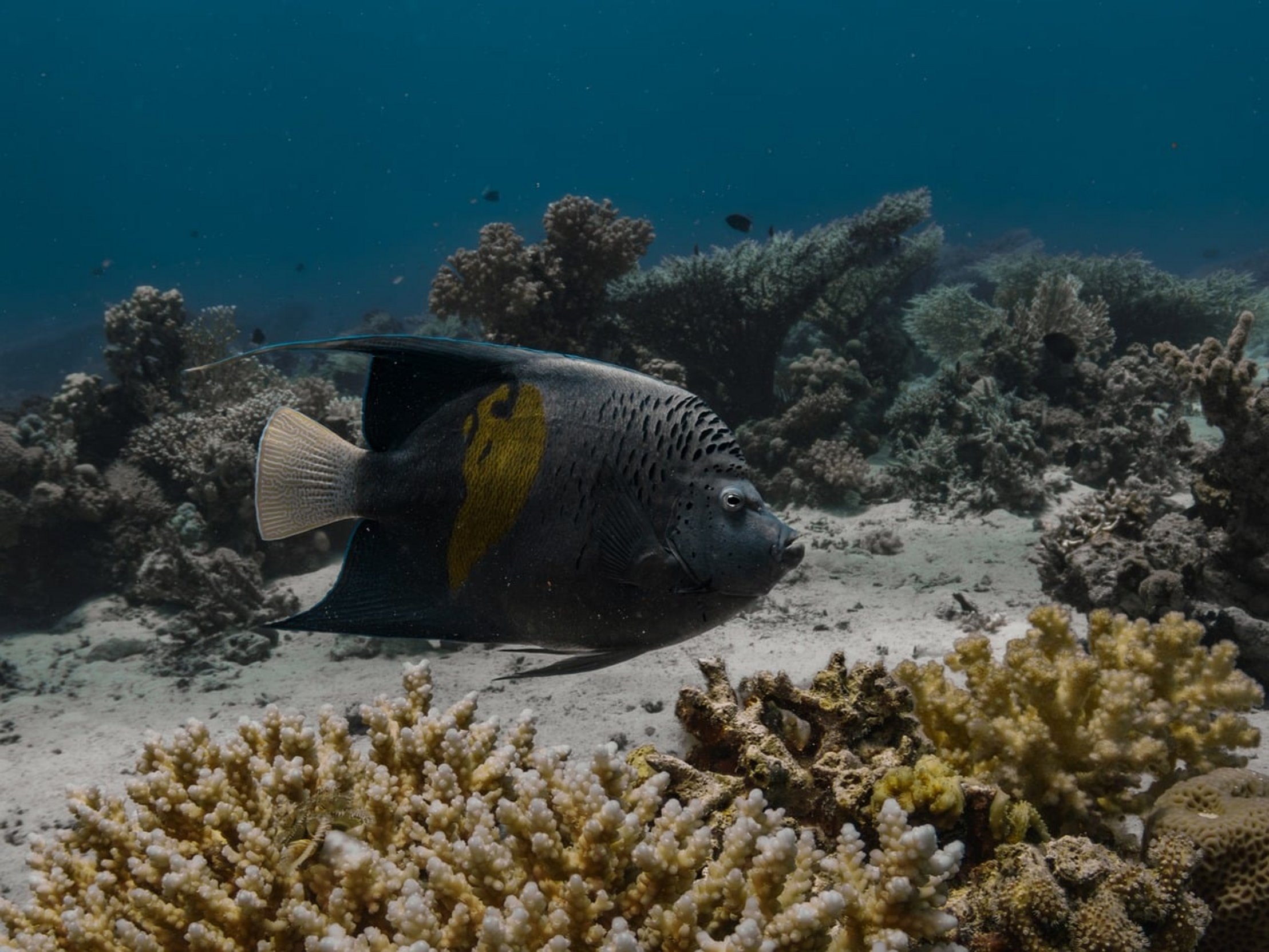
Cichlids in the wild is opportunistic and territorial, and taking someone home who isn’t right for the environment is going to convert what was once a calm scene into a survival show. Which ones becomes more predatory and what causes them to act that way? You should of know that.
Speed mismatch. Speed mismatch will create the first big fight. Fast swimming fish constantly tease an angel, zooming past his face then pulling away before he can get a strike on it.
This stress for the angels can result in damaged fin. So you don’t want really energetic tetras like those that is notorious for their high activity level. The fast moving neons and cardinals (just to name two) are very pretty in contrast with the silvery angels but the speed difference cause endless stress.
In fact the angels might take a swipe at the neons. That can injure/kill small guys, but even if they don’t do that they’ll have to live permanently in flight mode which doesn’t help with your desire to create aesthetically pleasing harmony. It is better to select fish that are similar, slower, and more leisurely swimmers.
Avoiding Aggressive Cichlid Neighbors
In contrast, larger cichlids poses another danger, particularly those from Africa like the Frontosa, Peacock, etc. Because they are aggressive and territorial, they won’t tolerate a smaller, slower-moving competitor in their space. Placing one of these bad boys together with an angelfish is asking for trouble right out of the gate. Because they’re not fast enough to get away and too meek to be assertive enough to protect themselves, it’s just not good.
Even if you don’t think there’s much of a size disparity initially, remember that cichlids reaches size rather rapidly, and before you know it, your placid angel may be a meal or a constant target of torment. Just the stress of being around them can make an angelfish get sick by weakening his immune system. You are better off housing them alone or with other non-aggressive community fish.
Bottom Dwellers and Tank Space
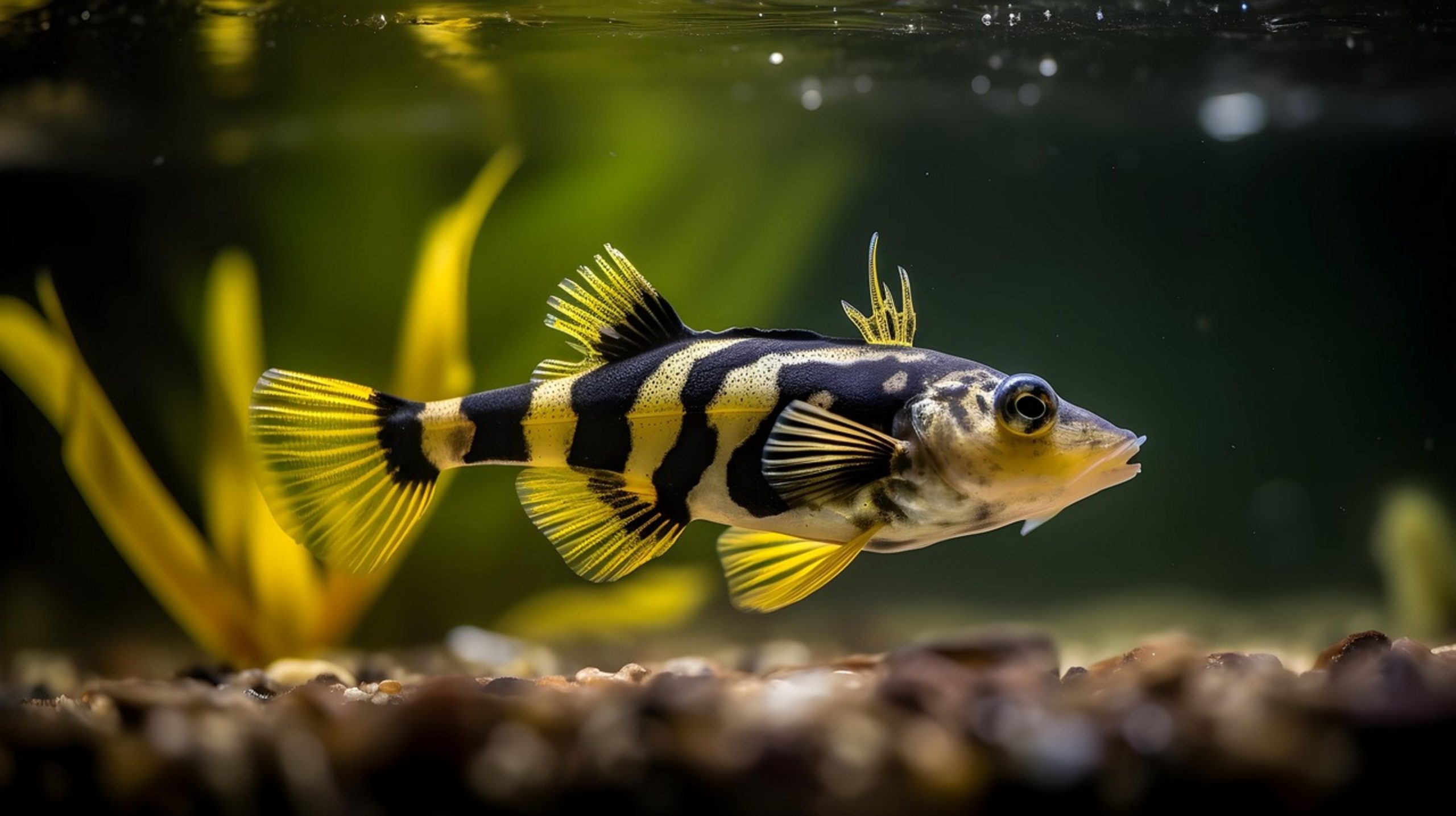
Angels hang out in the upper levels of the tank while bottom dwellers create a false sense of security with many keepers thinking Pleco’s (Plecostomus) and other bottom dwelling catfish like Corydoras catfish won’t bother them. Yes, most Corys are fine but Plecos, especially common plecos, get huge and can become aggressive as adults. Besides becoming aggressive, they may compete for food and space which throws off the balance of the tank.
Angelfish require vertical swimming room along with space to display. Competition for space is one thing but aggression is another. So besides competing for space and food, large bottom dwellers occupies quite a bit of volume, which can crowd the fish.
And when the tank isn’t oversized, crowding causes conflict. This is a little mistake that frequently leads to an unsuccessful community set-up. Angelfish and betta fish (which are labyrinth fish) is another popular combination gone wrong.
Why Bettas Make Poor Companions
While both species swim similarly, this doesn’t mean they get along. In fact, two male bettas won’t get along either. But neither will a betta and an angel.
Two territorial fish fighting for space and other resources isn’t a recipe for friendship, especially when the angel has pointy teeth and the betta has long finnage that can easily be nipped off. Sure, putting the two together looks cool. But it’s not pretty, and the constant harassment takes its toll on both the angel and the betta, who live shorter lives under those conditions.
So go ahead. Enjoy the look of seeing two different species swimming together. But do yourself a favor: honor their respective personalities and house them separately.
Temperature Clashes with Goldfish
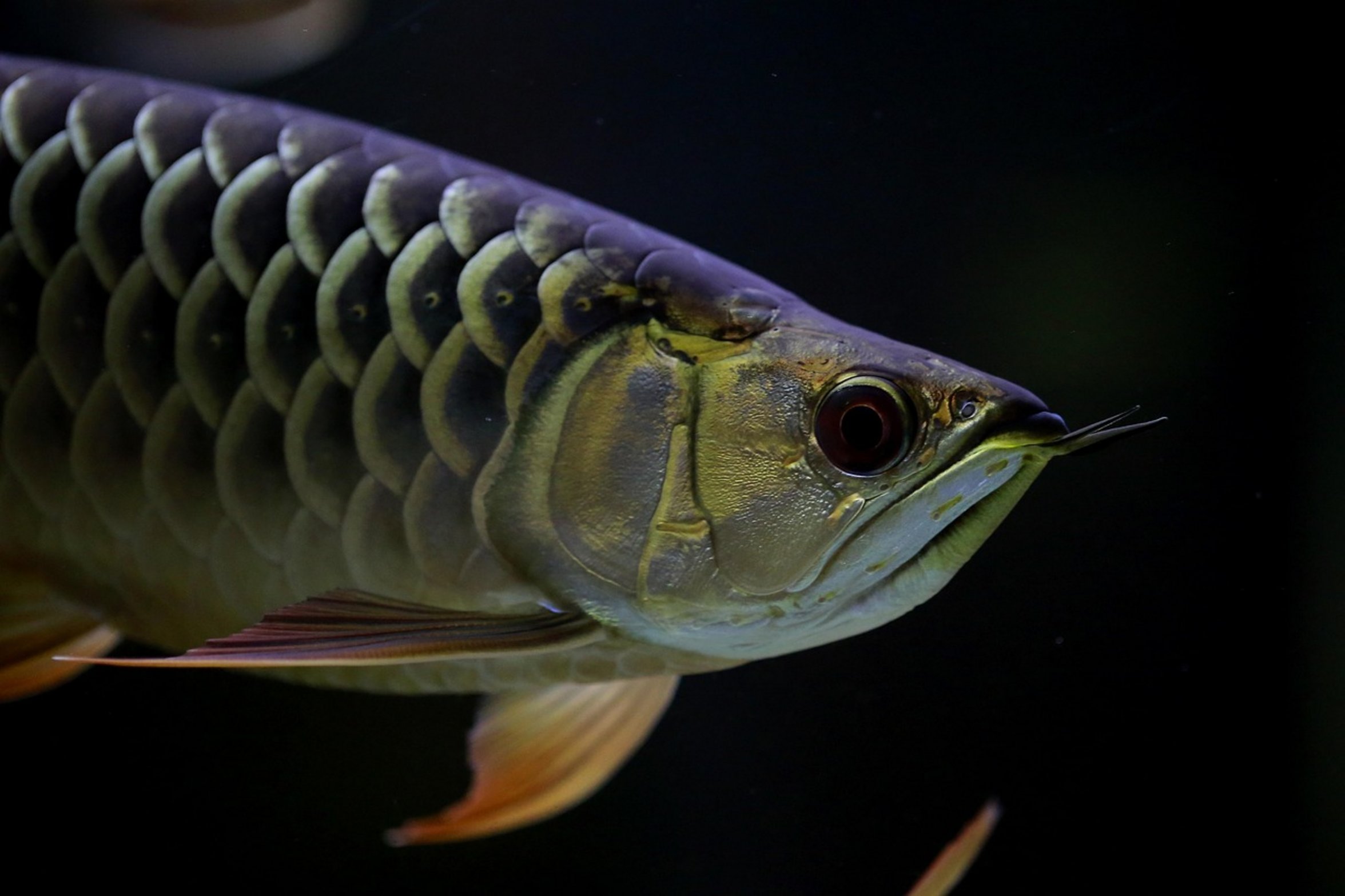
Angelfish, these guys are best kept with peaceful community fish or in species-only tanks. They’re warmwater species with specific food needs. They also produce more waste and don’t do well when mixed with other fish.
For one thing, their water requirements is very different (softer/warmer). One species or another will suffer from the environment that works best for the other. Goldfish also create a lot of waste and will produce significantly more than your filter can manage while trying to support the angel.
In fact, the temperature difference alone is a death sentence for either the goldfish or the angel. The goldfish is stressed by being kept warm, while the angel is stressed by being kept cool enough for the goldfish. Either way, the goldfish won’t thrive and grow as it should nor will the angel reach its full size/health due to the cooler water.
It’s a lose-lose situation for both and results in poor health across the board. Before you buy the furnitures, read the room when it comes to tank mates. You want tankmates whose speed of swimming matches the angelfish and who have the same gentle disposition.
So no fast ones (i.e., dithers), no aggressive ones, and no ones that don’t fit their environment, because the angelfish deserves a peace in which he or she can really glide.
