
You’ve watched as your Peacock cichlid or Mbuna loses its color. Its fins begins to get clipped at the edges and the scales becomes dull. Although it’s eating just fine, the fish is listless.
What happens next? Before checking the water parameter, most novice keeper immediately assume that either the tank mates or the food quality must be bad. After all, the equipment is working perfectly and the water looks clear.
It makes perfect sense. But it isn’t. The fish is under some kind of stress, and it is real and chemical.
Key Reasons African Cichlids Need Alkaline Water
Understanding African Cichlid Stress Signs
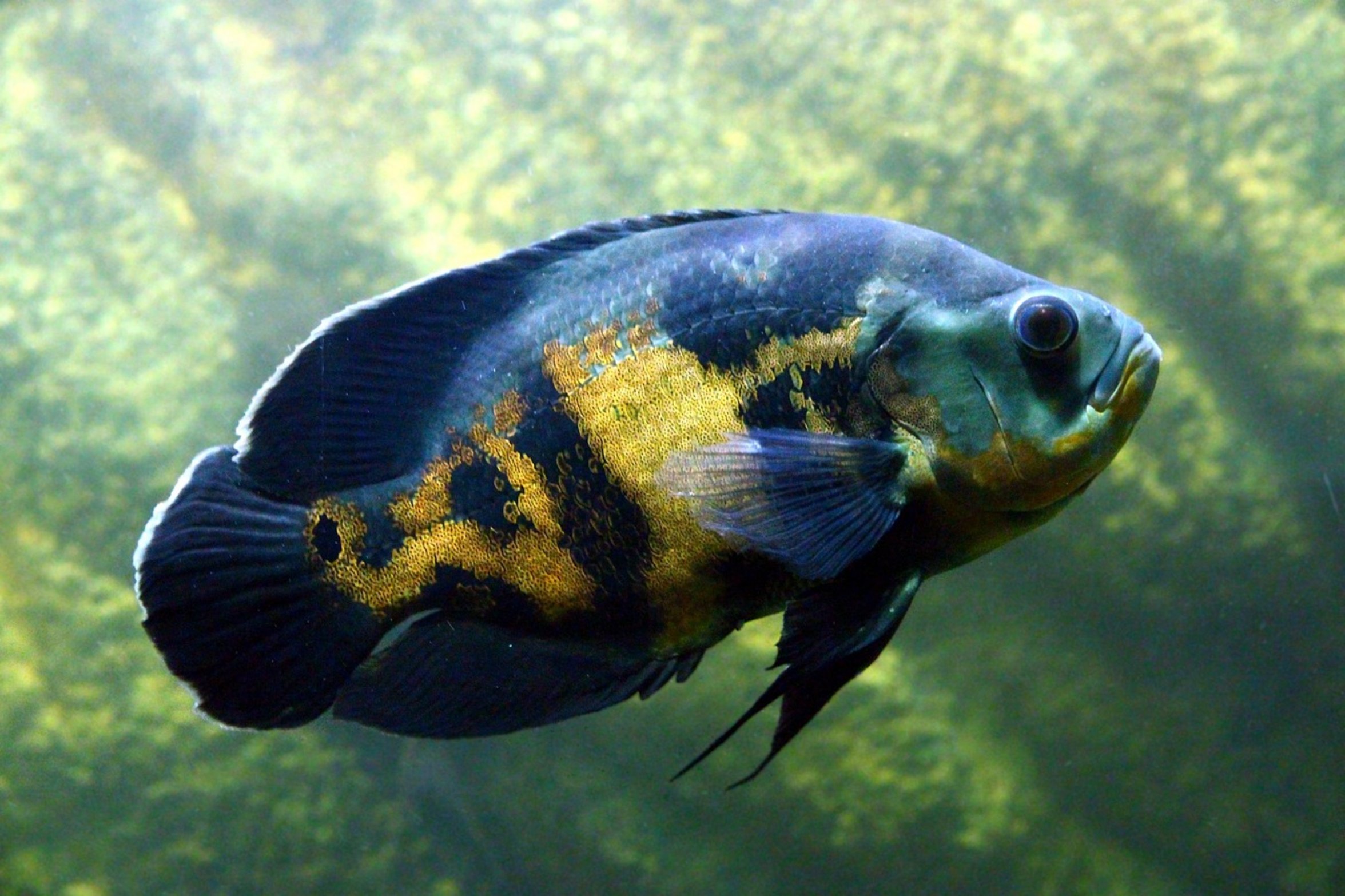
African cichlids aren’t generalist, hardy animals. Rather, they’re specialists that come from Lake Tanganyika and Lake Malawi. Their world is characterized by hard, alkaline, mineral-rich waters.
If you place them into acidic, soft tap water, you don’t just change their address; you alter their physiology. Many people don’t understand the relationship between water chemistry and fish health. But it’s not black and white.
It’s biological compatibility. The fish has evolved an efficient water balance system that functions well in a certain hardness and pH range. If their body operate outside that range, it burns excess energy keeping everything in check.
That energy doesn’t go into coloration, growth and immunity. When you understand why they need this particular environment, you stop guessing and begin managing. Then, testing your water becomes a means for diagnosis rather than a chore.
Natural Water Chemistry Needs
A second clue lies in the natural chemistry of the Great African Rift Lakes. They reside over limestone beds that leach calcium and magnesium into the water. So, the pH of these waters is relatively high and stable, and overall hardness is high.
In other words, the water is a mineral solution that is buffered. If you purchase a cichlid from a reputable breeder, what you’ve purchased is an animal that’s tuned for this chemistry. Placing them in soft water result in a mismatch.
Yes, the fish will survive, but it will struggle against its own biology. But why? Here’s where osmoregulation comes into play as the silent driver.
Osmoregulation and Biological Stress
Osmoregulation is how fish exchange ions in order to maintain their salt and water balance. It is an energetically cheap process when they’re in hard water. But what happens when you have acidic or soft water?
The gradient changes. Now the fish has to work harder to get rid of excess water while maintaining the needed minerals. Chronic bodily stress occurs.
They do not necessarily dies right away. It is often a slow decline. The fish becomes susceptible to parasites, respiratory issues, or just a general fading away of colors.
The fish is alive, but not thriving. Its internal systems is overloaded. PH numbers do not provide stability like alkalinity does.
Alkalinity vs pH Stability
While many cichlid keepers pay attention to the pH reading, they ignore carbonate hardness. That’s an important mistake. PH without a buffer is volatile.
If you lack adequate alkalinity, your pH will fluctuate wildly. In fact, it can crash overnight. That’s far worse then maintaining a high pH all the time.
The alkalinity is the shock absorber in the water chemistry. It makes the environment predictable. More than perfection, cichlids need predictability.
A constant pH of 8.2 is superior to a pH that bounces between 6.5 and 8.0 each day. The good bacteria that remove waste from your tank thrive in hard water. The bacteria that remove toxins like ammonia through the nitrogen cycle thrive in slightly alkaline harder water.
Impact on Biological Filtration
If your water is too acidic or too soft, these bacteria will not be as efficient. That means you could have a sparkling clean tank but still have invisible toxins accumulating. Your fish’s immune system gets weakened.
They become susceptible to disease that they should of otherwise withstand. Water chemistry affects biological filtration just as much as it directly impact the fish. Don’t worry about having a lab to create this environment.
Adjusting Hardness and pH
Municipal tap water is pretty hard (thanks limestone) as it is. If you’re using well water or rainwater that’s soft, then the issue becomes one of hardness. You can raise both the pH and hardness by adding some type of crushed coral substrate.
Another choice would be to use a specific buffering agent such as Dr. Tim’s Buffer. Lastly, Sea Salt works wonders here too. While it doesn’t raises the pH itself, it will improve the osmoregulation function because it alters electrical conductivity of the water.
That allows them to more easily regulate their body fluid levels. It is an easy thing to add that has a big impact. These species require testing.
Testing and Maintenance Routine
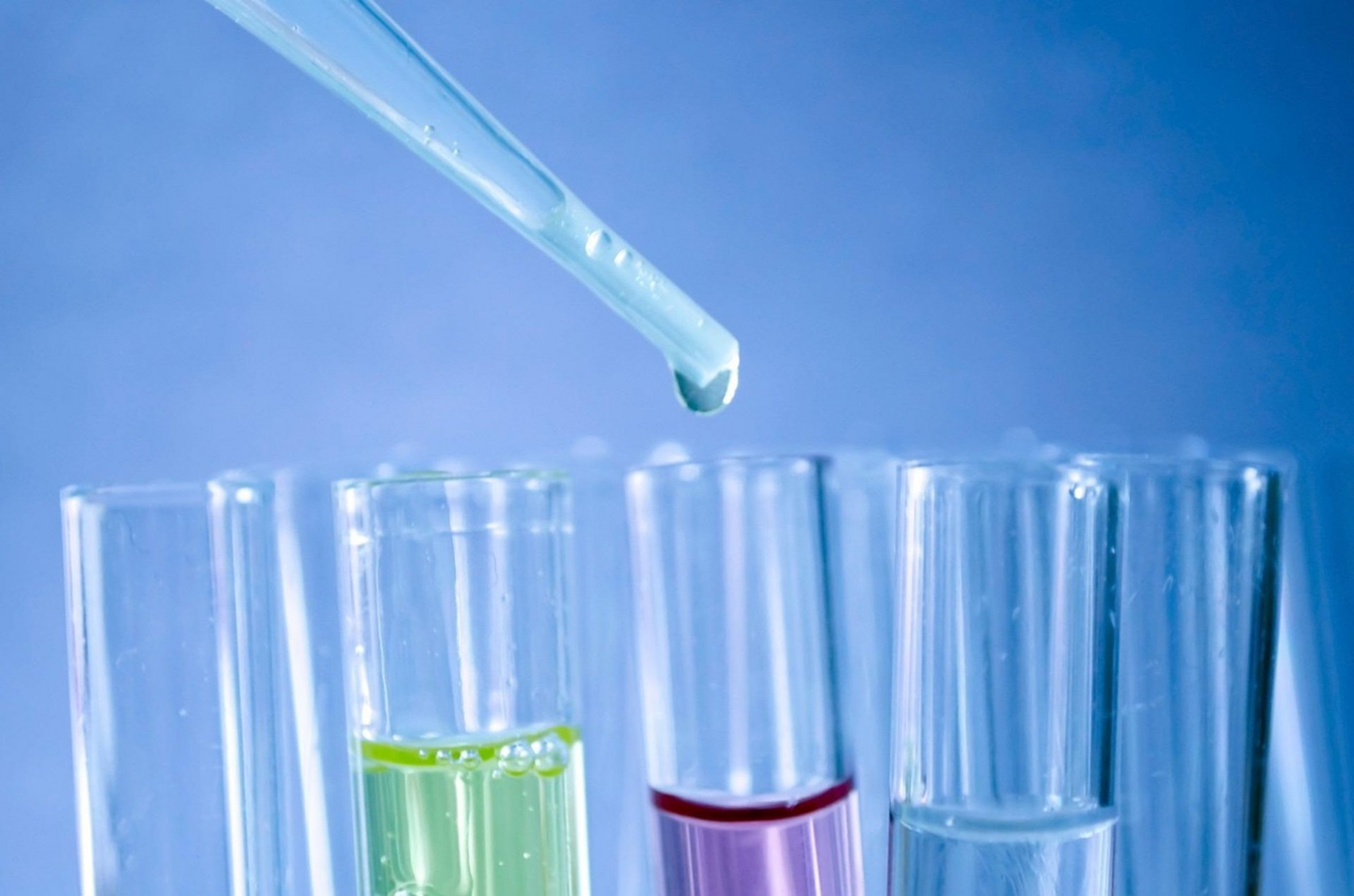
There’s no guessing the chemistry based off the water. Just because the water looks clear doesn’t mean it’s healthy. Get a decent liquid test kit for alkalinity, general hardness, and pH.
Test weekly. The numbers you see are the health of your ecosystem. Make adjustments gradually.
Whether it’s up or down, sudden changes is always stressful. Give the bacteria and the fish time to adjust with gradual corrections. I don’t want you trying to make Lake Malawi in a box.
I want you to give your cichlids a stable, mineral rich environment. This environment lets them be who they are. They can show off all of their colors and behave naturaly.
When the water’s right, everything about the fish look right. They get bright, bold, and active. Their dullness goes away.
The nipping tapers down. Life in the tank comes alive. It’s a simple change to what you do.
But it is the difference between keeping fish and really taking care of them. The world of your cichlid is the water. Make it a world he or she likes livivng in.
