
The reason is you bought convict cichlids. They’re inexpensive, tough, and have those stripey zebra patterns. When you set ’em up in your community tank, they gets along with most of your other fish.
For several weeks, you sit back and enjoy watching your fish dart about happily. Then one day, they don’t. They quit exploring.
How to Stop Convict Cichlids From Breeding
Understanding Convict Cichlid Territorial Behavior
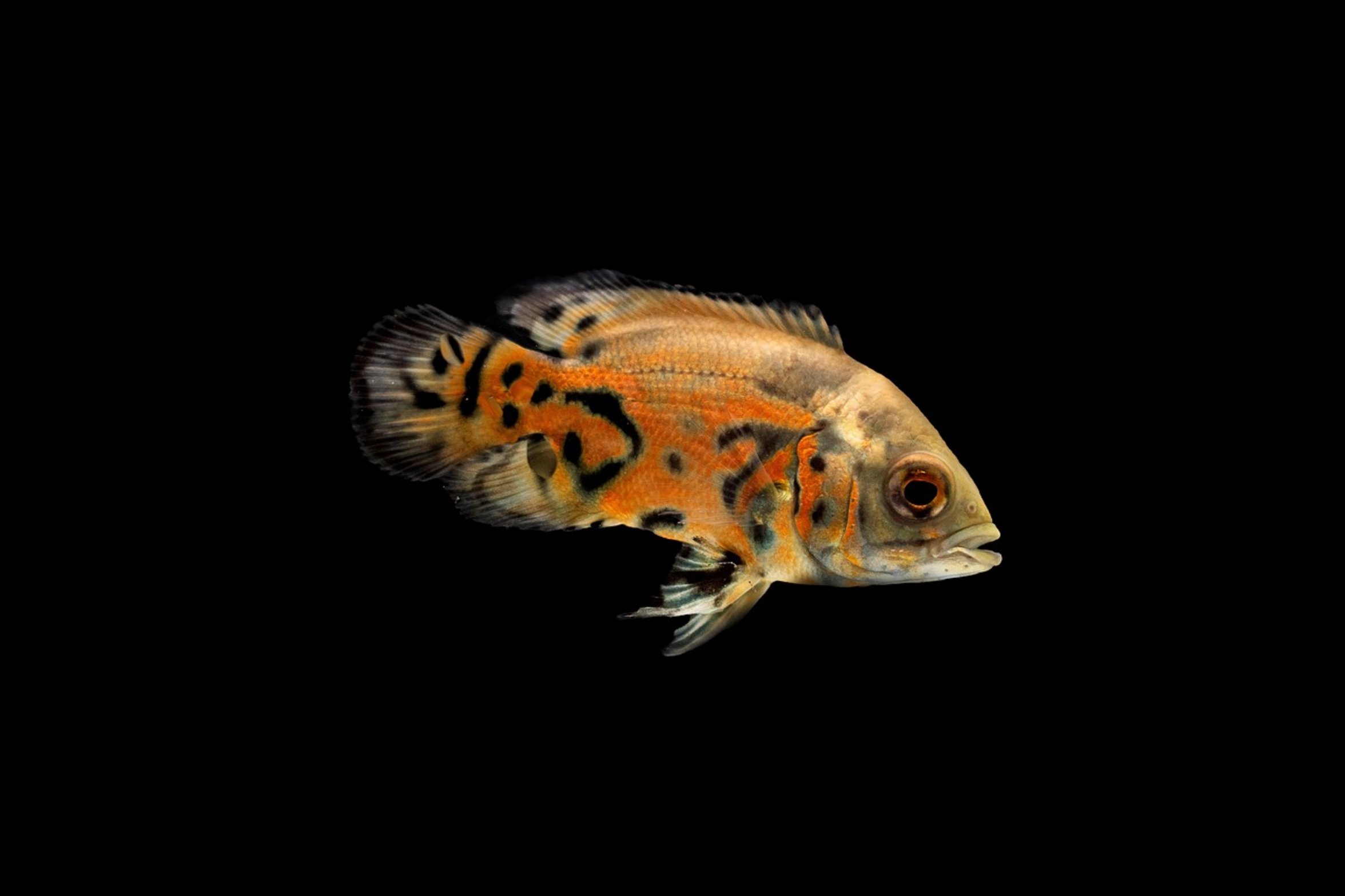
Suddenly, they stare at a rock. They start nudging each other into some obscure corner. The peaceful days has passed, and now the tank is full of conflict.
The reason this occurs is simple. Convict cichlids are extremely territorial as parents. I mean, they don’t breed out of love; they breed because their nature demands it.
And when they spawn, they’re going to protect those youngins with a viciousness unlike their stature would suggest. To prevent this, one must see that the fish behave according to their nature and act accordingly (i.e., manage the environment). You have to think like the fish but not necessarily like the fishs owner.
Removing Breeding Sites and Adjusting Lighting
A frequent error I see is that you’ve given them something visually to focus on as a target. Convicts are egg layers. They want someplace to lay their eggs AND a place to defend them.
So if you have a breeding cave in there, or even a flat, smooth rock, you’re inviting them to go ahead and breed. People do this thinking they can’t have any decoration in the tank, but then the fish will pick out a piece of driftwood or maybe the glass to use instead. The thing is, it isn’t so much what’s there, but rather there’s an unobstructed area defended by the pair where other fish don’t have a chance to escape.
Remove the stage before the play starts. Surprisingly enough, the behavior also has something to do with lighting. Consistent lighting (especially bright lighting), causes these hormones to be released and it’s time to get busy.
Twelve hour days of tank lighting? You’re turning the switch to “on” that tells them it’s time to get down to business. By reducing the photoperiod (shorter days) or dimming the lights, you may reduce their aggression.
Less light means less stimulation. It might sound counterintuitive, but the fish feel like the area is no longer a top spot, so they becomes more passive. This little change will often show results immediately.
Stocking Strategies and Schooling
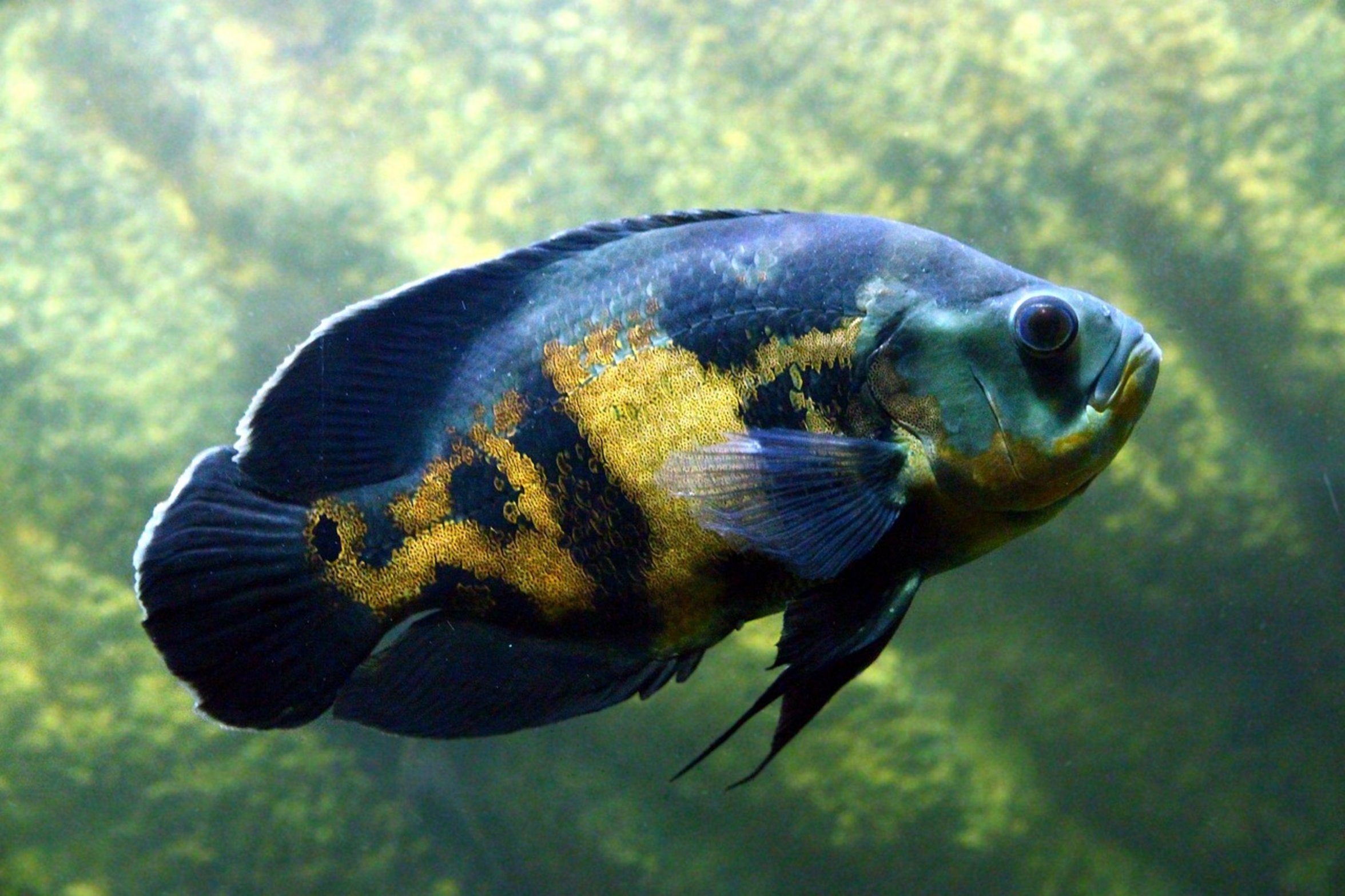
The other thing to consider, what is their company like? One female and one male is a perfect breeding storm. They bond fast to coordinate their attack(s).
The best option is to break up the pair and that’s not often fun. It won’t work to put them into a different tank with another pair as now you’ve created a breeding issue #2. So if there are two or three of each sex then you’ll keep them together in a larger school.
Four or six convicts will be more concerned about setting up the pecking order amongst themselves than reproducing, and so the aggression is spread out instead of directed at a single individual.
Feeding to Reduce Stress and Aggression
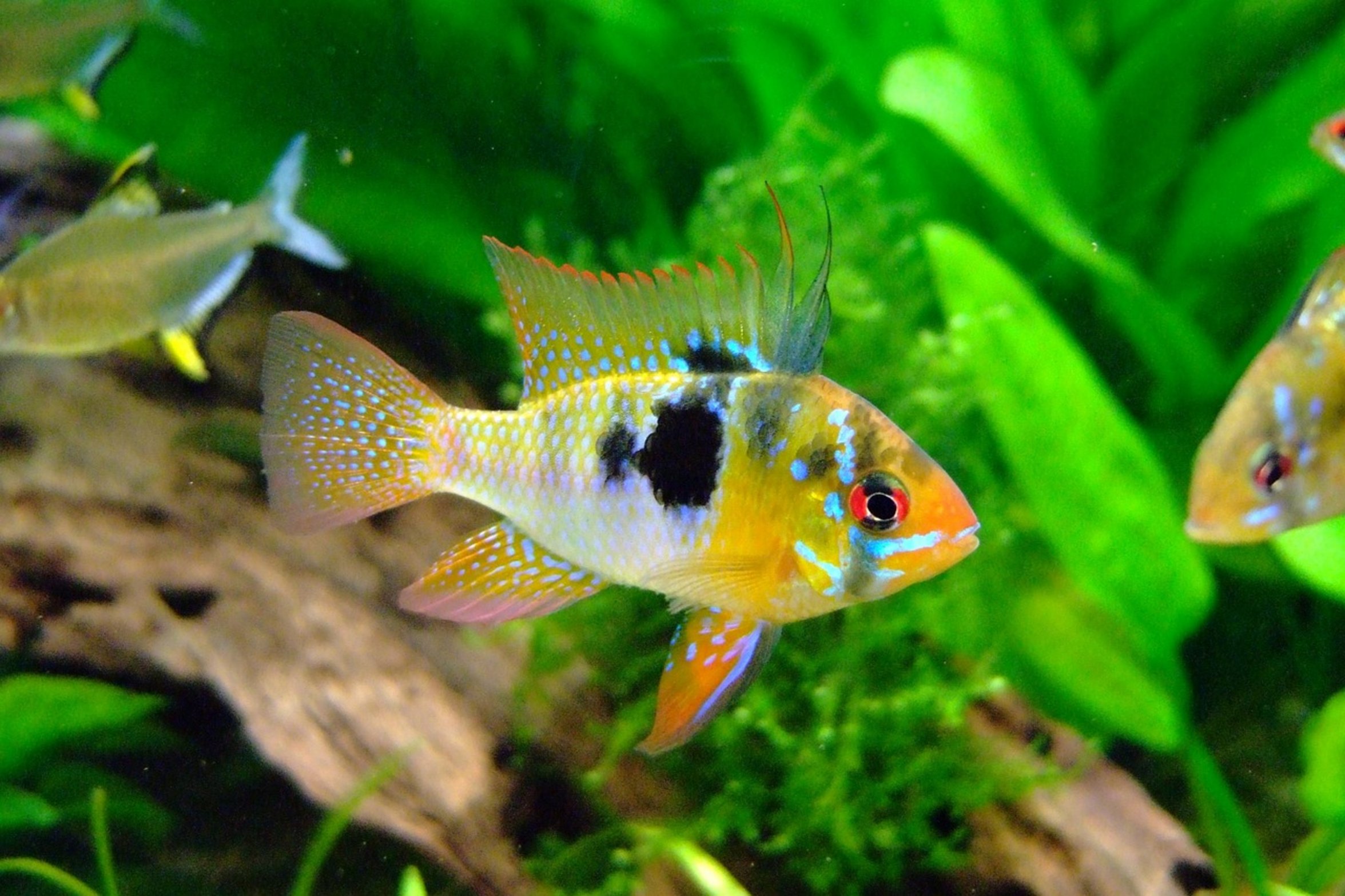
Their feeding behavior can affect their mood, too. Hungry fish = Stressed fish.
And stressed fish = territorial aggressive fish. Feed your fish small, frequent meals of good quality pellets or flakes. Cloudy water from over-feeding will only make the stress worse, and underfed fish will get mean and desperate for anything edible.
Figure out the sweet spot that leaves them satiated and less inclined to see others as rival/friends/rivals. A satiated convict is a bored convict, and that’s your pal in this situation. So, what do you do now?
Managing Fry and Protecting Community Fish
If you’re past the point of no return (i.e., there are fry) and you’ve already screwed up… well, you’ll just have to hurry. Parents will eat anything they perceive as smaller than themself. This includes other fish.
Get those fry or eggs out ASAP! They aren’t hard to get, just suck them up when you change the water. It’s a pain in the butt, but it has to be done.
Otherwise, you might as well write off your community tank at this point. That spot will become guarded by the parents until the fry are large enough to swim free (weeks). Tension will be high from here on out.
And trust me, don’t wait for mother nature to kick-in. If you care about maintaining your other fish, do something. Convict cichlids are what they are.
Conclusion: Accepting Their Nature
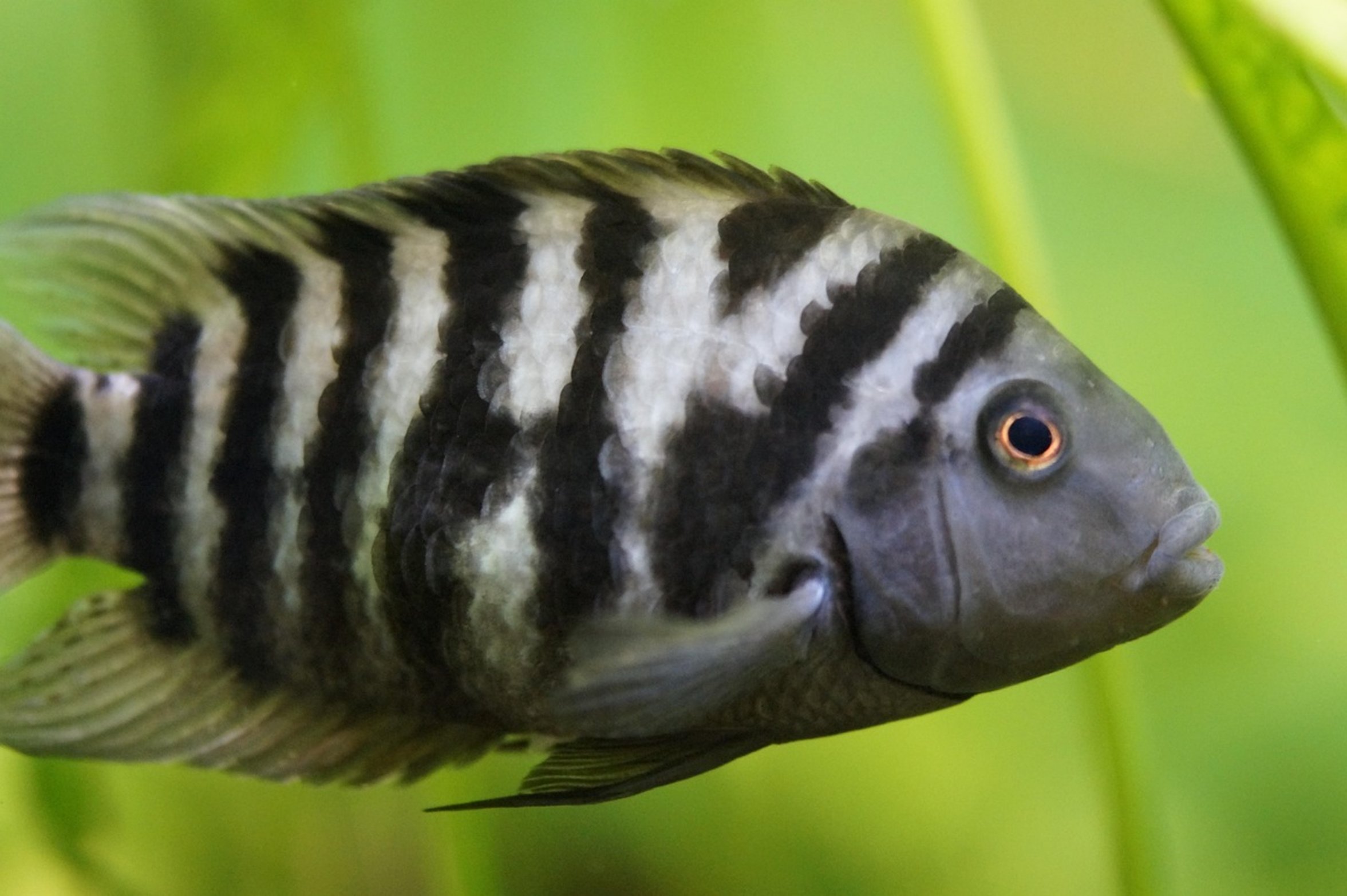
If you plan on keeping them in your tanks, you need to accept that fact. They’re predators. They’re parents.
They’re not dainty decorations. To coexist with convicts, you must be willing to intervene; you must set up your tanks strategically; and you must be vigilant. However, if you can achieve the proper balance, they make interesting house pets.
Don’t give in to their urge to breed. Hide those rocks and turn down those lights. I’m sure your other fish will thank you for it.
