
An aquarium doesn’t have to be all gaudy color to be fun. Black neon tetra aren’t as bright as rainbow tetras, nor are they as boldly striped than tiger barbs. They’re quite elegant.
From head to toe, their body is decorated with a thin black stripe interrupted only by their red eye and a slight iridescence that reflects the light. The key to keeping these fish happy is to think different about them. They’re not lazy bottom dwelling loners.
They’re not solitary fighters. In the wild they school naturaly and love company. They love steady water conditions too.
If you isolate them or treat them as an afterthought, they’ll get stressed. They will also lose color and become a drab gray. Instead, establish a setting for them where they can let their natural nature take over (one of being with others).
It’s then when a shy fish becomes a beautifull sight.
Black Neon Tetra Care Setup And Ideal Group Size
Understanding Black Neon Tetra Behavior
Everything starts with water quality. Neon tetra species; including black neons, come from the Amazon basin, which is typically a soft, tannin-stained body of water.
In other words, they’re accustomed to somewhat acidic water with fairly stable parameters. They don’t handle extreme fluctuations in temp or pH very well at all. Extreme fluctuations will stress these guys out fast, making them susceptible to diseases.
Maintaining Optimal Water Quality
Now, you don’t have to match what exists in the Amazon precisely, but you also shouldn’t use really hard/alkaline tap water. If your tap water has high mineral content or is chlorinated, use a water conditioner (this is non-negotiable). These are sensitive fish and boring water = stable water = boring water = good water.
Surprisingly, their behavior is heavily influenced by tank set up. Although they are an open water swimmer species, they don’t like being in a bare glass box. Dense planting along the edges and back of the tank provides sense of security.
Setting Up the Tank Environment
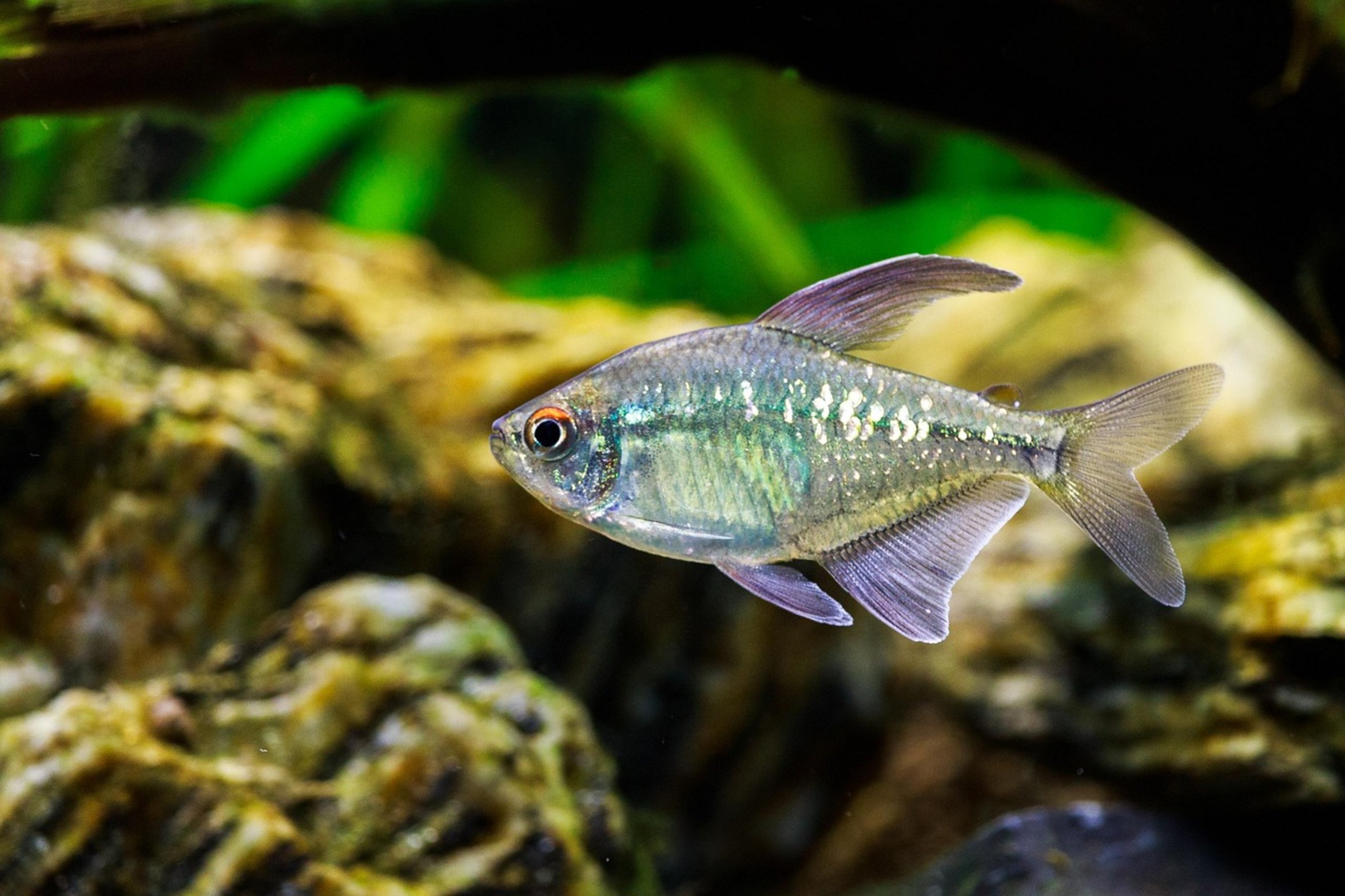
Planting the back and sides of the tank with dense vegetation does the trick. Anubias and java fern (which root into hardscape instead of the substrate) are good choices since they keeps the bottom area clear. I use a dark substrate which contrasts nicely against their pale coloration and makes the black stripe stand out.
Leave the center of the tank open so that they can swim around. Doing this will train them to zip across the middle of the tank instead of hiding in corners. Moderate lighting is best; not too bright or they will get stressed out.
Feeding and Lighting Requirements
Not enough light and you’ll have trouble seeing their subtle iridescence. Diffuse light is best as well. The soft light lets them grow without creating glare.
This prevents reflections on the water’s surface from stressing the fish. Adding something that breaks up the surface tension can be a good idea too such as a floating plant like frogbit. It gives some cover and helps make the fish feel more secure.
Frogbit can also help control algae so the water stays cleaner longer. They’re omnivores, so give them a variety of foods. Because they have tiny mouths, large pellets/flakes won’t likely be eaten.
Begin feeding very fine flake food (crush it) or good quality micro-pellets. Add some live or frozen food such as daphnia and brine shrimp. This is similar to what they would encounter in nature, insects and other larvae.
Observe them during feeding time. Do not overfeed! If food remains on the substrate, you’re overfeeding.
Overfed food breaks down, increases ammonia, and ruins your previously established water quality. Feed small amounts 2-3x/day instead of one big meal.
Schooling and Tank Mate Compatibility
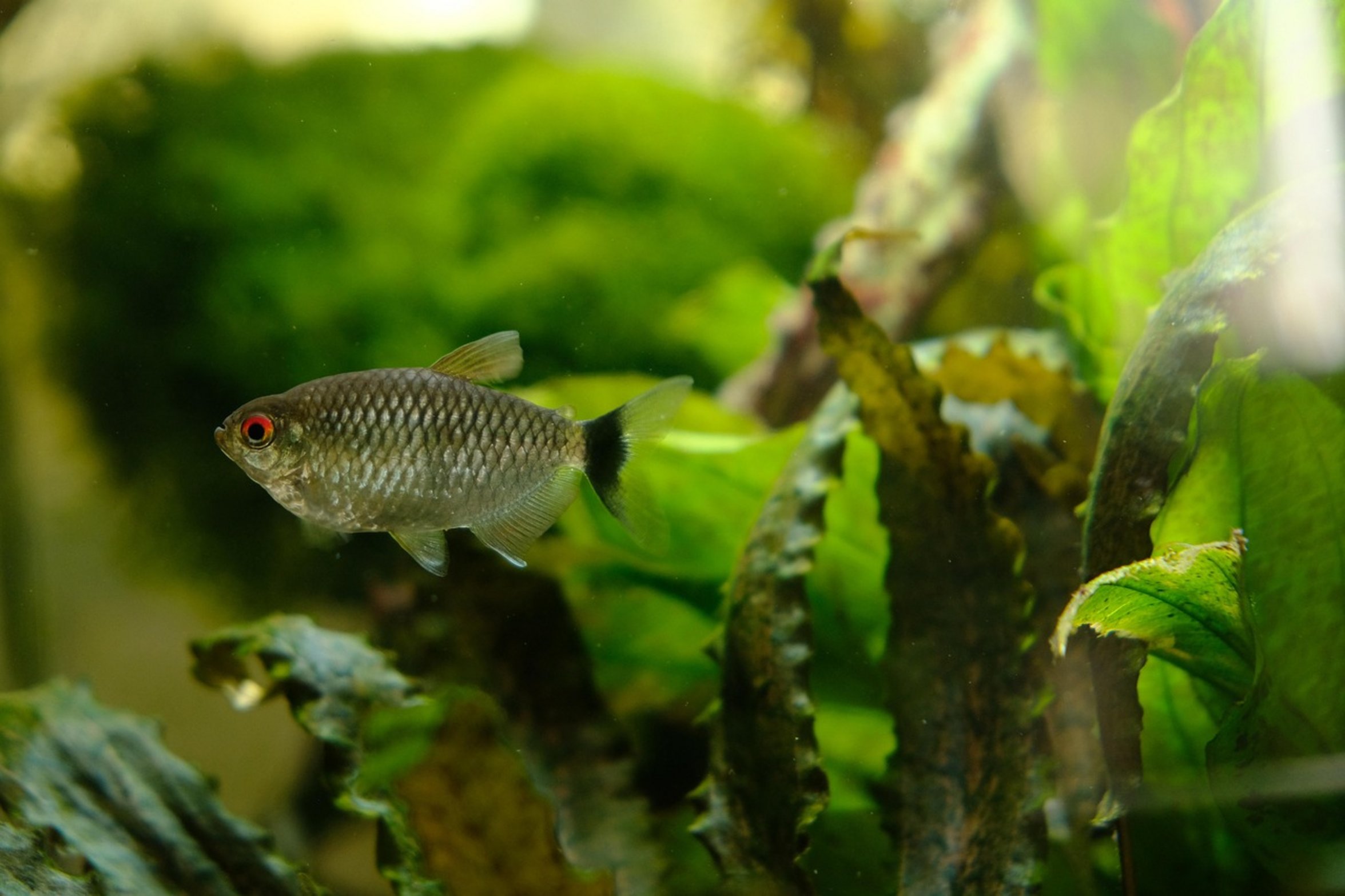
The most important thing to consider for them is group size.
They must live in schools. Not only do they need a large school of their own kind for protection (they form big schools in the wild), but also in order to be comfortable. If you have a trio or a pair, those fish will spend most of their time huddling up in a corner, stressed out.
For natural schooling behavior, you should of had at least six. Even better would be eight or ten. The bigger the school, the more confident the fish will be.
They’ll be less afraid to come out, start exploring the tank, and show off all their colors. It’s not a luxurios thing. They need this to live well.
Another consideration is tank mate compatibility. Don’t house them with nippy species or any other type of aggressive tankmates. In fact, black neons is slow eaters and peaceful fish.
They can get out-competed by bigger tetras as well as fast-moving species such as some corydoras. House them with other relaxed community fish about the same size as them. Guppies and rasboras are good choices.
Just make sure no one ever bullies them. Their natural beauty will show in a tank where everyone gets along.
While there are several things to consider when setting up an aquarium for your black neons, creating the appropriate habitat isn’t complicated.
You just need to maintain consistent water quality, ensure they have enough room, and keep them in a large enough group (a school). Do that and you’ll enjoy a lively tank full of thriving fish that repay you with a graceful, quiet show that rewards good care and patience.
