
Don’t mistake the zebra danio for a low-maintenance fish. Don’t consider this species just another entry-level species. While it’s quick, colorful, and seemingly uncomplicated, the zebra danio is actualy quite demanding.
Zebra danios is popular among first-time aquarists due to their sociable nature and lively behavior. Unfortunately, most novices don’t succeed with them. Why?
They don’t give them enough room or enough companionship. Such neglect leads to unhealthy fish. These sickly individual become stressed and diseased.
Essential Care Tips for Zebra Danio Owners
The Myth of Low Maintenance
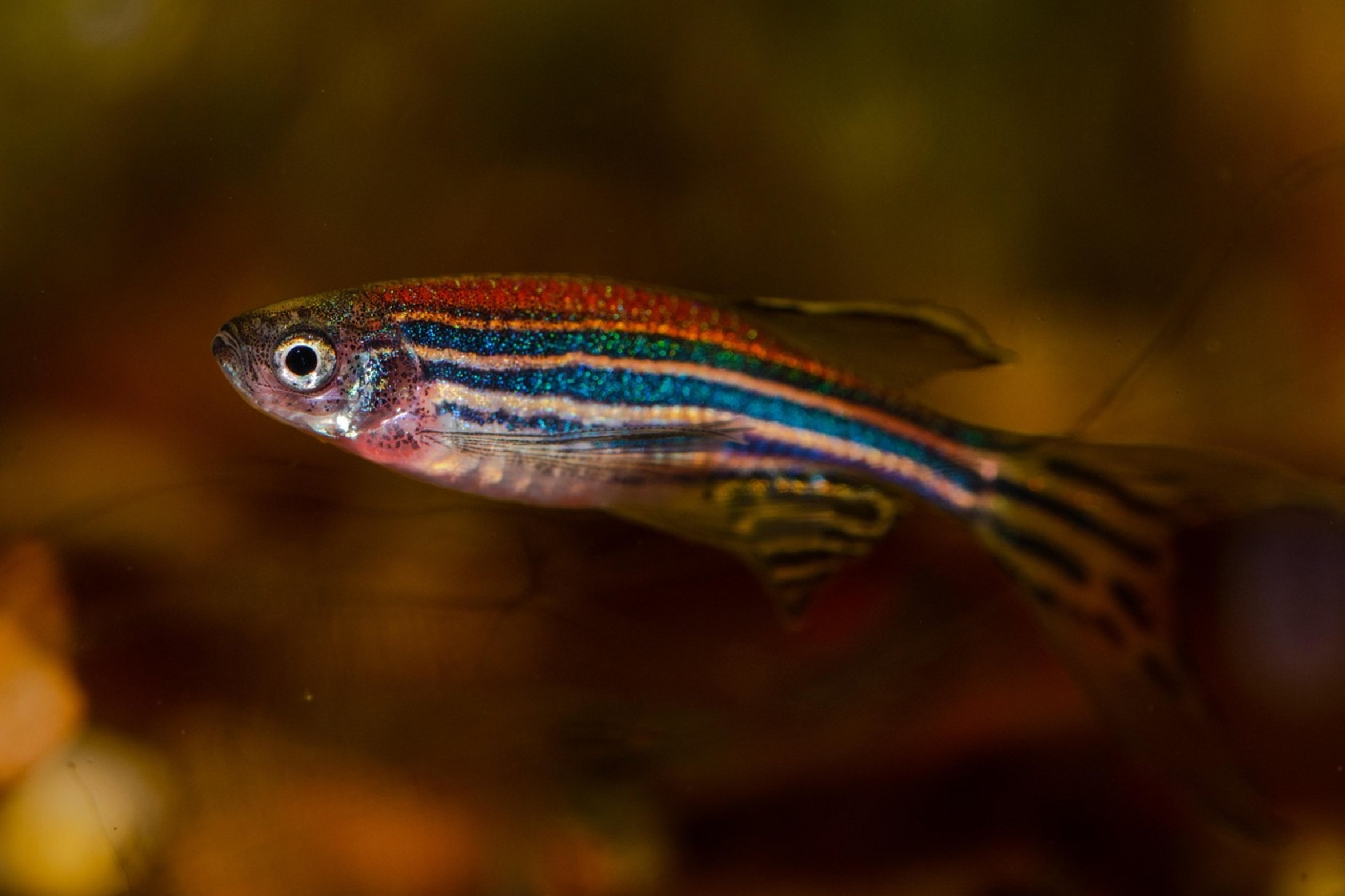
Keeping the zebra danio alive depend on understanding its biology. What’s the best environment for this fish? Clean water high in dissolved oxygen is number one with zebrafish.
Tank Shape and Size Requirements
They originate from fast flowing stream in South Asia. Don’t get them a small bowl or nano tank. Get a long tank.
Not a tall tank, but a long tank. Their bodies are designed to swim horizontally and the length of the tank give them that opportunity. One end to another.
Ten gallons is minimum if you’re housing just a few. Twenty gallon long is preferred. The tank’s shape matter more then its size.
The Zebra danios are runners. They never stop swimming from one end to another. Putting them in a cube-shaped aquarium cause them to hit the glass frequently.
It’s stressful for them and wear down their body over time. The solution is to use a long and narrow tank which resemble their native river environment. That way they can travel as fast as possible without making any sharp turns.
Such a difference in tank shape decrease aggression and maintains the coloration of the zebra danio. The other thing that they require for their well being is stable temperatures. These fish prefers cooler water then most tropical species.
Ideal Water Temperature
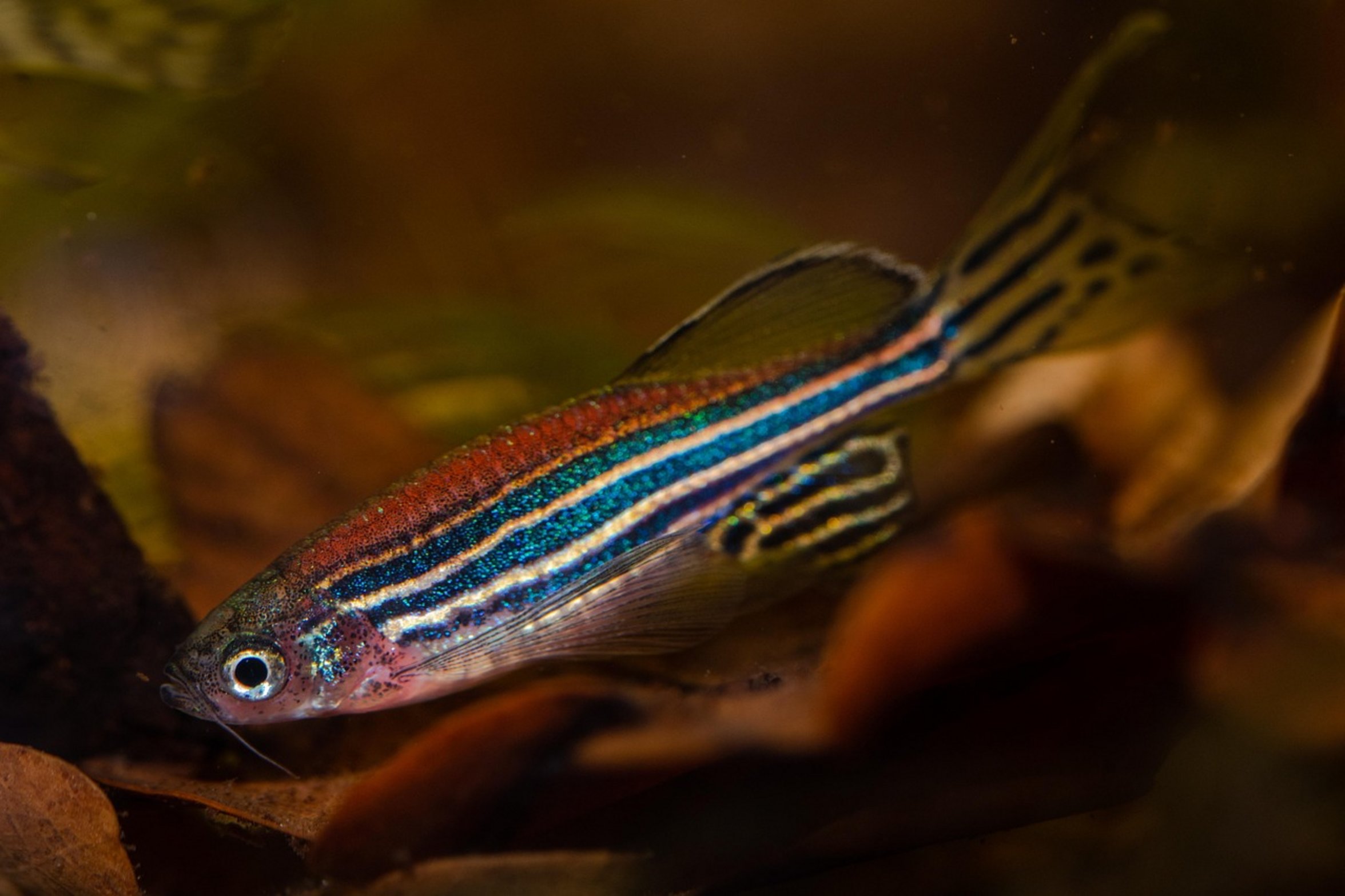
They like the temperature of the tank to be between sixty-four and seventy-four degrees Fahrenheit. Why? Because warm water does not hold as much oxygen as cool water, a higher temperature will increase its metabolism, resulting in an increased need for food and oxygen.
Zebra danios are active swimmers, so overheating them can decreases oxygen availability to harmful levels. Using a regular tropical heater might be dangerous to your fish because it could drive up the temperature beyond what is good for them. Get some zebra danios, and you have to have a school.
Schooling Behavior
These guys is very social. Keeping them alone will cause severe stress, which can ultimate result in death. To establish a good dynamic in your tank, you should of have at least 5-6 of these guys together.
That way, they can interact with each other and know that they’re safe. A single danio doesn’t stand a chance. You won’t be able to sustain keeping only a few (i.e., 1 or 2).
Get a school. They need regular feeding with variety. Zebra danios are omnivorous fish with small mouths.
Feeding and Nutrition
Although they will consume flake food, it is not as good for them as a mix of high quality micro pellets, occasional frozen brine shrimp, and daphnia. Small frequent meals is best, better than one big meal. That way, they won’t take in too much and leave the food to rot.
Rotting food degrade water quality, which impacts the zebra danio’s health. Since most new fish keepers don’t pay attention to maintenance, this is crucial. Because danios are active fish, they will make a lot of waste.
Water Quality and Filtration
Therefore, you must have a good mechanical filtration setup based off strong water flow and include an adequate filter. Perform regular 20% weekly water changes. Also, test your water frequently for nitrates and ammonia.
If either spikes, do a water change right away. Many folks confuse the zebra danio’s hardiness with being invincible. While it is hardy, it will succumb to improper care.
To keep zebra danios, you have to understand what they are. Zebra danios is active, social, and speedy little fish. If you set them up correctly (i.e., with a school of at least 6), a long tank, and a cool water temperature, they will exhibit their synchronized swimming behavior.
That’s a good deal. Set ’em up right by providing appropriate conditions and space, and they’ll reward you with an entertaining show.
