
There’s something peaceful about seeing a tank full of little fish. Maybe you begins with the Zebra Danio. Hardy and forgiving, these guy will accept pretty much anything thrown at them (literally (they’ll even eat most anythings)).
Getting them to breed, however, takes more than just passive keeping; it requires actively managing your tank. Unless you have livebearers, most hobbyist assume their fish would breed if they’re healthy. This is not necessarily true.
Breeding Zebra Danios: A Step-By-Step Guide
Understanding Zebra Danio Breeding Behavior
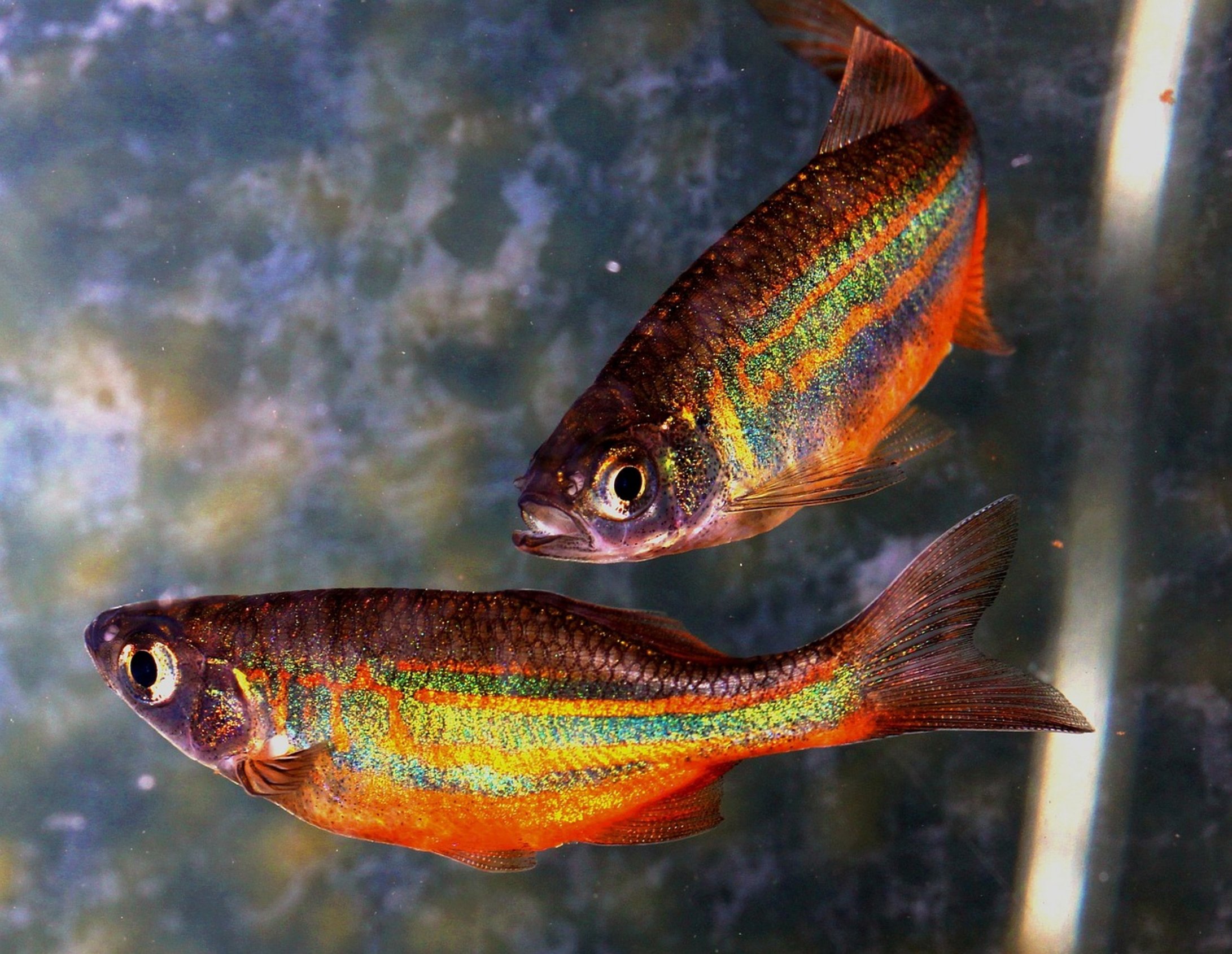
The danio is a scatter spawner, i.e., they simply drop their eggs in the water column. If you do nothing, adult will consume all of them prior to hatching. The solution: remove parents from fry.
It’s not that hard, but it does require some precision. Throwing a breeding box in the corner isn’t going to work; the conditions must be right, and you should of have a plan for what to do when the fry emerge. What are you trying to accomplish?
Selecting and Conditioning Breeding Stock
Make them so comfortabley that they spawn and give offspring a fighting chance. Step one is stock selection. Pick out healthy, mature adult.
Females tend to be more pale, and males has a brighter orange stripe (generally speaking). For a good ratio, keep it at 1 male : 2 females. Why?
Because if one of your female gets harassed by the male too much, she’ll become stressed which kills breeding success. Put them into their own breeding tank so they can acclimated for a couple of weeks. Don’t overstock this tank.
Because if one of your female gets harassed by the male too much, she’ll become stressed which leads to a loss of breeding success. Put them into their own breeding tank so they can acclimated for a couple of weeks. Don’t overstock this tank.
Conditioning the fish covers the “when” and “what do they eat?” parts of the process. Feed high protein food (daphnia, brine shrimp) for a week or so. These high protein foods increases their reserve for producing eggs.
While doing this, change water regularly. Clean water tell the fish that everything is stable. Taper the lights down some at night.
Preparing the Breeding Tank and Box
A longer darker time copies environment and can start hormonal change. It is a very slight change but the fish know when things are changing. And now we come to the important part… separating.
It is time for some type of breeding box or at least an area partitioned off in the tank with something like a mesh bottom. Something that has holes big enough so the adults can’t goes through but small enough that eggs will fall through. Put the breeding box in the tank prior to putting fish in there so they don’t see it as their death.
Spawning Process and Egg Protection
Pull out any other decorations/plants in immediate vicinity. You are looking for a simple, open space. At night or other low-light conditions, introduce the conditioned fish to the breeding box.
Bright lights stresses the fish and may prevents them from spawning. Don’t disturb them. In most cases, they’ll spawn in the first several hours.
You’ll notice males chasing the female, nudging her as she release eggs. When you witness egg scattering on the mesh, immediately take out the adults. Otherwise, they’ll devour the rest of the eggs.
Go fast. You’ll notice that the eggs are realy small and clear. They should hatch within a couple of days (48 hours).
Until then, don’t agitate the water. Hard water flow can harms the embryo’s development. Water changes?
Wait to do them till after hatching. Be consistent. Once they start swimming up, they’re very tiny and vulnerable.
Raising Fry and Managing Growth
Feed them special fry food or infusoria at first. Their mouth isn’t big enough to eat regular flake yet. Raising the fry is part of the work.
Feed several times daily. Don’t over feed; that will fouls the water. Add some baby brine shrimp as they mature.
Brine shrimp are high in protein and promote rapid growth. After a couple of weeks, separate the larger fry from the smaller fry. Cannibalism occur because of size.
You might has to cull to let winners thrive. The result is a fulfilling effort and exercise in patience. You begin to read your fish.
You realize you understand their needs beyond just survival. Seeing a cloud of tiny zebra danios darting around freely makes it all worthwhile. Your tank becomes less a display and more an ecosystem.
You haven’t merely maintained some fish, but assisted in creating life. And that is the reward.
