
A community tank are not complete without some Gold Barbs. If you’re new to the hobby or just looking for something easy, these fish don’t require all of your attention. Instead, they are a nice addition because they school and roam freely in middle of water.
Because of this, a beginner should of have no problem maintaining them as long as care is taken (they forgive some errors). Most new owners gets tripped up by water parameters and tank mates. It is easy to buy a fish on a whim but harder to build an ecosystem that supports it.
For example, the Gold Barb require cool water (72-79°F), lots of swimming room, and tank mates who don’t bully it. You can fix this with a simple purchase to create a thriving display. Caring for physical aspects of a Gold Barb isn’t difficult, but it’s not easy, either.
Complete Guide To Caring For Gold Barbs
Gold Barb Fish Overview
They’re quite hardy and can tolerates minor (not major) shifts in pH/temperature better then other sensitive species such as angelfish and discus. That doesn’t mean you need a lab aquarium to house them. If you’re maintaining proper water quality via regular partial water changes, then a simple freshwater community tank will be enough.
Remember: regular water changes is more important than expensive equipment. Their health depend on water quality. Gold Barbs has some preference regarding water parameters.
Water Temperature and Quality
The source does not mention specific hardness or ppm levels for their water. They also like the pH of the water to be somewhat neutral to slightly acidic (pH 6.0, 7.5). The temperature should be between 72 and 79 degrees Fahrenheit.
Notice the upper end of that range? Many tropical fish don’t like it when the water becomes too warm. High temperatures causes stress which leads to disease.
If your tank heater is running hot, your Gold Barbs will let you know by becoming lethargic and losing color. Keeping their environment clean and cool is the best way to keep them healthy. Avoid problems by consistently testing your water.
Feeding Gold Barbs
What do you feed them? Since they are omnivore, they’ll accept just about any diet, from flakes to sinking pellets to live foods such as bloodworms. Variety is good to keep them from getting bored.
It is also necessary to provide the nutrition needed for those brilliant golden scales. One wrong move is over-feeding. Whatever doesn’t get eaten within two minutes will rot and foul the tank.
The result: ammonia spikes, which will stress the fish. Feed twice daily; only provide what gets eaten within two minutes. Observe when feeding, but remember, these are active feeders.
Begging isn’t unusual.
Social Behavior and Tank Mates
The Gold Barb is also a good community fish. They’re social and active.
They do best in school of 6 or more. Barbs kept alone will be stressed and shy, spending much time in corners. In a group, they feel safe enough to show their true personalities.
Though they’re typically peaceful, don’t mistake that for being a pushover. They’ve got some spine (literally); they’ve got dorsal fin spines which they’ll erect when threatened. It’s a protective stance that keeps most predator away and establishes territory without any fuss.
When choosing compatible tank mates, remember to match their energy level and size. Gold Barbs is mid-level swimming fish that may nip at slow-moving fish. Therefore, keep them with other middle-level fish (e.g., rasboras, tetras).
Because they will play chasing games, stay away from long-finned, slower moving fish like guppies and bettas. They might nip at them, which isn’t malicious, just instinctive. Sturdy, fast moving companions are ideal.
Adding bottom dwellers like corydoras catfish adds interest while not competing for space. Simply match their energy levels so no one gets picked on or feels crowded.
Tank Size and Setup
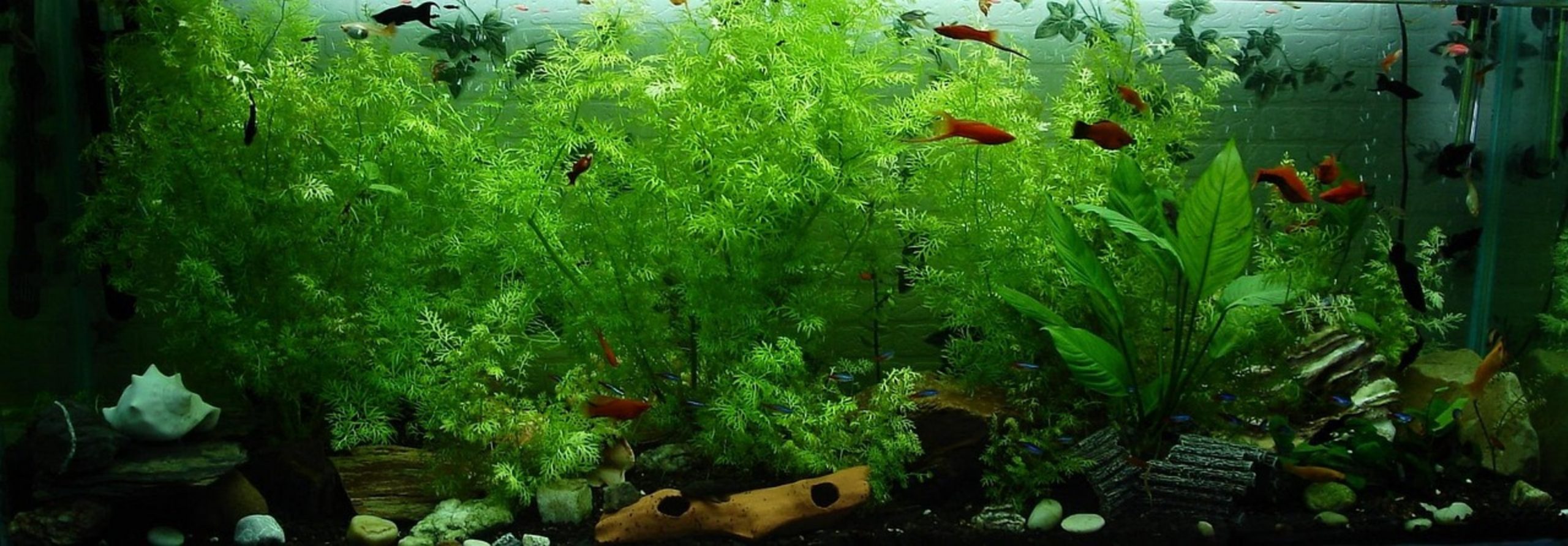
The tank size should be considered because these is fast little fish, but they are still small.
They need some space. You need at least 20 gallons for a proper school. More would of been better.
You want to have room for your fish to establish territory and move around. That will require live plants. Live plants break up line of sight.
Give your fish something to hide behind. Live plants absorbs nitrates, which helps keep water quality good. A planted tank also mimics their natural environment.
It reduces stress on your fish while improving color. The more room you have the more confident your fish will be.
To conclude.
Gold Barbs aren’t difficult to keep. Yes, they’re finicky in regards to social requirements, but that’s not really as hard as some people make out. Simply respect them and you’ll have a healthy, active aquarium.
Give ’em a little space, some clean water, and company, and you’ve got a happy Gold Barb. You’ll know because they won’t even acknowledge you exist. They’ll be darting around in there.
And that’s what you get for doing the basics properly, satisfaction. Every time you pass by your tank, you’ll see a sign of how stable everything is in there.
