
It’s tempting: “I’ll just get one.” You visit the pet store and purchase a comet goldfish. The clerk says it need nothing more than a five gallon bowl. After all, what harm can a little thing like that do?
Little does she know that before too long, the fish will be swimming with intensity of a runner trapped in a closet. Comet goldfish are strong swimmers; they’re sturdy, durable creatures. They is also quite large.
Once you learn their character, how you maintain them shift. What was a passing impulse purchase becomes a long investment in filtration and space. These fish aren’t hard.
They’re really, really easy to begin keeping, and then brutally difficult to keep properly over time. This cause most of us to fail at keeping our fish. We think that as long as we have a small tank, the fish will remain small.
That’s not how nature works. Healthy goldfish do NOT get stunted when kept in a confined space. They gets stunted when they get unhealthy.
Essential Care Tips For Comet Goldfish
Comet Goldfish Size and Growth Potential
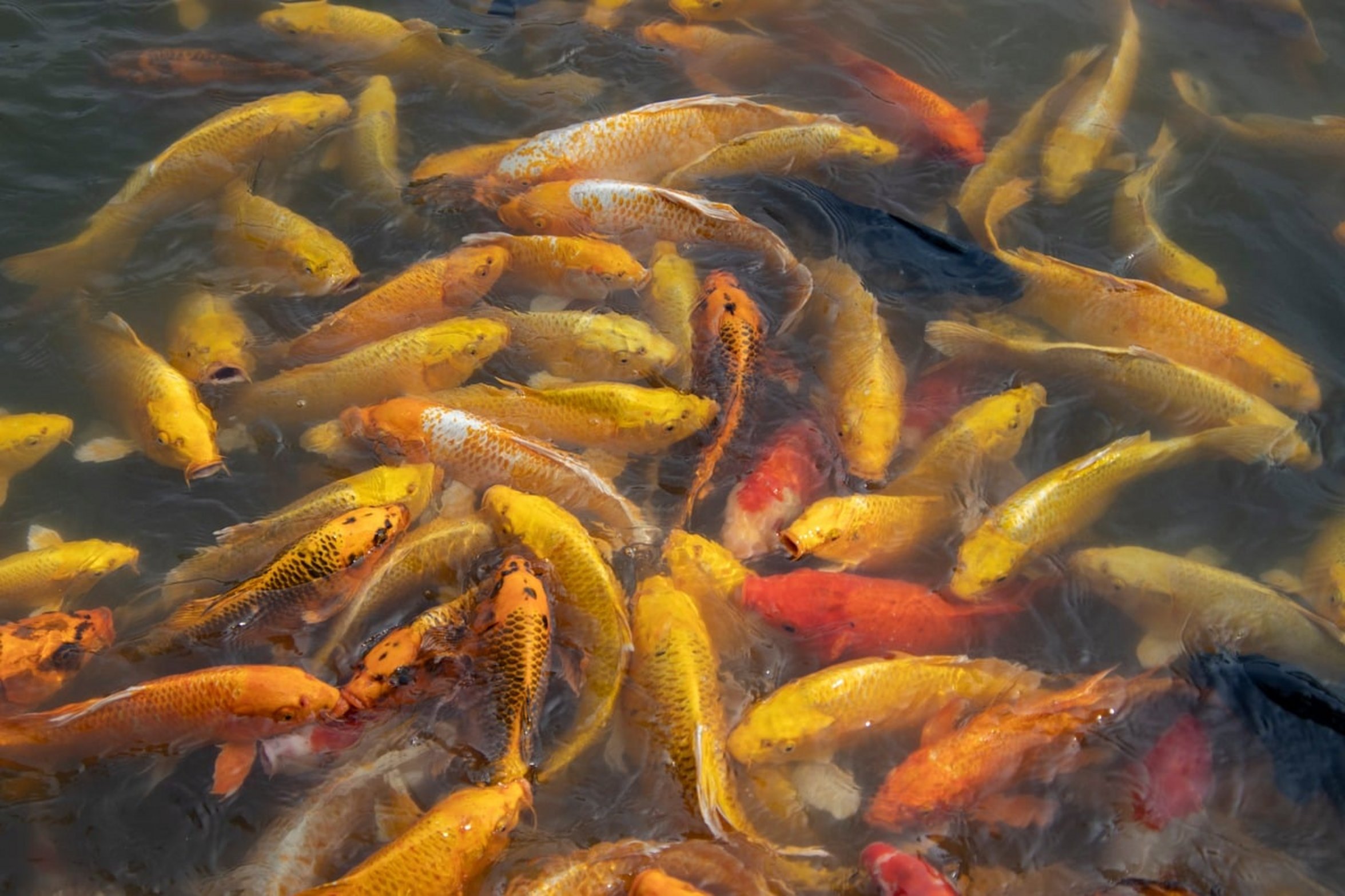
And they grow regardless, while their organs fights to handle the waste they produce in such a tiny space. First of all, you should of know that comet goldfish get up to twelve or fourteen inches long. That’s bigger than many tropical fish you’ll find in an aquarium.
In fact, it’s larger than most tropical aquarium inhabitants. And it has one very long flowing tail trailing behind it. Comet goldfish are beautiful but they’re clumsy too.
They don’t swim well around corners. They aren’t good at navigating small areas.
Choosing the Right Tank Size
If your tank holds only ten gallons, and you put a twelve-inch fish in there, you aren’t keeping a pet.
You’re running a prison. Yes, the fish will survive, but it won’t be happy. It will be stunted, stressed out, and ill.
The other thing that surprises new owners about goldfish is how fast they will grow. If you feed them right, they’ll double in size within one year. As I said, they expand at an alarming rate.
So you have to upgrade your tank long before your fish has run out of space. Don’t wait until your fish appears cramped. If it does, chances are the water quality has been harm.
Filtration Needs and Maintenance
Remember that goldfish are messy eaters. They produce lots of waste. And that waste breaks down into toxic substances, ammonia and nitrites.
No matter what size tank you have, it can’t handle that kind of load without round-the-clock, exhausting maintenance. Most setups falter at filtration. Use a filter capable of handling two to three times as many gallons as your actual set-up.
If you house a comet in a ten gallon tank, use a filter rated for at least twenty or thirty gallons. That gives you both the biological and mechanical capacity to handle high bioload. Great filters for this task is canisters since they hold plenty of media and are capable of very high flow rates.
Good hang-on-the-back filters also work, but they often lack the raw power required by adult goldfish. Inadequate filtration equals sick fish and cloudy water.
Temperature Control Without Heaters
Another myth is heating.
Comet goldfish are a coldwater species that do not require a heater. Because heaters raise the metabolism of a fish (and therefore, its oxygen requirement), too much heat will accelerate their metabolism, shortening their life. Water should be maintained around sixty to seventy-two degrees.
Maintaining cool temperatures has two benefits. It will keep them comfortabley, while slowing down their growth a bit to help with size control. Your goldfish don’t need you to make your room a sauna.
A cool tank is a happy tank.
Selecting Compatible Tank Mates
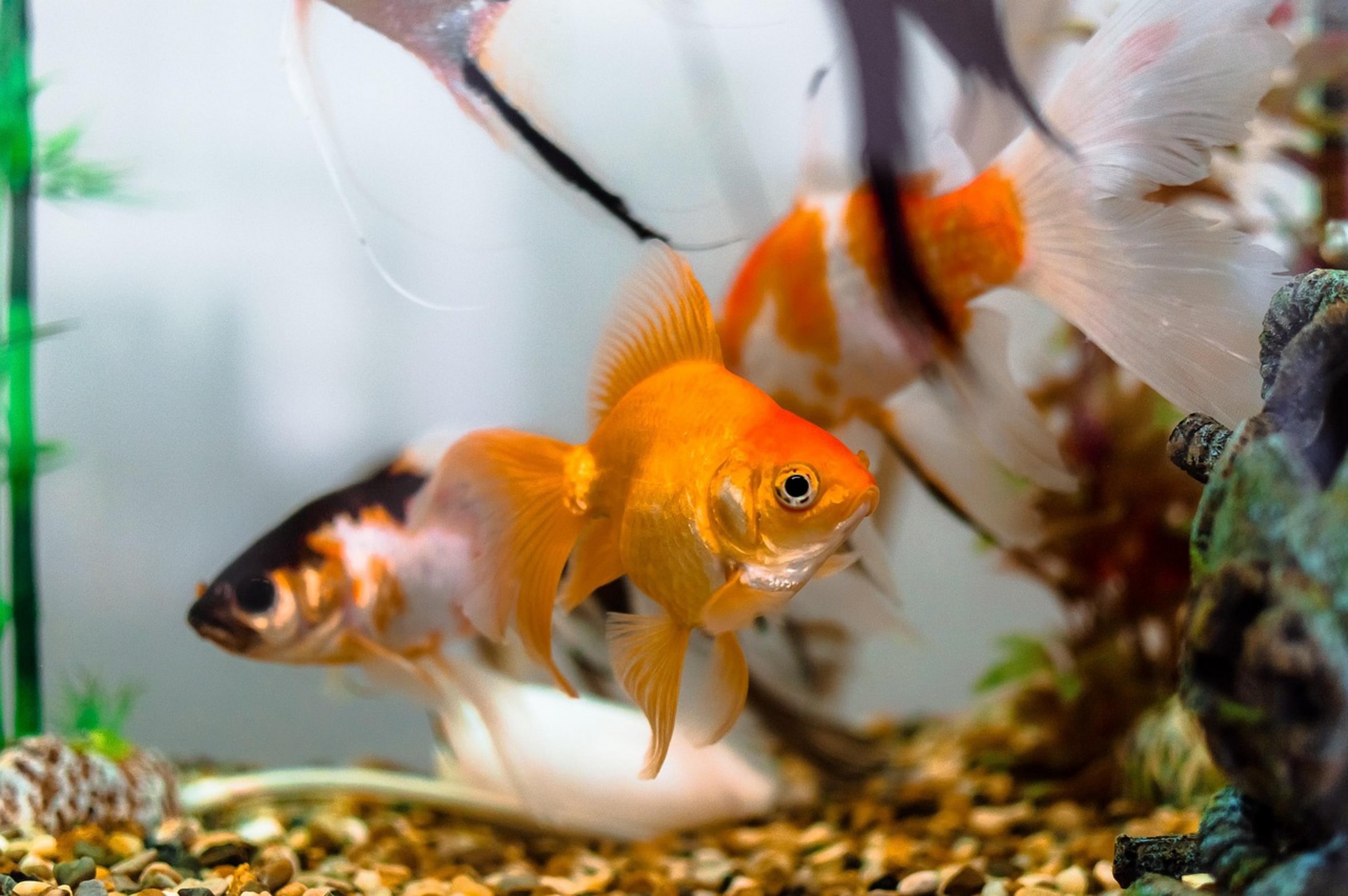
Choosing tank mates gets tricky. Goldfish aren’t really an aggressive species, but they are territorial over food.
If it fits into their mouth, then it’s on the menu. This includes the fins of slower swimming fish like bettas or guppies. Generally, keeping multiple goldfish together is your best bet.
Since they each create the same amount of waste, there shouldn’t be any issues. They also require similar amounts of space. When you mix species, things gets dicey because of mis-matched requirements.
You could make sure the goldfish are happy, while starving out the rest of the community fish. Or you can do the opposite. Just keep it simple and stick to one species.
Feeding Tips and Diet Essentials
Feeding fish is easy, but you must be disciplined. Because goldfish don’t have stomachs, they graze all day long. The biggest problem with water quality is overfeeding.
The solution is to feed only small amounts twice daily, then remove uneaten food within five minutes. Best foods are high-quality pellets or sinking wafers. Avoid floating flakes, as these can lead to bloating since the fish swallows air when trying to eat them.
With sinking food, there’s nothing for them to swallow except the actual food itself, allowing them to eat naturaly without ingesting air pockets. This minor adjustment can help prevent swim bladder issues, one of the most common ailments in goldfish.
Ideal Tank Shape and Layout
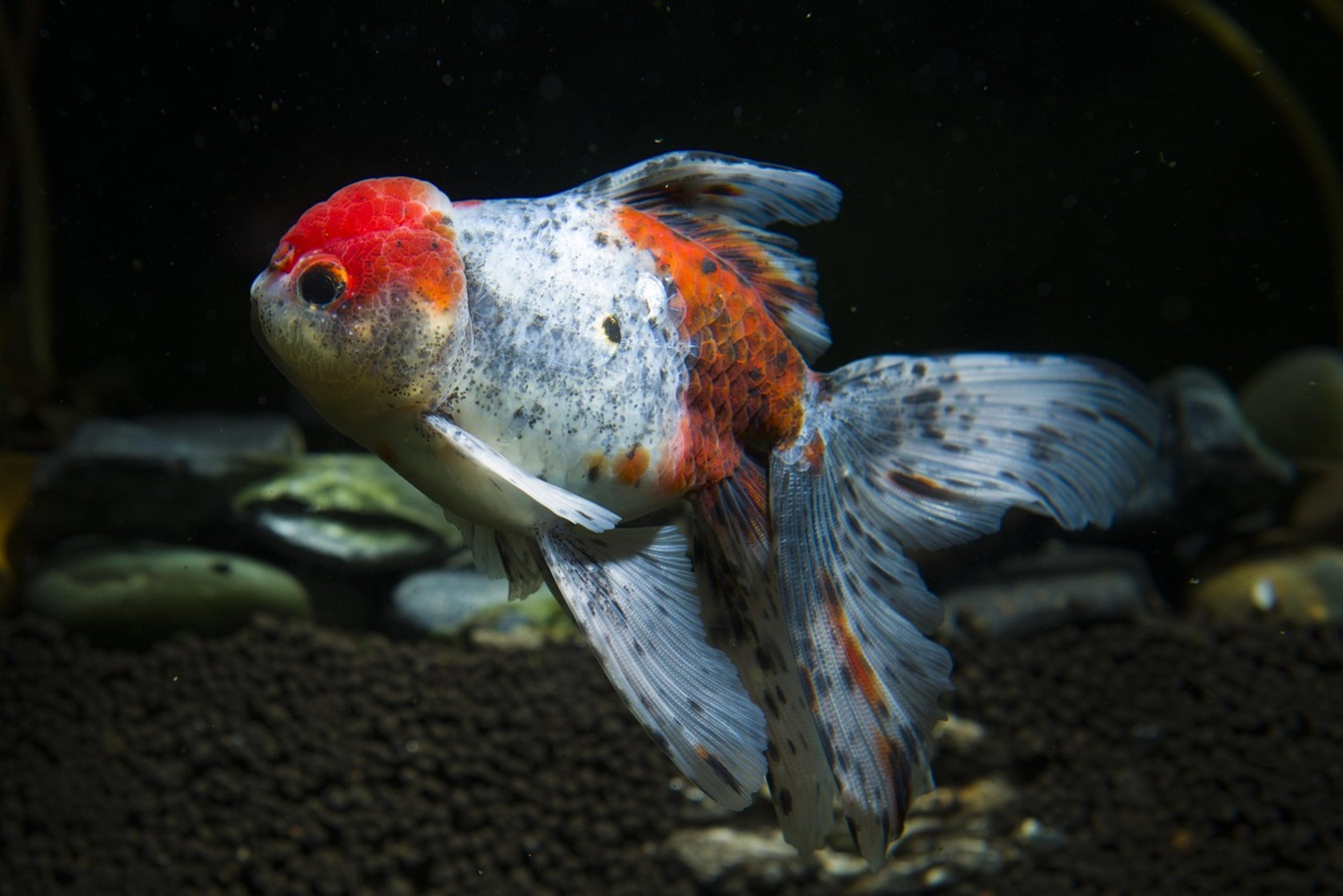
Beyond equipment, design of your set-up should emphasize shape more than depth.
Go with a long (shallow) tank instead of a tall (narrow) tank. Because comets are swimmers, you want length not height. A twenty nine gallon long tank is a great starting point.
This will give you plenty of surface area for gas exchange as well as room to swim around. You’ll do much better avoiding any sort of bowl or betta tank altogether. These simply don’t have enough surface area nor volume to maintain healthy water parameters.
A quality tank is an investment that pays off in healthy fish and less maintenance. Comet goldfish make great pets…for someone. They’re resilient, long lived (some live more than 10 years under good care), and interactive.
They also require clean, cool water, good filtration, and lots of space. For the right person, this fish will pay off in return for your investment, providing an amazing, active companion. However, if you’re not up for the task, then look into another species.
Don’t deprive a hardy fish of a nice home because you want to keep it in a box. Provide it with what it needs and it’ll reward you with something special.
