
The goldfish that used to be a bright orange comet might turn a dark charcoal color or even get a muddy brown hue. You didn’t see it happen, you were busy cleaning or feeding! Then sudden panic set in.
“Oh no, my fish is getting sick.” Color loss doesn’t necessarily mean anything bad, though. In fact, that darkening are often nothing more than a biological response to your fish adapting to its surroundings. That makes it less of a medical emergency and more of an environmental issue involving both the habitat and genetics.
Understanding Why Your Goldfish Turns Dark
Why Goldfish Change Color
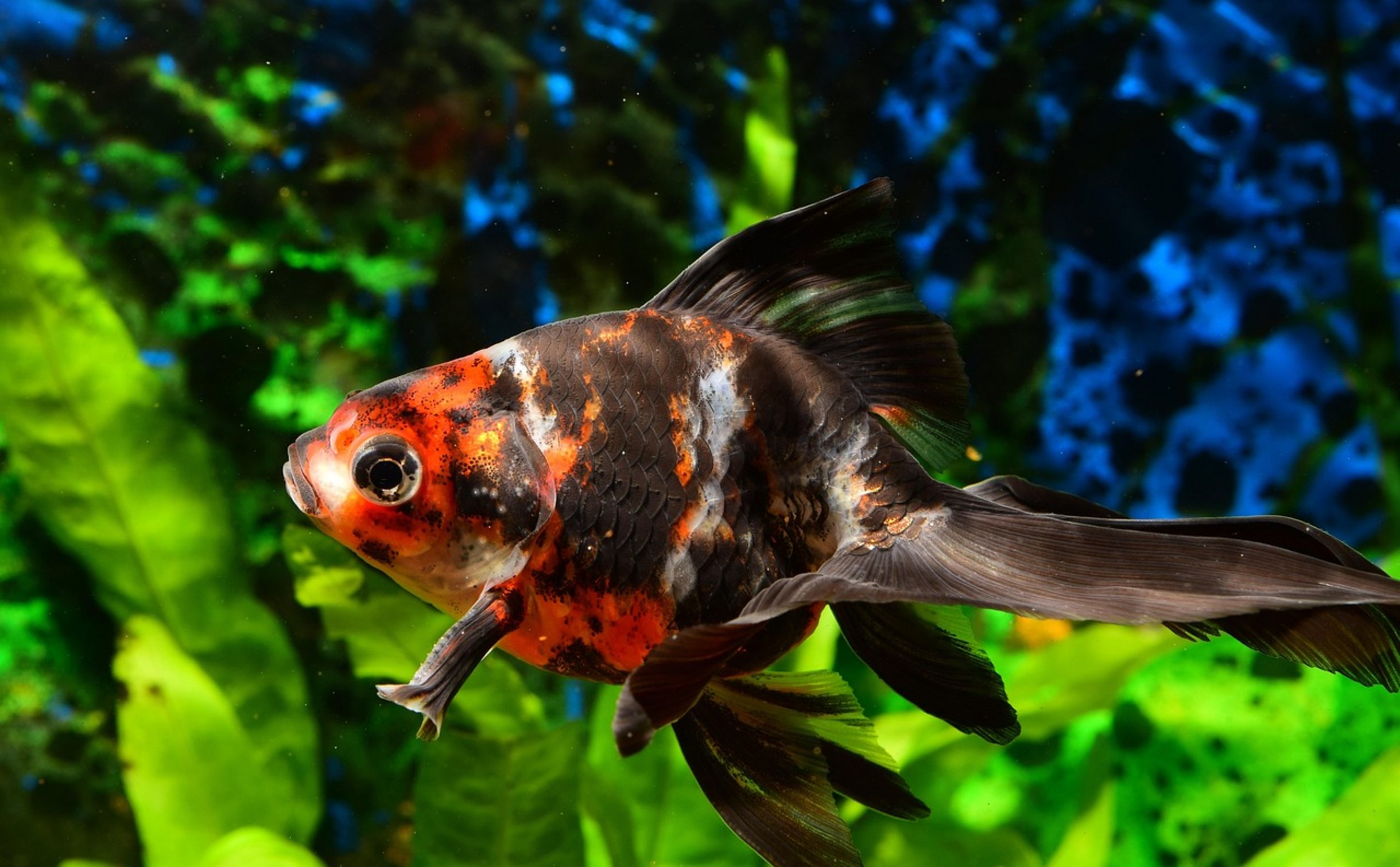
Stress cause these pigment cells (chromatophores) to enlarge and turn darker. This is how they helps the fish survive by camouflaging in shadowy areas. When a goldfish feel threatened or perceives a threat from another creature such as predator, these pigment cells changes color to make the fish look like its environment.
So if your goldfish are kept in a tank with really bright white gravel, it will remain bright because there’s nowhere for it to “hide”! However, add some dark decorations/heavy planting and it might change color to match its new background. This is not sign of sickness, but just the fish adjusting to his/her environment.
Distinguishing Stress Darkening from Melanosis
Melanosis is another matter altogether, but it’s not what we’re seeing here. With melanosis, you’ll have tiny spots, almost like freckles, in fact, but they’ll be very distinct and irregular. It tend to be linked to an environmental cause (either poor water quality for prolonged periods, or possibly a fungal/bacterial infection).
So the distinction? Uniformity. General body darkening (stress camouflage) make the whole fish appear “shadowy” versus melanosis where there are irregular spots.
Spots = Check nitrates/ammonia ASAP; “just darker” = Examine the tank setup. Now, this color shift can be permanent or not depending off genetics. A lot of goldfish is born white or silver in color.
The Role of Light and Genetics
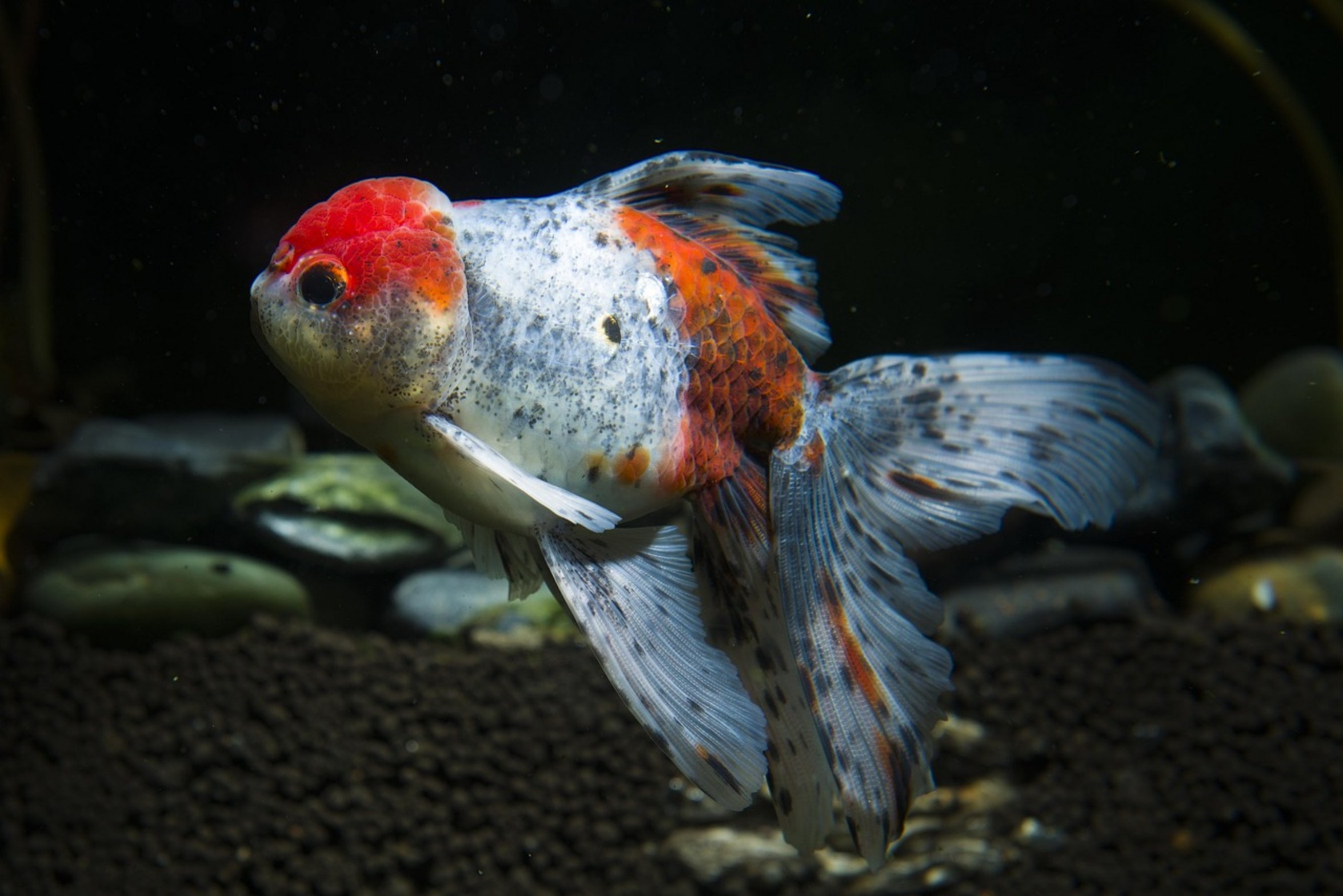
They’re covered in a protective layer of melanin which masks their underlying patterns (orange, red, etc.). Over time, that layer fade away and the color comes through. However, there are occasions when the opposite happen.
If your goldfish live in a place where there’s little to no light and the environment is extremely dark, then the melanin can persist and even build up. In other words, what would of been a colorful fish remains darker because it doesn’t see the visual signal to stimulate its coloring. Light is a powerful force here.
Restoring Original Coloration
If you have darkened your goldfish as a result of stress, modifying its surroundings can usually causes it to revert back to its original coloration. First of all, raise the lighting in the tank. Use a good quality LED light (full spectrum) that provide the same type of light as natural sunlight.
That will cause the color cells to retract and true colors will reappre. Second, remove hiding places for now. If your tank have lots of thick plants and caves that are dark inside, pull some of them out.
You don’t want to create additional stress, just get rid of what is triggering the camouflage behavior. Underlying everything is water quality. A dark colored fish may have genes that makes him likely to have a darker coloration, but poor water won’t let the fish express his optimal colors.
Essential Water Quality and Diet
Make sure you’ve got a good nitrogen cycle going. Regularly test (weekly) for nitrates, ammonia, and nitrites. Provide plenty of astaxanthin in their food, a pigment present in krill and other crustaceans, such as shrimp.
Lots of premium goldfish foods contains astaxanthin to enhance coloration, including Tetra and Hikari brands. If the fish is genetically inclined to exhibit colors with higher red/orange values, it’ll help deepen the hues. However, no amount of astaxanthin will make a white fish orange.
Monitoring Health and Patience
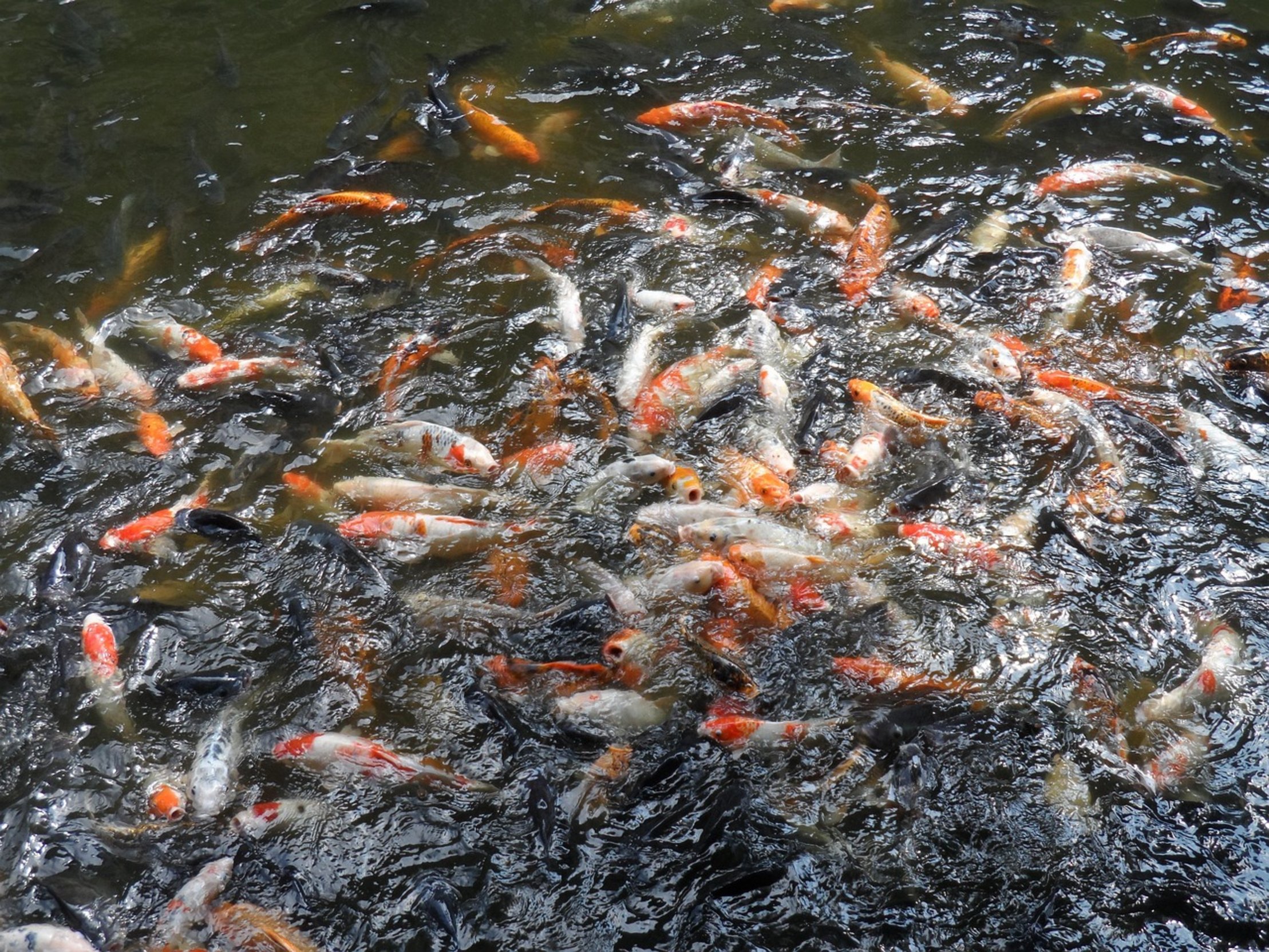
Don’t rush it. Things don’t change overnight. Melanin does not shed immediately after stress stop.
Give it time. Weeks can pass before that top layer thins out. Watch your fish’s behavior more than his color.
The fish breathes normally, swims actively, and has a good appetite; these are the signs of an ok fish. Don’t get freaked out if the color isn’t perfect. Feed him well and keep the water clean.
When he’s healthy and feeling safe again, the colors will come back. And finally, the darker goldfish isn’t always a doomed goldfish. Many times it’s simply a fish that’s adapting to your world.
Change the decor, change the diet, change the light. You’ll nudge it back toward its colorful self. The question is, will it be too late?
When to interfere, and when not to interfere. That’s the tricky part.
