
Go into a pet store and you’ll frequently find those little bags with some goldfish inside. They’re small. They’re colorful.
People buy them for their kids, thinking they’ll be small forever. That’s where the trouble begins. Next thing you know, there’s a bowl full of fish.
The bowl is crowded, the fish is stunted. Prematurely dead fish. It’s not the fish’s fault.
It’s because you don’t understand them. Goldfish are smart animals. Goldfish are lively.
Goldfish aren’t just decoration in your tank. Goldfish gets pretty darn big. Knowing that will change the way you set up your fish tank.
You don’t want a sick fish. A sick goldfish is a stunted goldfish. It’s all about thriving, not just surviving.
How Big Goldfish Grow And Tank Needs
Understanding Goldfish Size and Species
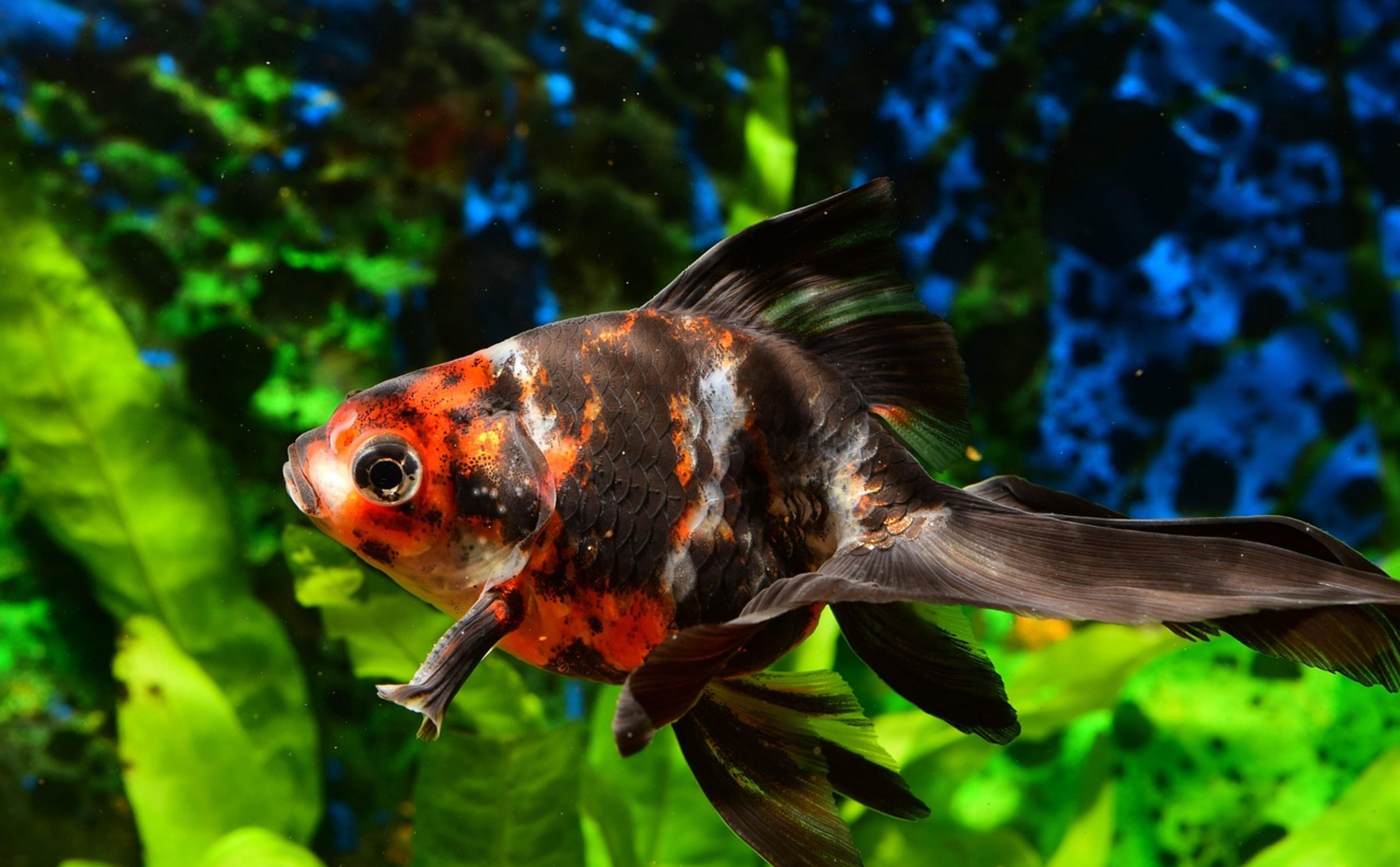
Carassius auratus is the scientific name for that common goldfish you are used to seeing, the standard orange or white variety. They gets to around a foot long (12 inches). Good conditions will yield some fish getting to upwards of 15 inches.
Plan on this. Ten inches is typicaly inadequate. Give them space for their complete adult length.
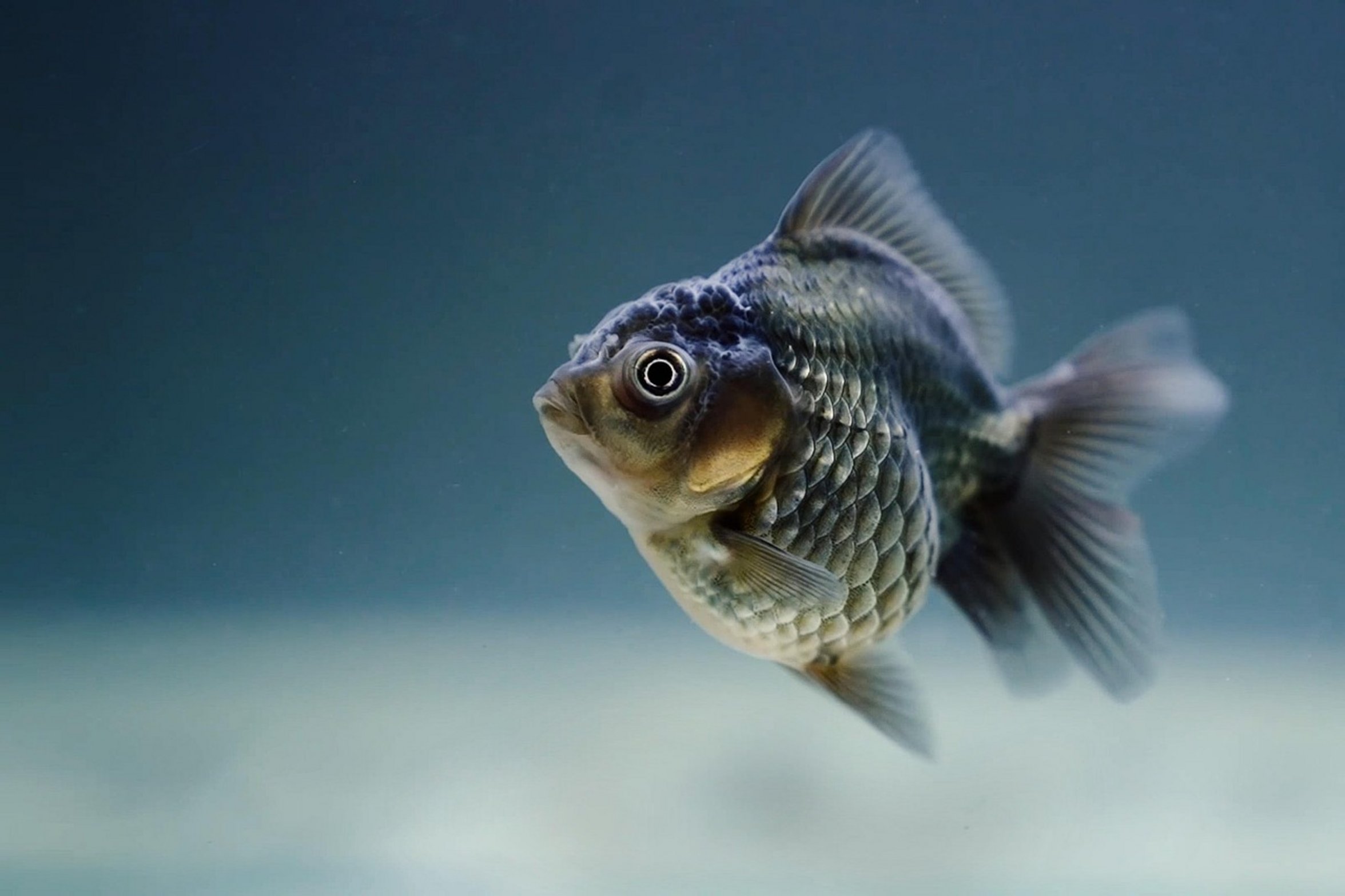
Ryukins, Orandas, and other fantasy types are round-bodied fish that require more width than length. Therefore, a tall tank is preferable to a long tank for them. They still reach lengths of 12+ inches.
Because they’re shorter, their volume requirement don’t decrease. It actualy increases because they don’t swim well. The twelve-inch rule doesn’t apply to comet goldfish.
Comet goldfish are wilder than your typical goldfish and they can reaches eighteen inches long (or more). If you’ve got a big indoor tank, consider adding some comets. In my experience, they do much better in spacious settings.
The Impact of Waste and Water Quality
Their waste level just isn’t suitable for smaller tanks. Maximum size has more to do with water quality, not tank size. Goldfish are messy eaters.
What they produce breaks down into ammonia. Ammonia burns their gills. This suppresses their immune system.
If the filtration isn’t robust, the fish will stop growing. It is not because it doesn’t have anything to eat. It is in survival mode and its water is toxic.
Growth happen naturally when water is clean. Never, ever keep a fish in a bowl. Not even a one gallon tank.
Goldfish do not has three second memories. They know you. Yes, you can condition them.
Poor living conditions cause chronic stress. Fins will be clamped and colors fades. This is the physical sign of your fish’s stress due to being confined.
Essential Tank Size and Filtration Requirements
Begin with a 20 gallon tank for one goldfish. There’s plenty of surface area for gas exchange. There’s enough space for beneficial bacteria to grow on your filter media.
Add ten gallons for each additional fish. Follow this formula and you won’t have problems with overcrowding. Overcrowding will send your nitrate skyward, which causes long term organ damage.
Strong filtration. Goldfish require strong filtration, and most tropical fish filters is not up to the task. Canister filters are ideal.
Select one appropriate for a bigger tank. That way, you’ll have enough turnover. Also, mechanical filtration will trap debris.
Biological filtration is essential. It removes waste before the waste hurts the fish. Without biological filtration, expect frequent water changes.
Feeding for Healthy Growth
Growth is affected by food. Rapid growth come from high protein foods. Use vegetable supplements, such as zucchini and peas.
Digestion improves; no more bloated fish. Feed often in small quantities. Big meals makes the water cloudy.
Cloudy water lacks oxygen. Lack of oxygen stunts growth. This also causes bacterial blooms.
Avoiding Permanent Health Damage
Too many people wish they had started out bigger. Eventually they do get bigger. But by then the damage is done.
Growth has been stunted. Deformities are permanent. Spines curves.
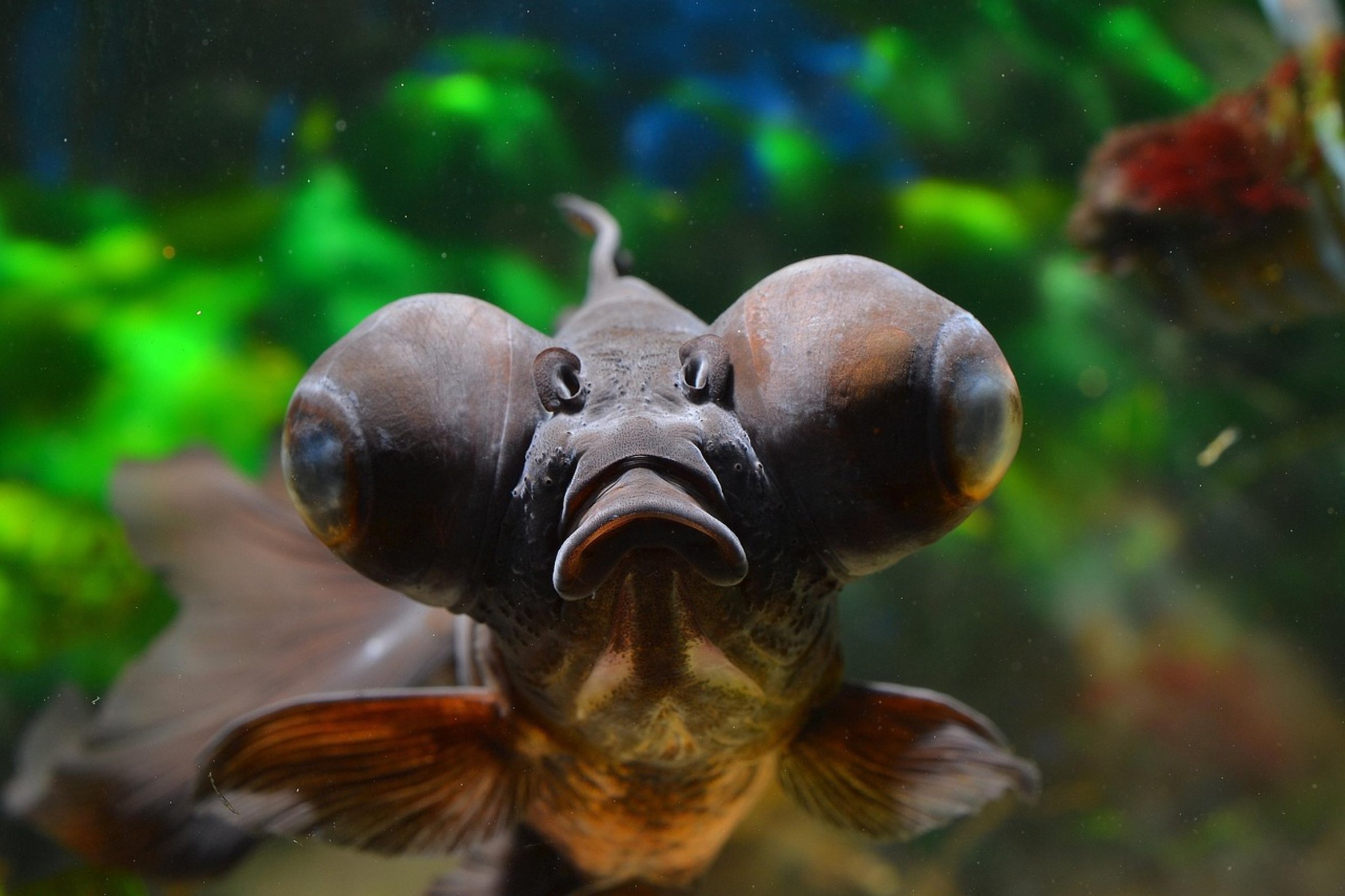
Eye problems. It’s more economical to prevent these things than treat them. Get as big of an aquarium as you can afford.
Position it where it will fit comfortabley. Don’t compromise on space. Sometimes it’s as simple as providing your fish with space.
The difference between a sick goldfish and a vibrant one is often just square footage. Clean, oxygenated water. Let ’em swim around.
They’ll repay you with longevity and lots of personality. Yes, goldfish lives for decades. Keep this in mind when treating them.
It’s an investment that rewards you with years of enjoyment. That little bag contained a big animal all along. You only had to look closer.
