
Many people choose guppies for their freshwater tanks because they’re colorful, have nice tails, and they draws new aquarists into hobby. But once the novelty wears off, and your guppies gets pestered by other tankmates or turned into stressed-out animals, that first attraction can quickly fade. Not every species of fish can be put in a tank with each other.
Knowing the environmental requirements, temperaments, and swimming area is important. The other mistake beginners make are thinking every peaceful fish get along. This results in fish that hide and fin nip.
Your fish need roommates with similar energy levels. But most critically, they should of be roommates who won’t attack your guppies or eat them. This create a balanced ecosystem instead of just a bunch of lonely fish.
How To Choose The Best Guppy Tank Mates
General Compatibility Guidelines
For guppies, the best companions are small and docile schooling fish. You can’t go wrong with neon tetras or cardinal tetras. They lives in the middle of water and will not bother the guppies.
Peaceful Schooling Fish Tank Mates
Guppies prefers to stay at the top and bottom of tank. In addition, tetras flourish in somewhat acidic and soft water, something that many guppy strain require as well. What’s more, they swim together in harmony, drawing attention to the guppies by contrasting there appearance.
For others looking for hardy species to get started, harlequin rasboras make great choices as well. Newbies tend to have better luck keeping them alive because they can absorbs changing water conditions, like less strict pH, better then cardinal tetras can. These little guy won’t out-compete the guppies for food or space because of their smaller size and docile temperament.
Lastly, that red triangle marking provide some color without detracting from the guppy’s tail displays.
Bottom Dwellers for Cleanliness
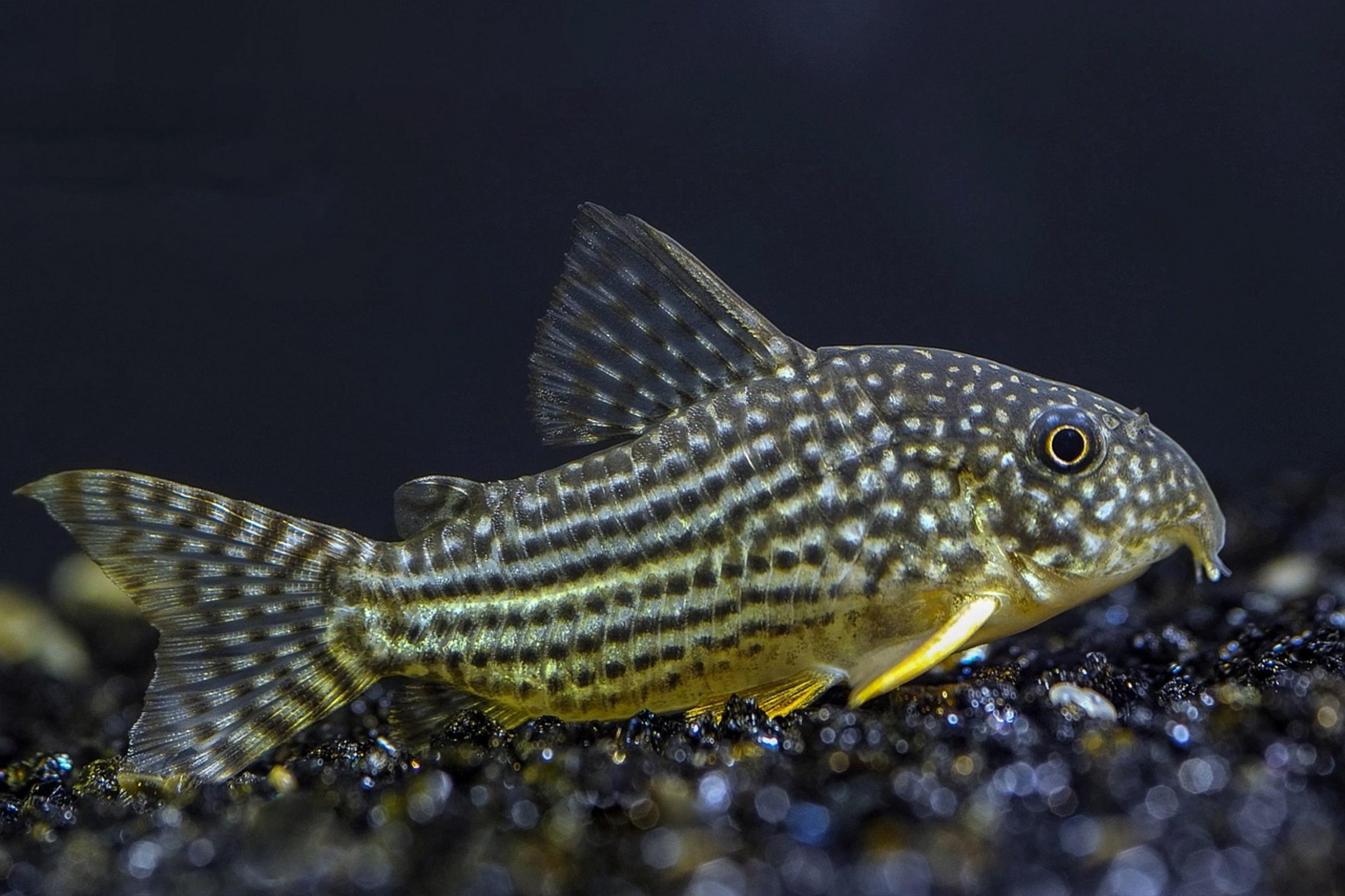
Tank dynamics also include bottom dwellers. These fish makes life easier and cleaner.
They pick up waste, which otherwise would of turned into ammonia. By doing this they keep your substrate and water clean from ammonia spikes. Because these fish inhabit the lower levels of tank (gravel/sand), it leave all the open water areas for the tetras and guppies.
That’s a great space division that minimizes natural conflict. Just be sure to provide smooth substrate where they can forage without injuring their sensitive barbels. Also, corys are social, gentle catfish.
Livebearing Species and Population Control
Mollies and platies, these are two of more common livebearing species that people keep with their guppies. Note: These fish breed at about the same rate as guppies. So if you’re not careful you’ll end up with an overcrowded tank.
Also, mollies has a tendency to prefer harder, more alkaline water compared to most guppies. This could become a stressful mismatch for them eventualy. For platy keepers, stick with more peaceful types such as swordtails and moonlights.
Be ready to control your population aggressively.
Scavenger Shrimp for Community Tanks
Shrimp are another part of the community, specifically, scavenger species like ghost shrimp or cherry shrimp. They does a good job helping maintain cleanliness as scavengers.
If you have plenty of cover for them to hide in, they can easily stay out of sight from adult guppy. As such, it becomes a multi-layered tank life with something going on at all levels. The fish form the main spectacle, while the shrimps adds motion and perform the cleaning duties.
It’s a symbiosis beneficial to whole system.
Avoiding Aggressive Tank Mates
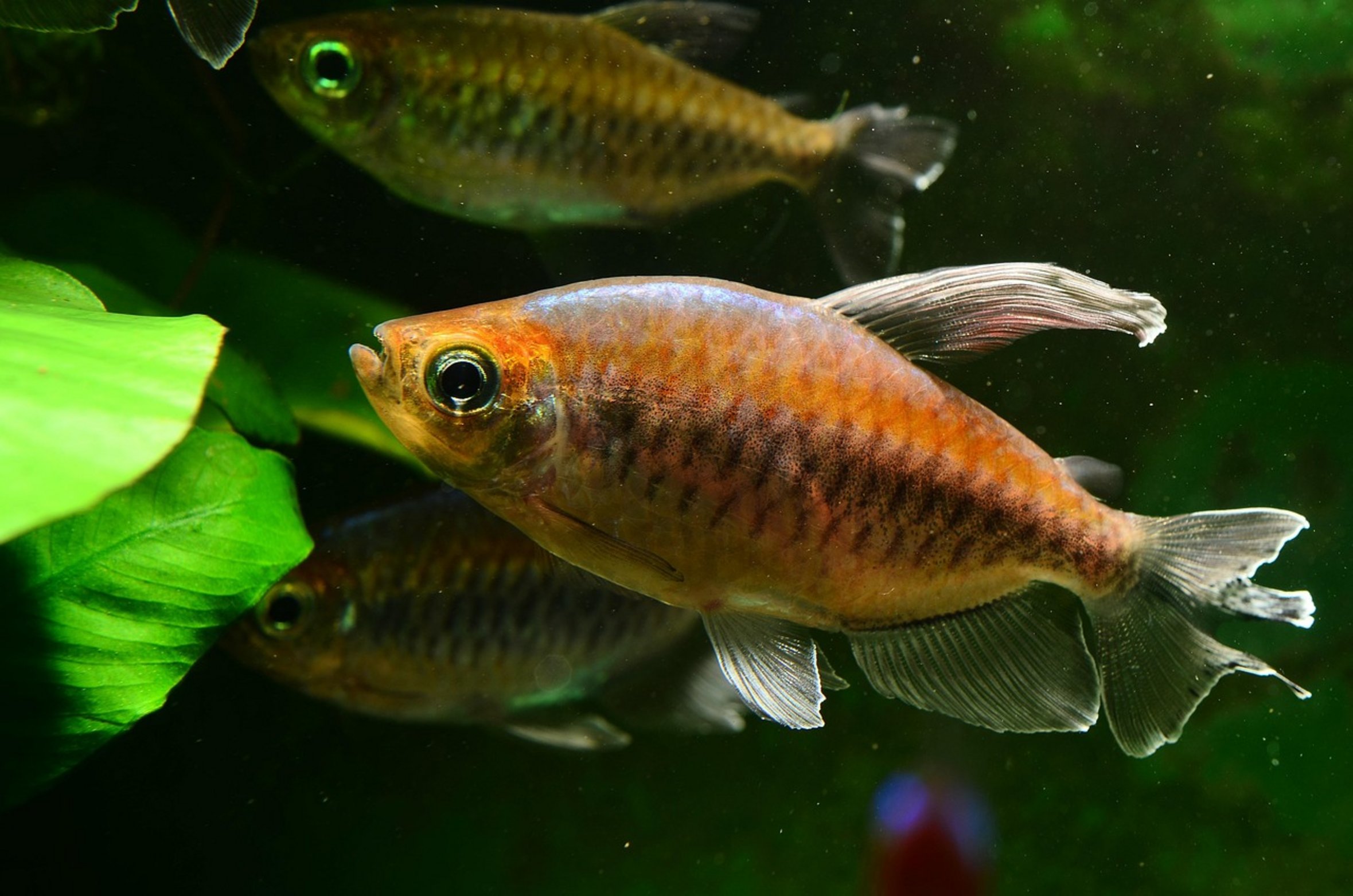
No Aggression; No sharp fins. Avoid species that is aggressive or have nasty fins.
Guppies would of considered prey or a pest by cichlids, big barbs, and certain loaches. Remember, you want peace, not drama. Get tank mates that don’t bother your guppies.
A happy guppy is typically a bored guppy. Aquascape balance come from creating a healthy community of fish that takes into consideration social behavior, swimming space, and water chemistry. The result is a tank that’s calm yet alive, your guppies feel comfortabley, they swim confidently and color up to show off their best colors.
If that isn’t the ultimate reward for thoughtful aquascaping, I don’t know what is.
