
Guppies are flashy. That’s why you bought ’em. Those neon blues and oranges is a splash of color in an otherwise empty glass box.
They’re lively. They’re cheap. And who doesn’t love watching a bunch of guppy?
For just a couple bucks, you get some color that make a tank come alive. It is not always that simple. Within a few months most of the new fish are gone.
And it isn’t a matter of bad luck. There are invisible reasons they don’t last as long than you think they will. What kills them?
Understanding their needs, water quality, and stress is the culprits. It’s all about the biology. A guppy doesn’t need to be piece of decoration.
It’s a tropical animal that has certain needs if you want it to live out its naturaly life. Those needs are silent threats if unaddressed, but they also makes a big difference when understood. Most times what separates a three-year-old guppy from a three-month-old guppy are a few everyday behaviors.
Why Guppies Die Early And How To Prevent It
Guppy Lifespan Expectations
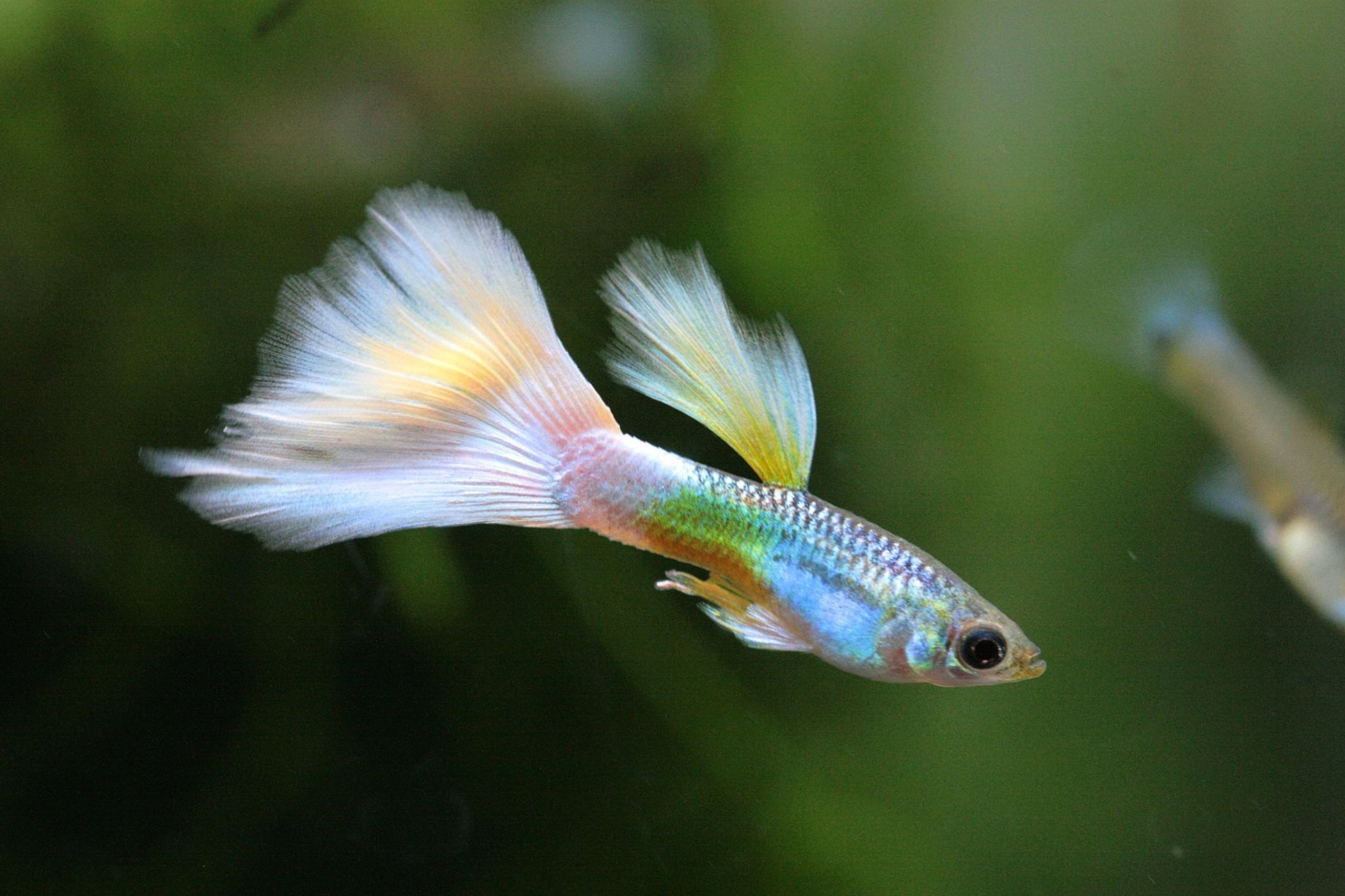
They live longer than you think. A healthy male guppy has been known to reach 4 years of age. Sometimes more.
Females don’t typically lasts as long, though they have been known to reach 3 years in captivity under optimal conditions. They generally do not survive very long in the wild due to disease and predation. Those factor are eliminated when in captivity.
Water Quality And Tank Size
Longevity also hinges on stability of the water. South American guppies is livebearers. Their natural habitat is soft, slightly alkaline water.
Over time, hard city tap water stress the salt and water balance system. It is not an instant killer. It is a slow burn that gradually weakens their immune system.
Fish appear fine and then, bam!; crash. Size of the tank matter more than you’d expect. Guppies being small keeps up the myth that they require small, like nano, tanks or even bowls.
That’s bad information! Water volume, no matter how big or little it is, change quickly. You don’t have days to deal with an ammonia spike, it occur in hours.
A 20g tank offer enough space for beneficial bacteria to grow and remove waste. Fish are healthy when their environment are stable. The only task you can’t delegate to a filter and one you can never slack on, the non-negotiable: change the water.
Yes, a good hang-on-back unit or sponge filter will helps, but they don’t eliminates nitrates. They accumulates over time unless you do partial water changes each week. Then the fish start gasping for air at the surface.
Their fins is clamped. It is not a disease. It is a poison.
Replace 20% of your water weekly and start the clock anew. Energy come from what they eat. What is on your tank bottom?
Proper Guppy Diet And Nutrition
Flakes are convenient but may not be balanced. Guppies are omnivorous. They require protein such as brine shrimp or bloodworms in addition to vegetables such as blanched peas that provides fiber.
Color and health of their digestive tract depends on a varied diet. Boredom leads to lethargy, which lead to susceptibility to parasites. On the one hand, it’s a breeding fish; on the other, it can be a double edged sword.
Breeding Habits And Stocking Tips
Guppies are prolific breeders. One female may have several hundred offspring. That nonstop birth-giving and being pregnant take its toll on the female.
If long life is your goal, perhaps go with all males. They won’t breed, meaning no physical drain. And when they’re not chasing females for sex, they’re less aggressive and often more colorful than females are during a chase.
Reducing Stress For Healthier Fish
All other issues are multiplied by stress, that silent killer. The guppy is in an alert state due to unexpected noises, excessive light duration, or aggressive tank mates. His cortisol levels spikes.
His immunity plummets. A mild infection that a relaxed guppy would easily shakes off could of prove deadly. Plants provides hiding places.
Maintain a consistent light schedule. Allow them time to relax. Less is more.
The goal is simplicity, not complexity. There are no fancy gizmos required. Consistency is what’s required.
Take a water sample each week. Feed carefully. Maintain the tank.
Treating the guppy as if it were any other living animal whose needs must be met make all of the difference. What used to be a three month life span is now a three year experience. And that begins with the water you replace once per week.
