
Betta fish have a reputation, one which is doing it a terrible disservice. We’re told they can be kept in nothing but a little plastic bag from the hardware store, next to some lonely goldfish and a decorative castle, and we get the picture. Betta fish are small.
Actualy, they’re hard to maintain because small tanks lacks the stability they need. They actually needs larger tanks for stability and health. Why?
It is convenient for retailers. The fish is also hardy enough to survive neglect, though it is certainly not thriving. Surviving isn’t the same thing as living well.
If you want to truly enjoy having a betta, watch him show off his colors and personality, and see him live out his natural lifespan, you must rethink the size of his tank completly. For years, the five gallon tank was the go-to recommendation. It was the middle ground: not the unmanageable giant tank, but also not the death trap that’s a bowl.
Why Bettas Need More Than Five Gallon Tanks
The Myth of the Small Tank
It sat on your desk. You could heat it cheaply. One lonely fish?
That sounded like the perfect setup! However, nature does not operate within our budgets or limited desk space. Nature operates based off stability, surface area, and water volume.
Why Five Gallons Is Not Enough
While a five gallon tank might be theoretically do-able, it’s a shaky situation at best. One small temperature swing, one sick day, one forgotten water change, and the whole thing comes crashing down. There’s just not enough room for error with this kind of setup if you’re a conscientious keeper.
Water Stability and Chemical Parameters
But it’s not simply about providing space for the fish to swim around. It’s about stability and chemistry. Small amounts of water make for crazy swings in water parameters.
The smallest bit of waste cause an enormous spike in ammonia. A small temperature change becomes a shocking difference. Those same changes is buffered when you have a greater volume.
The water retains temperature more easily. It will dilute waste more efficienty. It can supports a stronger colony of good bacteria.
You’re not simply purchasing space by doing this. You’re also purchasing stability. This stability permits your fish to relax, eat, and go about their lives without being stressed out all the time.
Managing Biological Load and Filtration
Now consider the biological load. Bettas poop. Bettas eat.
That poop breaks down into ammonia, an incredibly poisonous substance. Your filters contains beneficial bacteria that consume the ammonia. They convert it to nitrite, which is also deadly.
The nitrite converts to nitrate which isn’t as lethal but still can be problematic. To work properly, the process needs both water volume and surface area. A five gallon tank’s colony are weak.
Overwhelm it and its game over. Give it ten or twenty and now there’s breathing space. Use more filter media and rock for the bacteria to colonize.
More water to soak up chemical shock of daily feedings. You will have less frantic maintenance. Safer tanks for your fish.
Sounds like a no-brainer, right? It is an upfront cost for long-term ease, plain and simple. And what about oxygen?
Oxygen Levels and Labyrinth Organs
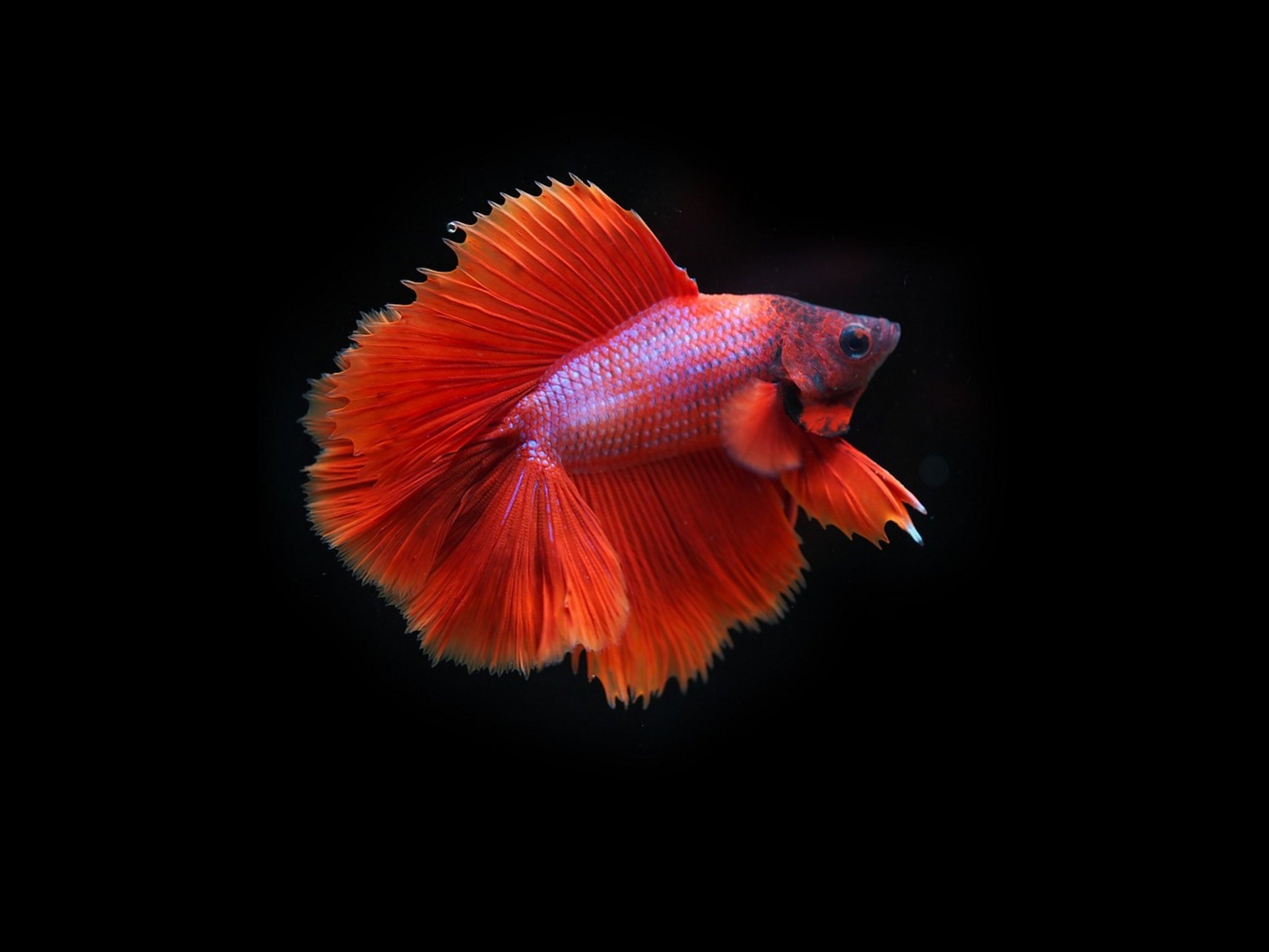
Labyrinth fish like bettas can breathes air directly from the surface thanks to a special organ. Because of this adaptation, many assume that bettas don’t require large tanks or good filtration. It’s a misunderstanding regarding the operation of the organ.
They’re using it because in their natural environment, the waters is frequently stagnant and low in dissolved oxygen. If your betta lives in a home aquarium, it shouldn’t be gasping away at the surface all the time. A larger tank will have a greater amount of surface area compared than its depth.
More oxygen can exchange between the water and air. Even the water contain more oxygen. The fish are healthier and maintains fuller flowing fins instead of clamping them down in distress.
Temperature Control in Larger Tanks
Larger volumes is also better when it comes to heating and temperature control. Water gives off heat. That heat go into the air.
The smaller the volume of water, the faster it will give up its heat. In fact, you would of to run a heater on and off constantly to keep a small tank at a stable seventy eight to eighty degrees Fahrenheit. That’s stressful to both the heater and the fish.
It also creates small temperature changes that are not good for the fish. A bigger tank (twenty gallons) hold heat like a thermos. Warm it up and it stays that way.
The heater doesn’t need to run as often. The temperature stay stable. This allows your bettas’ immune system to function well.
It prevents a sudden temperature drop in the middle of the night, which can cause thermal shock. The result? You will worry less, and your fish will be healthier.
Enrichment and Mental Health
A bigger tank makes it possible to set up different areas, you might have a spot where they rest at the top, an open area where they swim around freely, and some plants. That diversity add value to the tank. It provides opportunities for them to explore, relax in various locations, and act naturaly.
Having that reduces the feeling of being exposed. Less stress. Colors look better.
There are fewer reflections off the glass. That’s not just an investment in their health but also their mental health. Going from 5g to 10g or even 20g isn’t hard.
All it takes is an adjustment of mindset. What you’re doing is going from barely functioning to really functioning. Sure, you’ll have to spend more money on the bigger filter, stand, and tank.
But then you won’t need to do as many water changes (which means the new larger tank will pay for itself sooner) and your fish lives longer. Less alge cleaning, more betta gazing. That’s a big difference for a little change.
A betta needs more than just survival. A betta is more than that; it’s a home.
