
If you think of a betta fish as something that’ll live contently in a little fancy bowl, congratulations: your thinking is biologally wrong AND it’s sadistic toward the animal. Tropical labyrinth fish such as a betta require clean water, space, and warmth if they’re going to be around a while. A well-setup tank will transform a spur-of-the-moment buy into a lifelong hobby.
Complete Guide to Setting Up a Betta Fish Tank
Minimum Tank Size for Bettas
Proper setup make all the difference between a dead fish within a week and a vibrant companion for many years. This doesn’t require a big tank. In fact, five gallons has long been considered absolute minimum size for one betta.
Five gallons of water will give you enough surface area for gas exchange and enough water to dilute waste. Smaller amount of water are easily affected by chemistry and temperature changes. Larger amounts is less so.
You’re striving to establish a stable environment that maintains consistency, even if you miss a couple of water change here or there.
Choosing and Preparing Substrate
The substrate is one decision you make which will establish the environment. Select a material that doesn’t alter pH levels or cloud the water.
Smooth, fine sand or gravel are preferabel. Stay away from anything with sharp edges. These can scrapes delicate bacterial colonies or potentially damage delicate fish fins.
Thoroughly rinse the substrate before adding it to the tank. Doing this ensures that the initial water change won’t become murky because of the substrate. Just a couple inches of substrate (two to three at most), will be enough.
Substrate help anchor plants and provides a location for the fish to search for food.
Water Treatment and Filling
Before water comes into contact with the glass, it should be chemically treated. Chlorine (and sometimes chloramines) found in tap water is bad for fish gill health and will kill beneficial bacteria.
Immediately treat your water with a water conditioner such as Tetra AquaSafe or Seachem Prime. They’ll neutralize any toxins immediately. Do not skip this step, you’re pouring poison into the new home.
Slowly fill the tank against the glass to prevent substrate disturbance. Allow the water to stand for a bit. This gives air bubbles trapped in the gravel time to rise and dissapear before you place any decorations.
Heating the Aquarium
Tropicals needs to be heated. The betta originates in the warm waters of Southeast Asia. The apropriate temperature is seventy-six to eighty degrees F. Glass bowls do not retain heat.
Silent, properly sized heaters like the Aqueon Nano or Eheim Jager work well in aquariums. Set the dial and submerge it completly. Use a separate thermometer to check the temperature.
Over time, heaters can drift off target. Monitor so that the fish remain comfortable. Stress is a major cause of disease.
Stressed immune system do not work. Keeping the tank temp stable is one of the easiest ways to maintain health of your fish.
Adding Live Plants
Plants provide better water quality and cover.
For a few reasons, real plants are superior than plastic. First, they take up nitrates (the end product of the nitrogen cycle). Second, they offer hiding place, reducing stress.
Third, floating plants such as duckweed or frogbit block out light, slowing algae growth. Fourth, rooted plants like anubius or java fern don’t die easy. Attach them to some driftwood or rock.
Don’t bury their rhizomes, that will lead to rot. Fifth, greenery adds to the naturaly appearance of the tank. Sixth, it provides something for the betta other than you to play with.
Selecting Filtration
You need gentle filtration because Betta’s long, flowing fins are prone to getting caught in strong intakes. For smaller tanks, I’m a big fan of sponge filters, they do provide biological filtration but don’t create current. If you want to use a hang-on-the-back filter, get one with adjustable flow or add a pre-filter sponge.
You’re looking for circulation, not force. Even distribution of heat and oxygen also come from water movement. You don’t want your tank to become a wind tunnel.
Your fish shouldn’t need to fight the flow to swim around.
Cycling the Tank
The single most important thing to do is get the tank cycled prior to adding animals. A new tank has no beneficial bacteria.
Beneficial bacteria will consume the waste. If not consumed, the waste will build up quickly, form ammonia, and be toxic. Run your heater and filter for four weeks minimum prior to adding a betta.
Use one of the commercial cycling products (e.g., API Quick Start) or pure ammonia and a fishless cycling method. Test the water each week. Don’t add anything until ammonia and nitrite test as zero and nitrates are detected.
This sets the biological balance. Failure to do this means you’re guaranteed suffering. Patience in this area will save you heartache down the road.
Introducing the Betta Fish
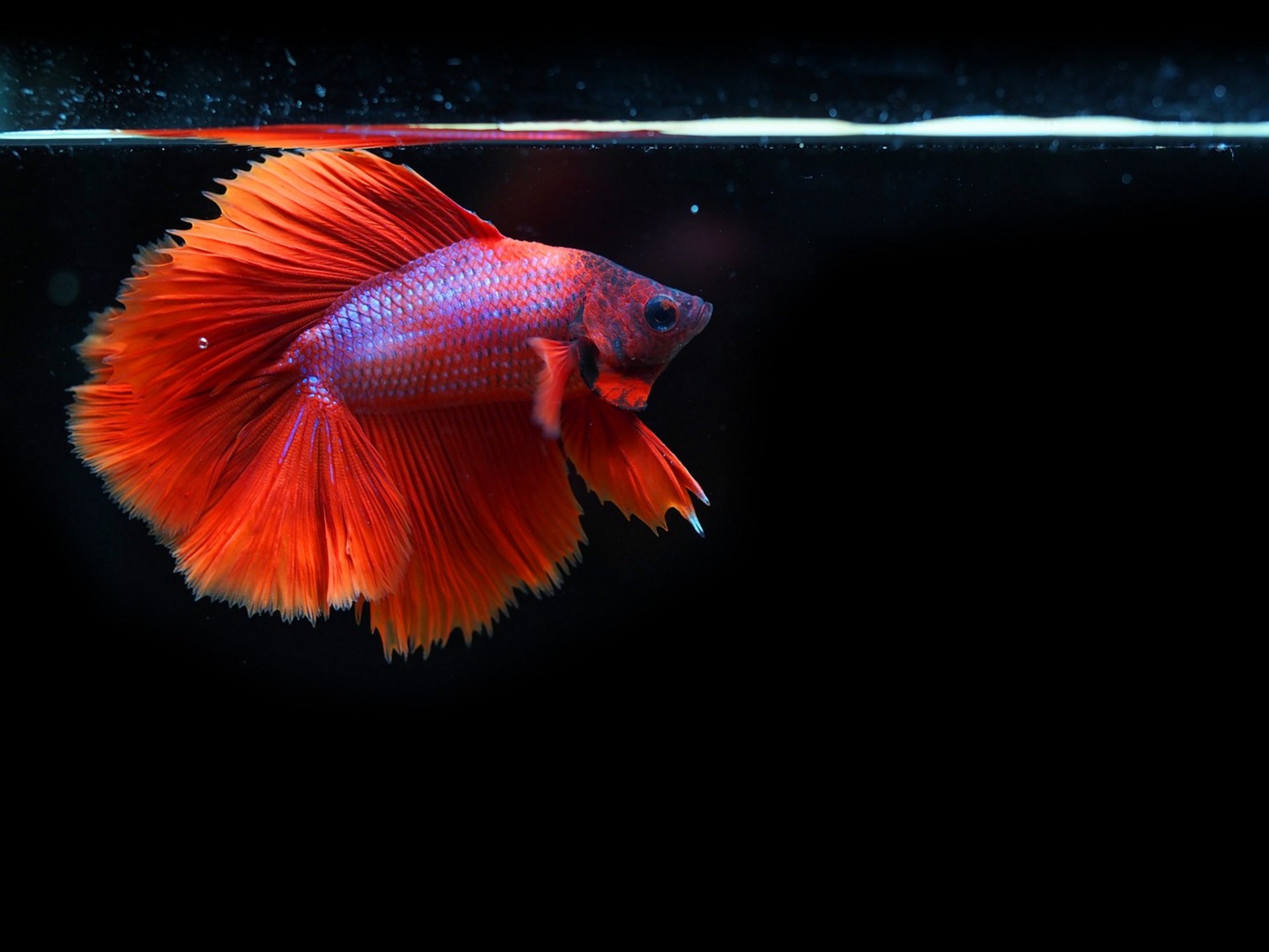
When the parameters stabilize and the cycle completes, it’s time for the fish. To adjust the betta, float the bag in the tank water for 15 minutes to equalize temperature. Next, slowly add some tank water to the bag for an additional 30 minutes to adjust the fish to your specific water chemistry.
After that, net the fish out of the bag and release it into the tank. Never pour bag water into the tank, it could contain waste and other germs. The new resident will be cautious as it explores its surroundings.
It may hide for a day or two, this is normal behavior. It is a little treat to see your betta open its mouth and fan its gills in a tank full of warm, clean water. All that effort you’ve invested in setting up the tank shows in its color and longevity.
The environment is one that allows the fish to thrive by meeting his natural needs. Instead of a decoration it’s a safe harbor. It is a living world that has replaced the empty glass.
Clean. It is stable. Ready for life.
