
Sometimes, you’ll notice some bubbles on your glass clustered together. That’s normal betta behavior. Newbies freak out thinking something is wrong with water quality or fish is sick.
Most times, it mean the fish is healthy and nest is simply a sign of its security, it has the confidence to do what it was naturaly built to do. This behavior can saves you from treating your fish unneccessarily. It will also help you understand how the fish feel in a glass box through its body language.
Understanding What A Betta Bubble Nest Means
Understanding Bubble Nest Behavior
Betta fish are labyrinth fish. What does that mean? They gets oxygen from air at surface.
The Biology of Labyrinth Fish
Building a nest using that air is part of their biology. Knowing this shows how they’re feeling. Nest building are hormonally driven.
Courtship and Nesting Instincts
A male betta build a nest as part of his courtship ritual. To do this, they traps bubbles at the surface of water with their mouths, and saliva mucus holds the bubbles together. These remain bound below water’s surface.
So if you see your male betta building a nest, chances are good that he’s about to mate. Even though there may not be a female present, the instinct persist. It’s practice for when a possible mating happen.
That’s just how it is for sexually mature male. So don’t confuse this with stressful behavior. A building betta can be calm and focused.
He’ll move around purposeful to get some air. He might even be guarding his nest. That’s okay, that’s protective behavior too.
Everything is ok if he appear relaxed. Remember, the nest are an egg nursery. Once eggs are fertilized, it’s daddy’s job to watch over them.
It is in the wild. And in captivity, the instinct remain. Also consider water temperature.
Ideal Water Temperature for Nesting
Bettas is tropical fish that originated in warmer waters. Their metabolism will be slowed by cooler temperatures. In fact, if you let your tank get below seventy-five degrees Fahrenheit, they tend not to building nests anymore.
The warmer it is, the more active they becomes. Best to keep the water temperature stable in range of seventy-eight to eighty degrees. That’s closer to breeding ground nature provided for them.
And that keeps their internal clocks ticking. Behavior is also affected by lighting cycles. Your betta is a daytime animal meaning it’s active during daylight hours.
Lighting Cycles and Hormonal Balance
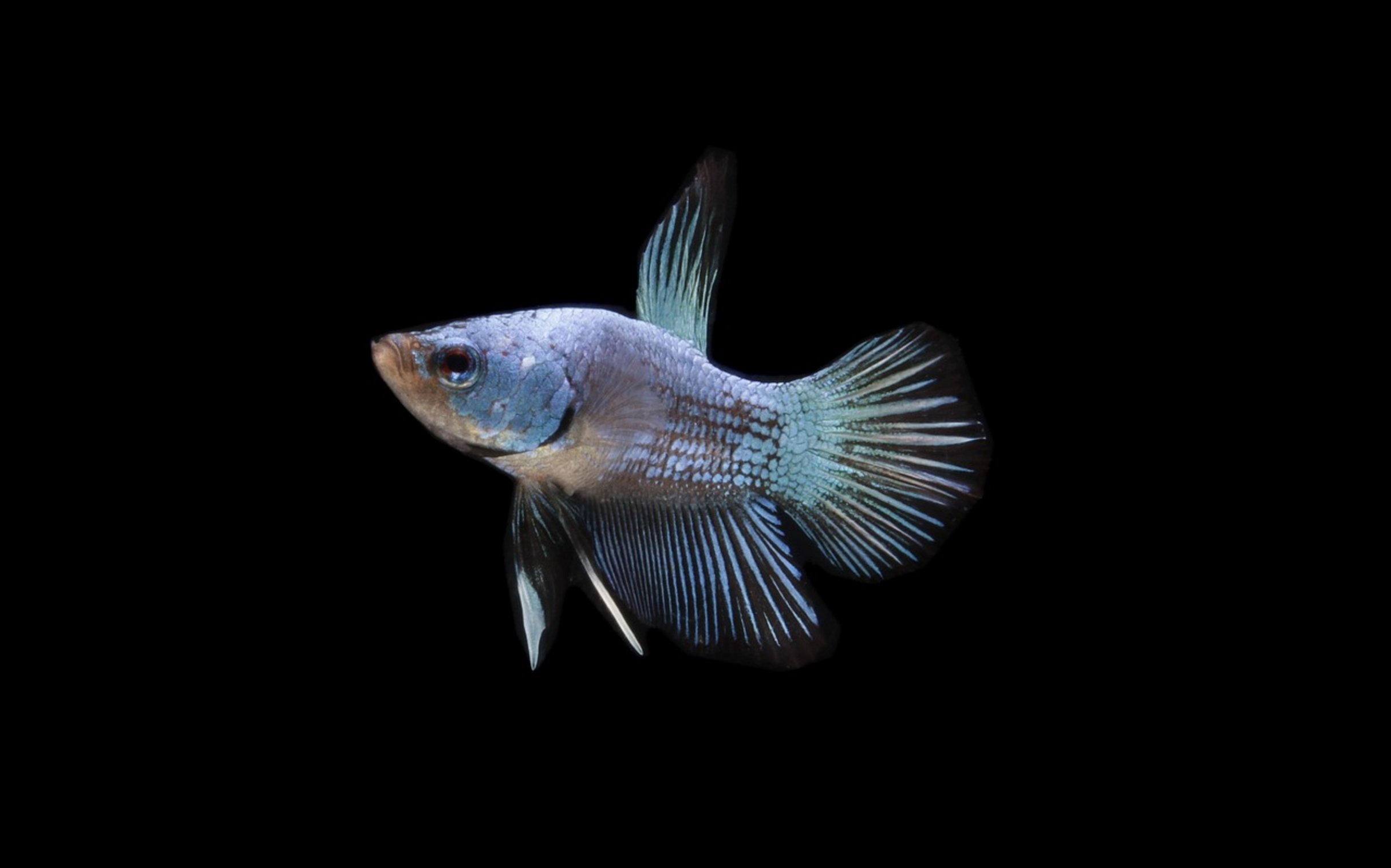
Maintaining a consistent light schedule will help regulates their hormones. They can becomes confused when there is sudden changes. Odd behavior may result.
It’s best to maintain a regular day/night cycle with approximately ten to twelve hours of light each day. Staying consistent provide stability and builds confidence. A confident betta are more apt to nest.
Handling and Cleaning Bubble Nests
Leave it alone. Don’t mess around in the nest. Unless there is problems with the bubble, let it be.
The nest can actualy clog up your filter sometimes. Simply use a small net or dropper to carefuly trim it back. Just take care not to startle the fish.
If he think you’re threatening his offspring (which is how he sees them), he’ll chase you. It’s a defense behavior. Let him have his space when this happen.
Be careful when cleaning the tank. Don’t do anything that tear down the nest (e.g., violent current). The fish will build it again in a jiffy.
A stressed out betta will be more prone to disease. Stability help reduce stress. You don’t want your fish sickly.
You want your fish healthy. A healthy betta are an active and colorful one. Nests is built by males.
Male Versus Female Betta Behavior
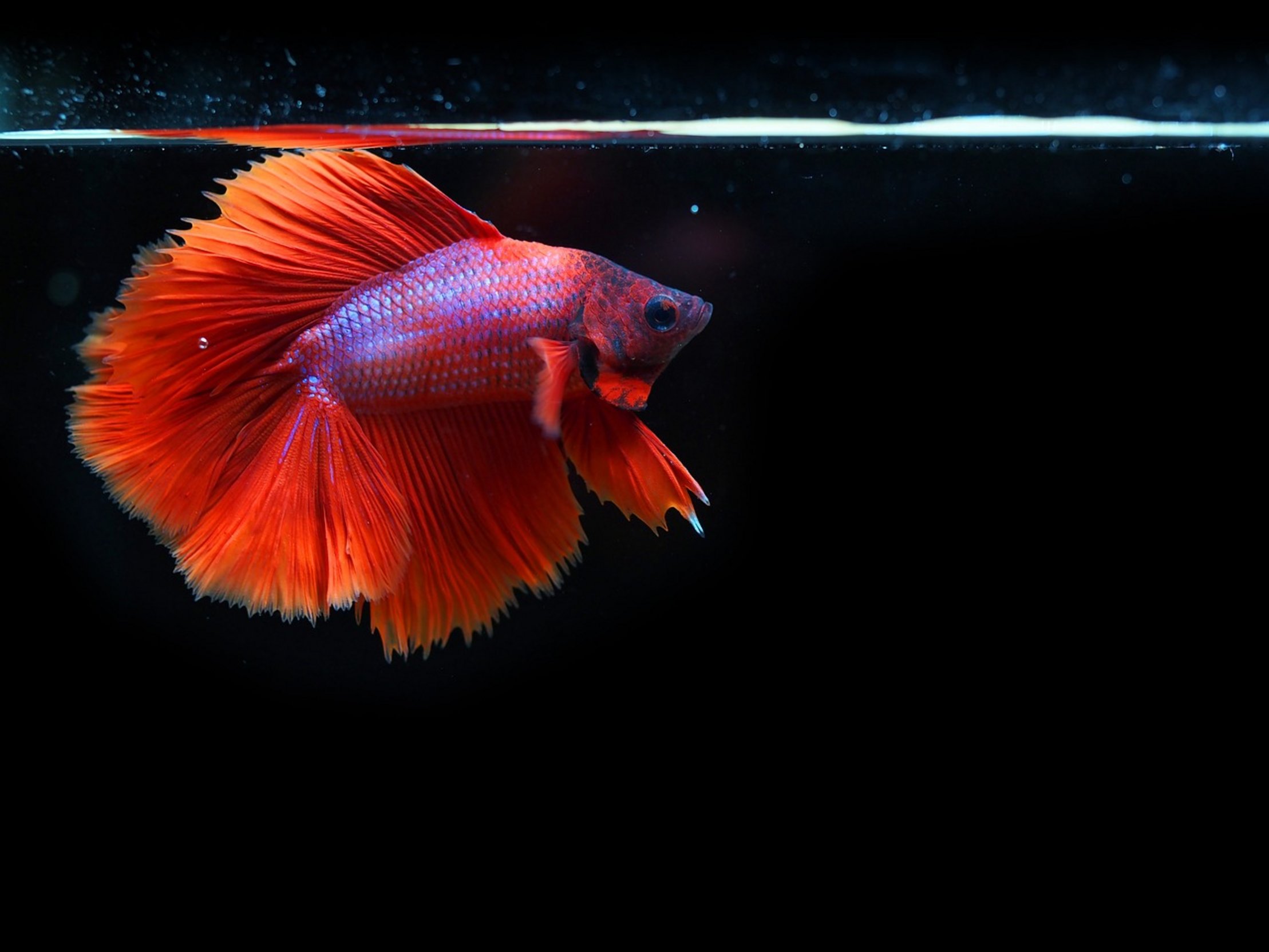
Female bettas don’t. So if you see your female collect some bubbles, dig deeper. It might be illness or a hormonal imbalance.
When you know the difference between normal and abnormal behavior, you avoids false alarms. You avoid unnecessary trips to the vet. Just because something look strange doesn’t mean it’s life-threatening.
Patience is sometimes all that is require. Bubble nests are a complement to your care. They demonstrate the fish feels safe.
The water parameters is right. You’ve provided an environment helpful to natural behaviors. Observe your betta in action.
Let him have his bubbles.
