
A common mistake within aquarium hobby is that betta fish can tolerate all water temperatures and are strong survivors. You see them living in unheated desktop tank, small glass bowls. Because they appear calm on the surface, people believe their tropical roots aren’t significant.
They also think so because bettas is visually stunning and reasonably priced. This gives new owners a false sense of security that their fish will be low maintenance pets. But that’s the harsh reality.
Why Unheated Water Hurts Your Betta Fish
The Myth of Low Maintenance Bettas
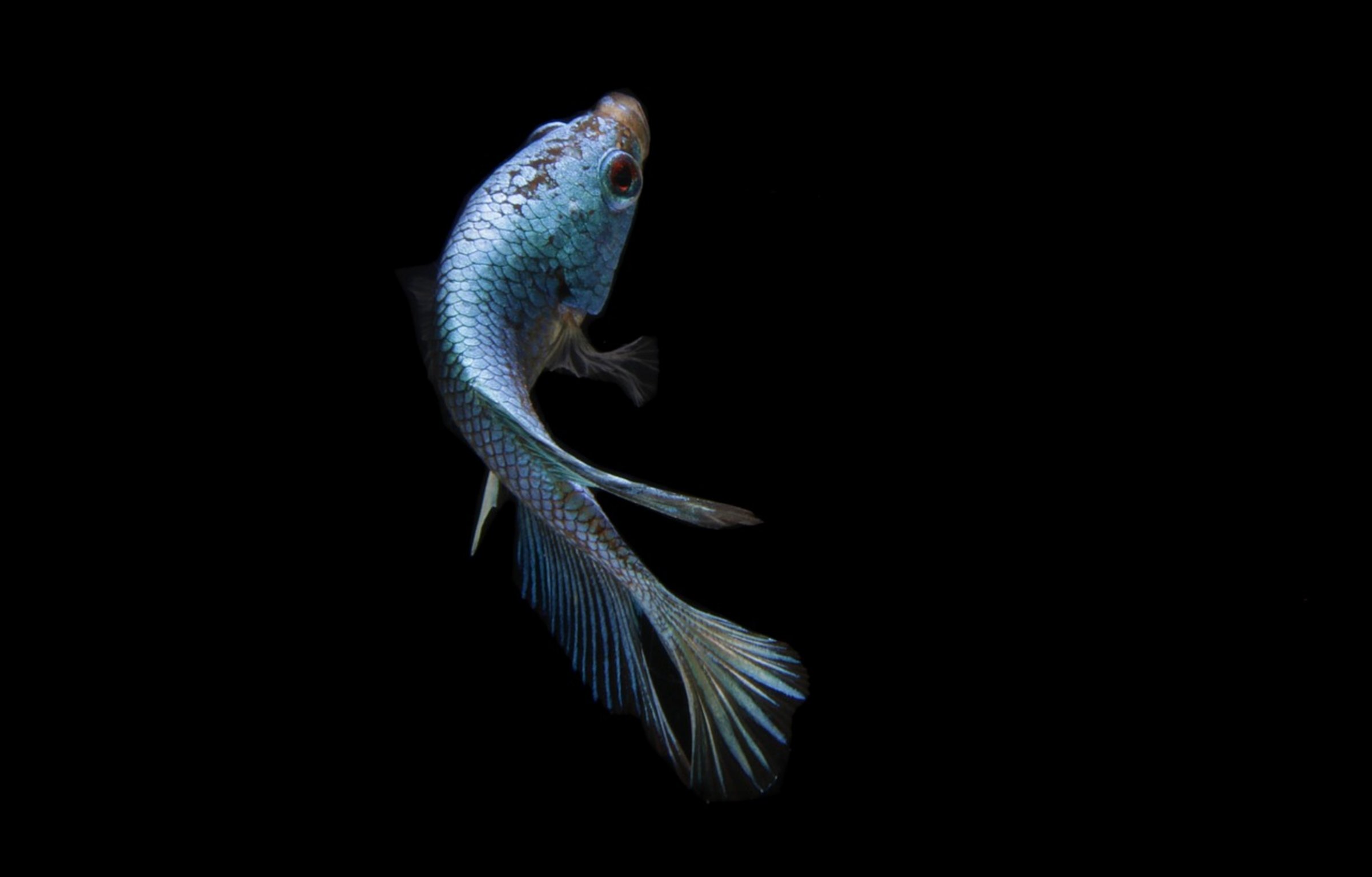
These fish has evolved for life in the stable, warm waters of Southeast Asian rice paddies. If you put them in room temp water, you’re no longer merely annoying them, you’re actualy hampering their metabolism and their immune system to dangerous levels. They don’t see this slow stress as obvious distress right away but as a long-term decline instead.
How Cold Water Affects Metabolism and Immunity
To get a handle on your betta’s need for warmth, let’s first define the concept of “room temperature” as it pertains to a cold-blooded animal. An ectotherm depend completely on its surroundings to maintain body heat. When it lives in cool water, everything slow down.
Metabolism slows down. As a result, nutrients are poorly absorbed and digestion become problematic. Even though the fish may be eating regularly, he’ll be losing weight.
Or look like he’s just lazy. That is not true. He’s experiencing a slowdown in his body processes due to coolness of his surroundings.
The other side of cold water is that it takes its toll on your betta’s immune system, but you won’t realize it until it’s too late. For example, pathogens such as Ich and Columnaris will use a stressed-out host with weakened defenses or simply thrive in the cooler environment. While a healthy betta in warm water might be able to fend off a minor infection, the same betta in unheated water might not even survive a mild bacterial attack.
White blood cells requires heat (i.e., from a heater) to do their job. If there’s no heater, then the tank is basically a waiting room for diseas. The actual temperature isn’t the only consideration; it must also be stable.
Why Temperature Stability Matters
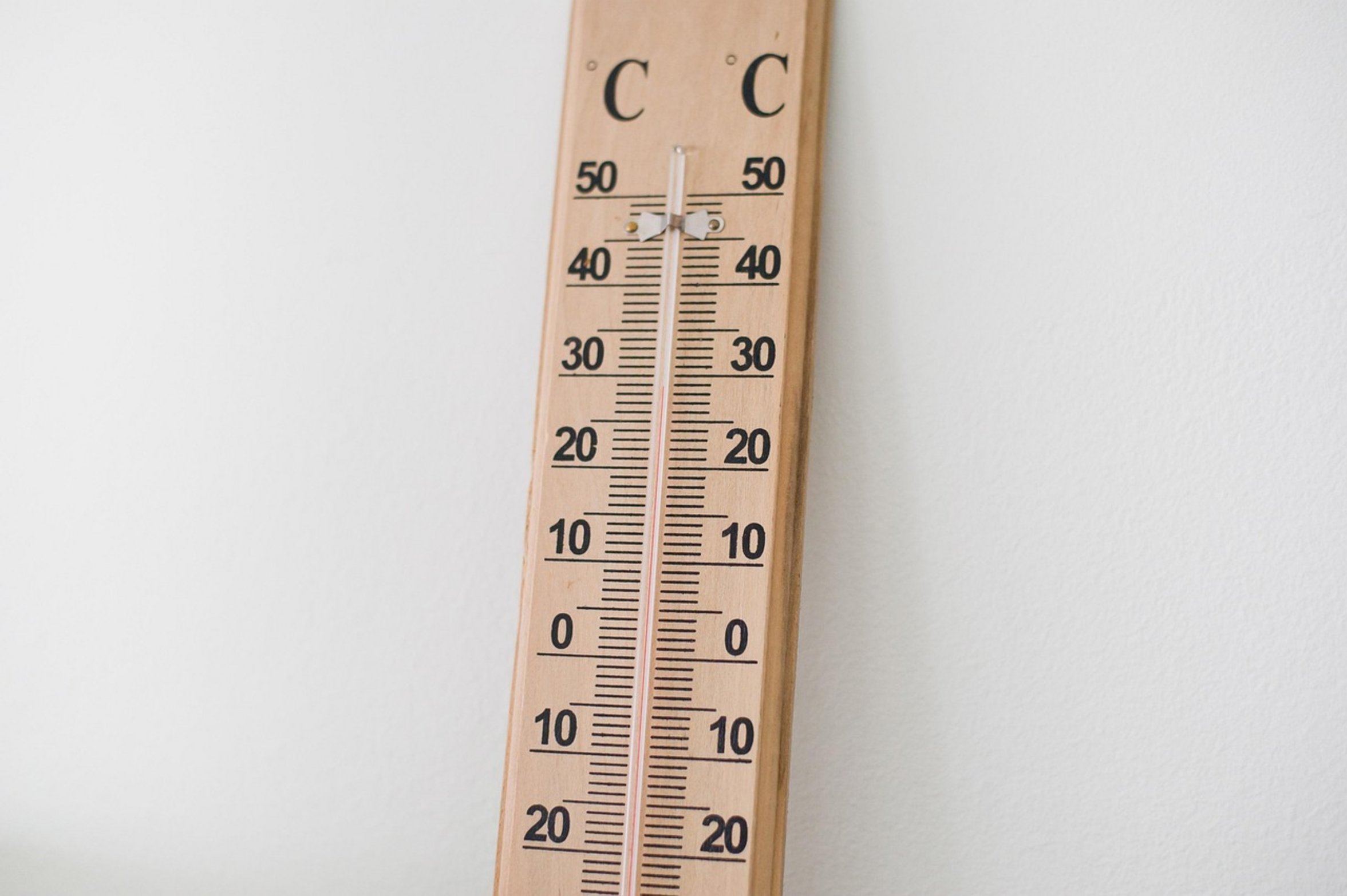
Sudden temperature shifts are more stressful for bettas than slow adjustments, but remember that room temperatures fluctuates throughout the year. In the winter, your basement apartment may stay around fifty degrees Fahrenheit. In the summer, your sunny living room could climb into the eighties and beyond.
These big changes cause heat stress. Instead of eating, breeding, and growing, the fish have to spend its time constantly adjusting to changing conditions. A good quality heater remove this factor.
It ensures that the water remain steady, providing a consistent environment where the fish can thrive without having to constantly adapt. If you don’t have a good heater, you have no heater at all. Even if you are an amateur, a heater that isn’t good will fail or not hold its temperature, which means it is the same as having no heater at all.
Choosing a Reliable Aquarium Heater
Buy a good one! There are lots on the market but go with a name brand like Aqueon, Eheim, or Finnex that has a thermostatically controlled unit that holds temps within close tolerance. Search for submersible models that are easily monitored and calibrated.
It’s better to have nothing than a bad heater that cause quick temp fluctuations. Check your heater periodically to make sure it’s doing what you want it to do. You don’t just want it warm, you want it consistent.
Signs of Cold Stress in Bettas
Cold stress behaviors, on the other hand, can be both obvious and subtle. Instead of fins fully extended and flowing, they’ll look as if they’re clamped to the body. The fish will spend more time livig motionless near the tank bottom or otherwise hiding.
Food intake may drop dramaticly. If a betta shows these things, it’s not a quirk of personality. These aren’t normal, healthy behaviors.
Rather, they reflect body reactions to an improper environment. An active, curious betta is a healthy one in an appropriate temperature. It interacts with you, its owner, and investigates its surroundings.
The Benefits of Proper Heating
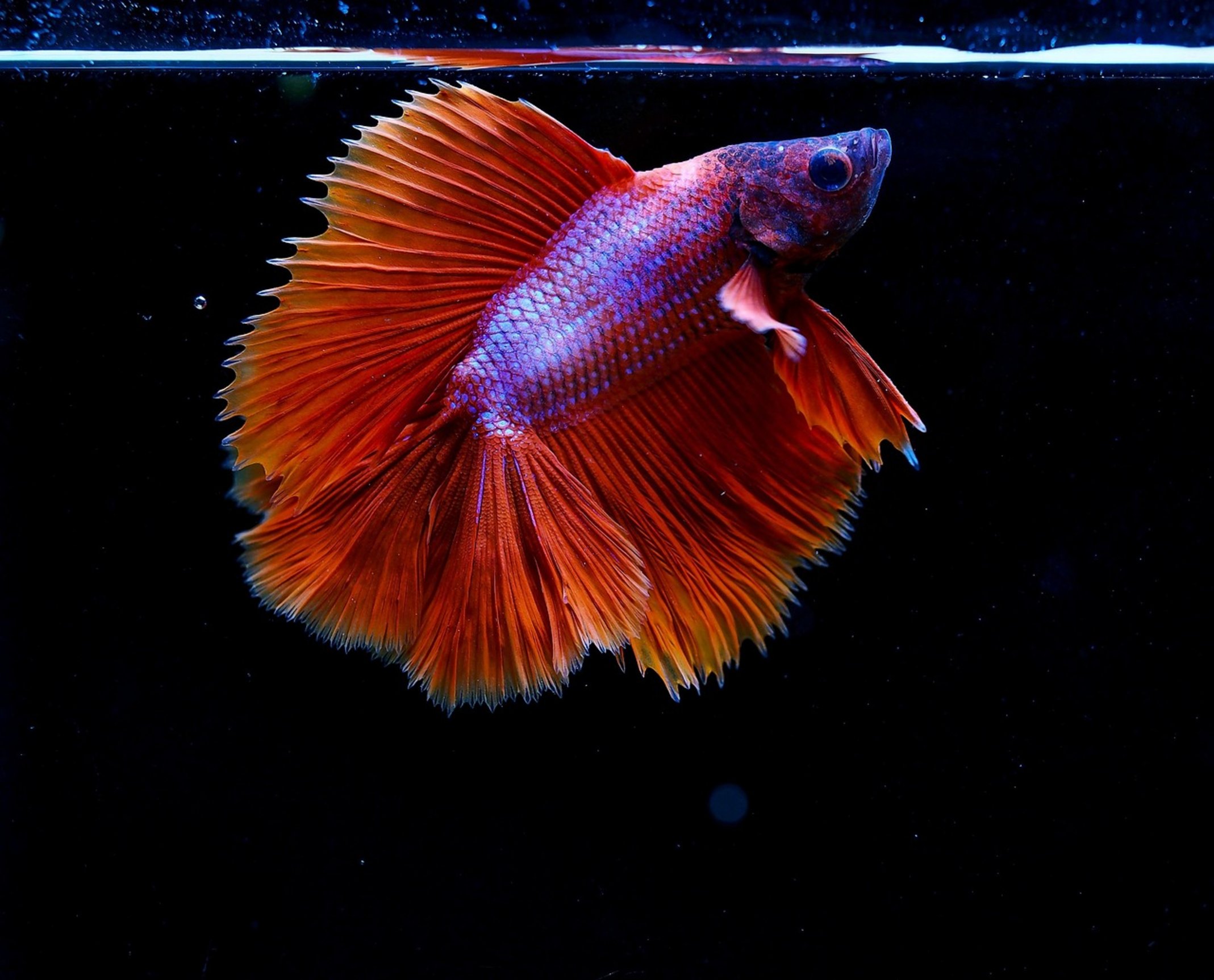
Cold prevents that natural activity. Adapting a tank to the biological needs of the species is a form of respect. It means investing in gear that mimics the natural environment of the animal.
A good thermostat and heater aren’t expensive investments, especially relative to the expense of treating preventable illnesses. That investment in health lead to a longer life and better quality of life. When animals are comfortable they show off their vibrant colors and flowing fins, attributes which make them popular as pets in the first place.
Next time you think about not heating because it’s too expensive or just not worth it, keep in mind what the fish is going through inside. That calm peace we love so much could very well be from being worn out. Heating the water is the easiest solution to ensuring your betta can live its healthiest most colorful life.
Turn on the heat and see your fish as they really should appear.
