
When you think of a betta fish your mind likely imagines a fragile little prize fighter requiring a fancy tank decorated with exotic ornaments and clean water conditions. While the real situation isn’t quite so melodramatic, it’s every bit as rigorous. Betta fish possesses wild eyes and flowing fins.
They’re also incredibly tough animals provided they’re given what they really need. Treating them like real living creatures instead of just trendy impulse buys will help determine how long they lives. In the home aquarium, most bettas live an average of 3-5 years.
That may not seem like long, unless you’ve seen how many other pets don’t make it as long due to common errors that are easy to avoid. If properly cared for, your betta might live as long as 5 or 6 years. That is not bad for such a little tropical fish.
So if you’re comparing 2 versus 5 years, it’s not typically genetics that makes a difference but the environment.
Key Factors Affecting Betta Fish Lifespan
Tank Size and Stability
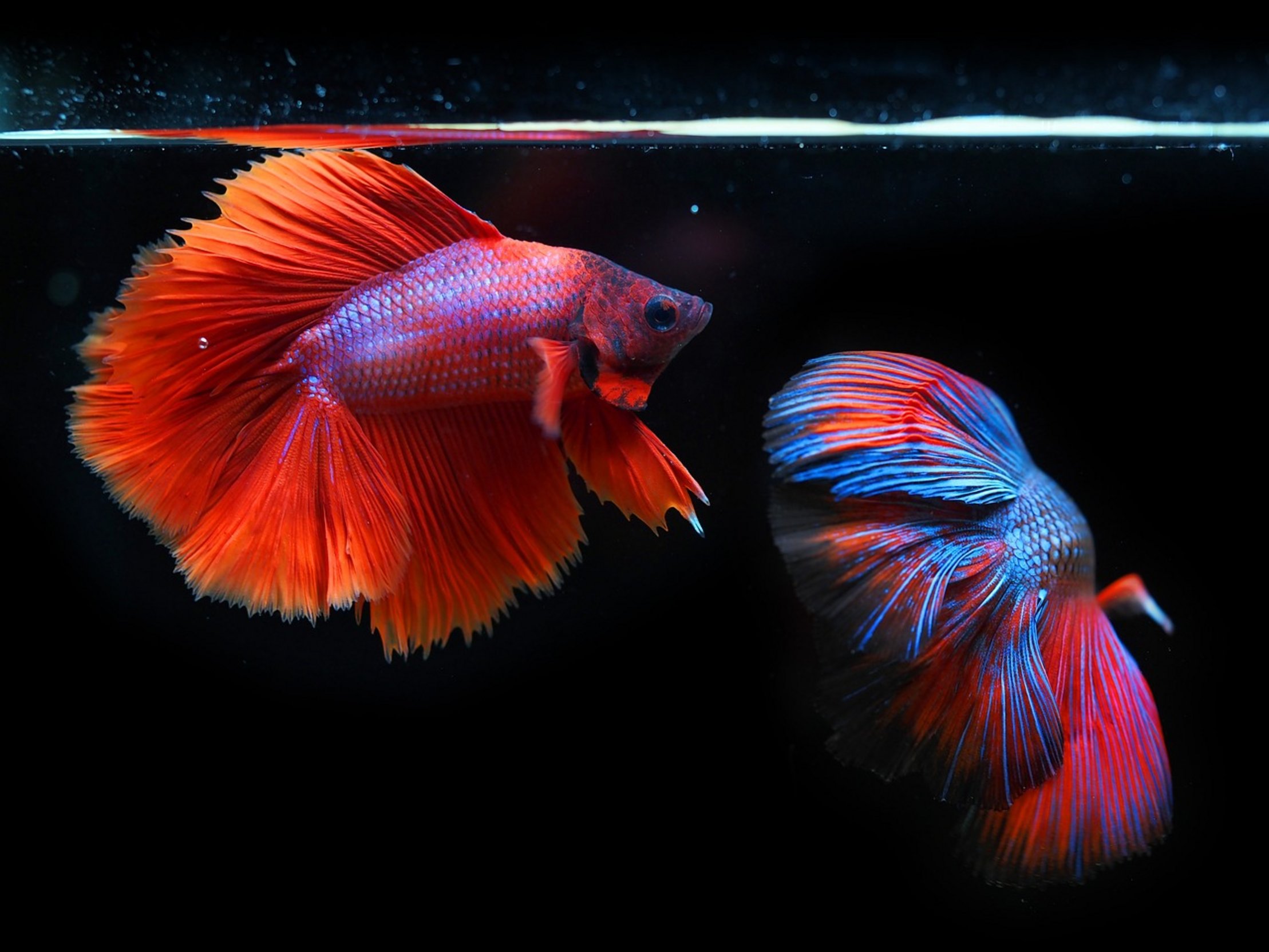
The first mistake that many people make as an aquarist are the tank size. I’ve seen some people buy those tiny decorative jars from pet stores to house their fish.
And I’ve seen others who uses those small plastic bowls. Those containers were designed to sell the fish, not hold the fish over time. A minimum of a five gallon tank is required for a betta to provide stable water conditions.
Smaller tanks accumulates waste products too fast and toxin spikes occurs prior to cleaning. Poor water quality continuously stresses the immune system and greatly reduces its life expectancy.
Water Temperature and Heating
Another item often neglected but non-negotiable are heating.
A betta’s native environment is the warm shallow waters found across Southeast Asia. They cannot survives constant cold temperatures, even if it’s just room temperature water. Your home’s ambient temperature rises and falls seasonally as well as from day to day.
Because of this, cold water slow their metabolism, weakens their immune response and makes them more likely to get ill. An aquarium heater can be inexpensive insurance against an early death.
The Nitrogen Cycle
Fish don’t care about decorations, but they do care about water quality.
Tank cycling is the biological process where harmful fish waste gets converted to less toxic compounds through the nitrogen cycle. You can think of it as you’re asking the tank to live with its own poison if you don’t cycle the tank before getting the fish, or if you forget to regularily change the water. Get into the habit of testing your water for ammonia and nitrite.
Less stress, fewer parasites = more years in the tank.
Diet and Feeding
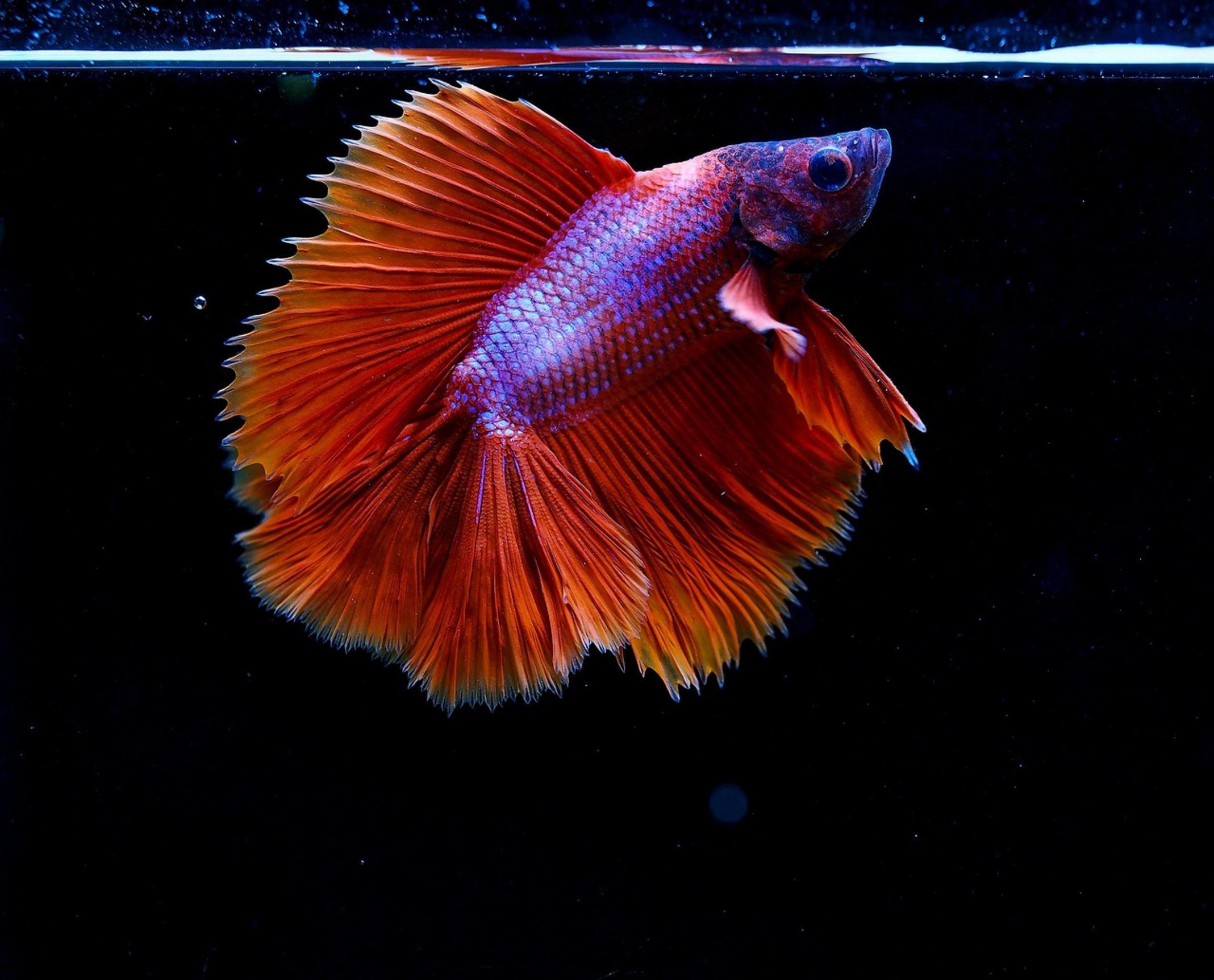
Surprisingly enough, diet also affect life span. Although bettas are naturaly insectivores (not omnivore), they do well on a highly protein-rich diet such as pellet food specifically made for bettas, brine shrimp, or bloodworms.
Don’t feed them too much of that flake food intended for goldfish or other fish, which can cause digestive problems and nutritional deficiency. Even worse than under-feeding, over-feeding will rot away your uneaten food, causing water quality degradation that you have been painstakingly keeping.
Stress and Tank Mates
The Aquarium Hobby has a silent killer, Stress!
Because aggression from other fish lead to chronic stress (which suppresses the immune system), bettas do best when kept alone or with peaceful tank mates. Even humans can cause stress. A betta will get stressed by excessive handling, bright lights, or loud noises.
Creating a Calm Environment
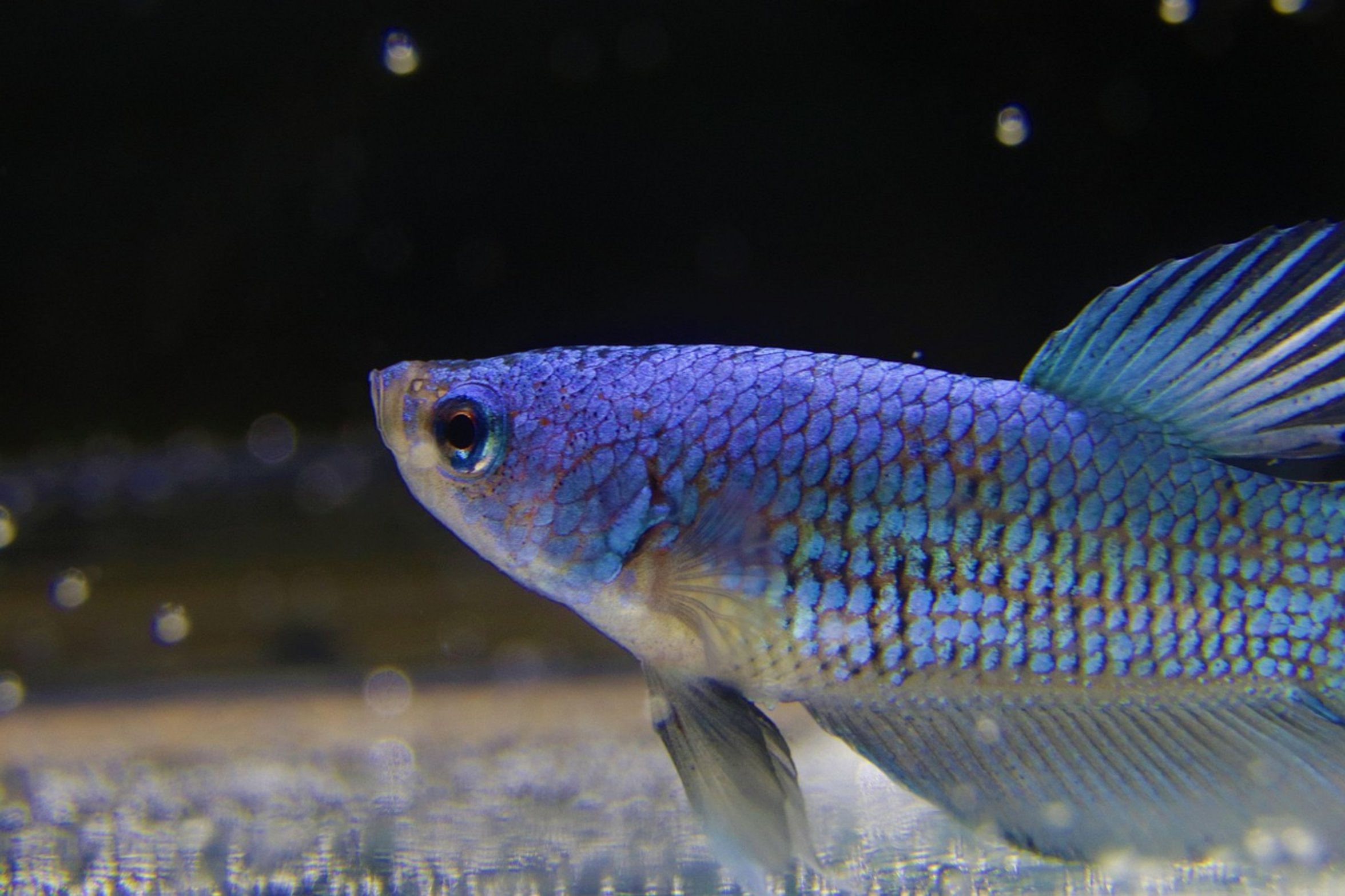
Soft plants and lots of hiding places makes them feel secure. And a calm fish is a healthy fish.
You don’t need rare foods or expensive gear.
You just need a properly sized tank, a good diet, clean water, and a consistent temperature. It’s not that hard. It’s about providing a stable environment for the fish so that it doesn’t have to fight for survival.
If you can get the basics correct, you’re not just keeping the fish alive; you’re giving it a chance to thrive. That’s worth the effort.
