
The beginner aquarium hobby seem to harbor a widespread misconception about betta fish, specifically, that they’re some kind of survivor that will thrive under nearly all conditions. The reason for this belief probably lies with one of their adaptations: their labyrinth organ. It’s a special structure that enables them to take in air at the water’s surface.
This allow them to survive in still water with low levels of dissolved oxygen, which is something other species couldn’t do. Thriving isn’t the same thing as surviving. Many novice keeper confuse the latter with the former.
Betta Fish Heater Requirements for Health
The Labyrinth Organ Misconception
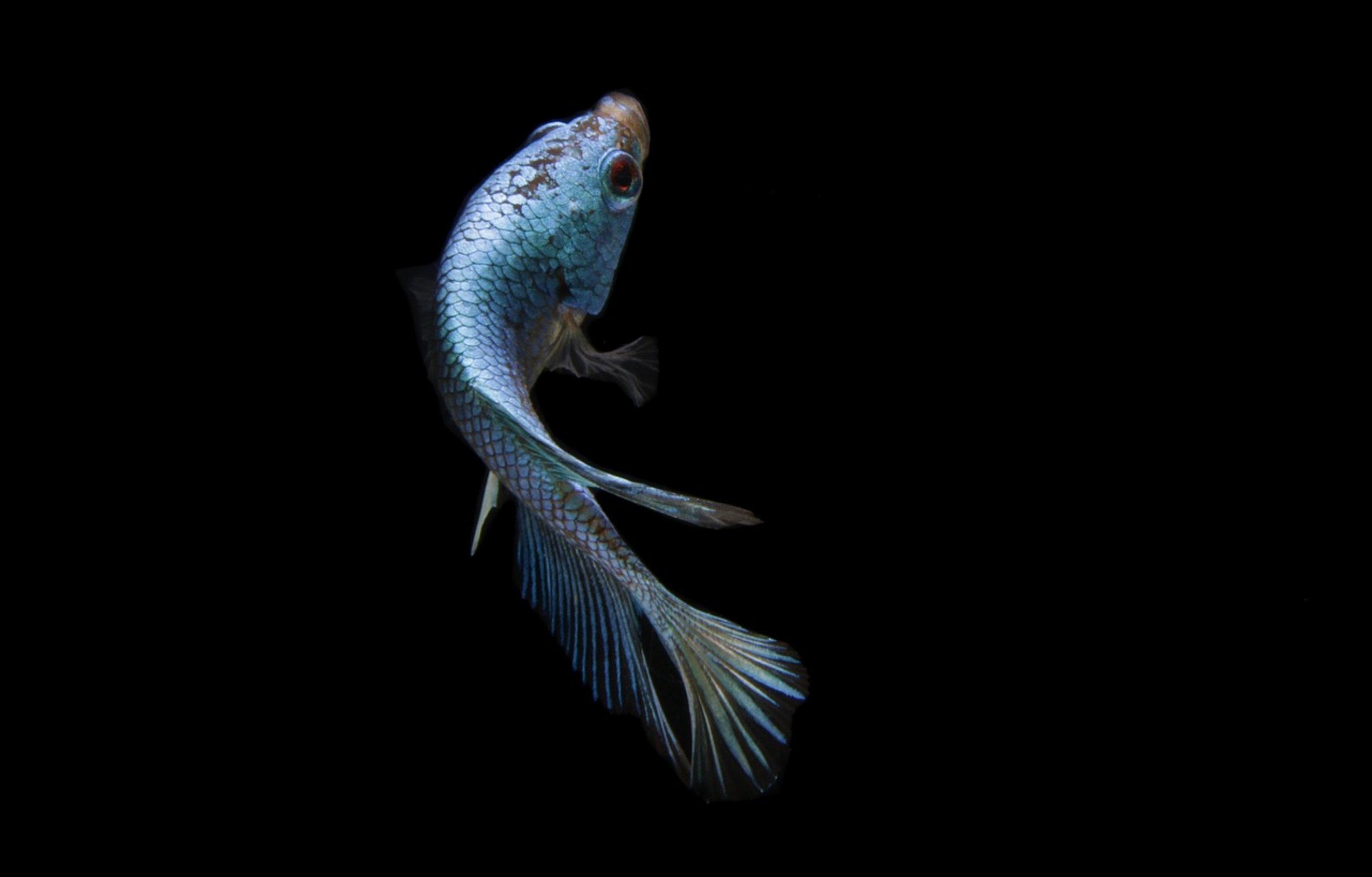
It is a mistake to think that tropical animal do not need specific environmental standards. That typicaly stems from one fundamental misunderstanding: tropical water temperature vs. Room temperature. The average home sits at somewhere between 68-72 degrees F. While that’s comfy for you and me, it’s a bone-chilling shock to a betta’s system.
They’re native to the wetlands and shallow rice paddies found throughout Southeast Asia, environments much warmer then your house. They are a warm-water species whose bodies adapts to heat. When water falls out of their optimal parameters, their metabolism will slow down.
Tropical Temperature Requirements
Their immune system become weakened. Their color will dull. It’s not that they don’t like it; rather, it’s a matter of how their body work.
If you want to know what temperatures your betta tolerates, consider how these temperatures affect his lifestyle. The cold doesn’t just slow him down. It also affects his digestive system and his behavior.
You will notice these changes as a keeper. Where do you live? Is heater a necessity or a luxury item?
Impact of Cold Water on Health
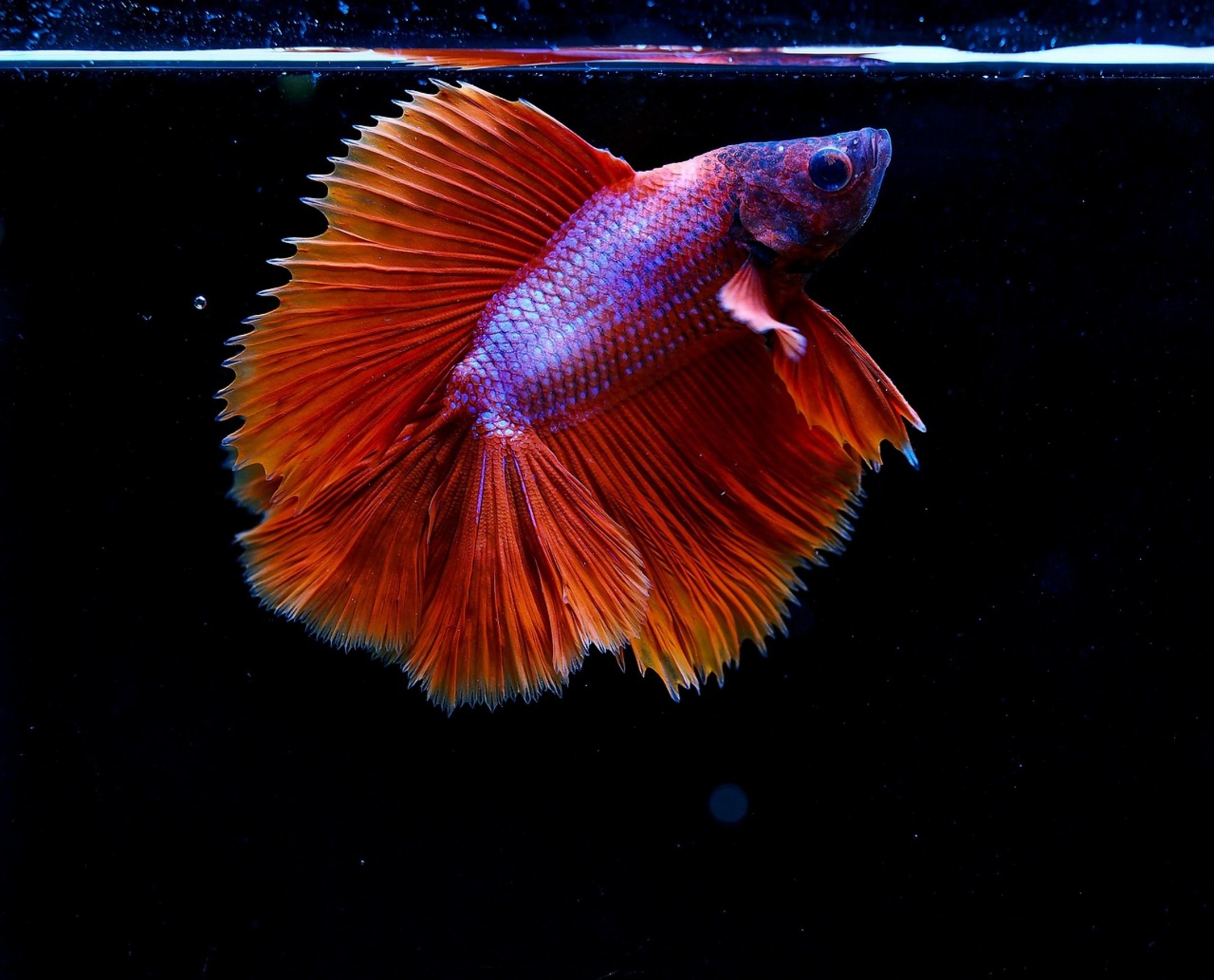
Define “healthy” for yourself because your betta’s definition may not be the same. The main culprit is metabolic rate. Because bettas are ectotherms (or cold-blooded), they depends on environment for their temperature regulation.
They rely on external heat to regulate there body functions. When water is warm, their metabolic rate is high, they’re processing food well and have plenty of energy to go around. When it’s cool, everything grinds to a halt.
Digestion isn’t as efficient, which results in either constipation or bloating. You may also see them hanging out on the bottom of your tank, completely motionless and sometimes refusing to eat anything at all. It is not because they are lazy; it is because they are shutting down biologically due to the cold.
Immune System and Disease Prevention
Disease resistance is also important. Maintaining steady warm temperatures ensure a healthy betta with a strong immune system. If water fluctuates or is maintained below an acceptable level, then the fish will be more prone to various diseases such as bacterial infections, fin rot, and ich.
These disease easily pass from one stressed fish to another. Using a heater to keep the water temperature between seventy-six and eighty degrees Fahrenheit help keep environment stable for your fish. This prevents the stress response which compromise its own natural defense mechanisms.
In effect, without this, you’ll have chronically stressed fish. Some owners argue that bettas can adapts to room temperature if introduced slowly. And there’s some validity to this argument: bettas are tough fish.
But that doesn’t mean they’re healthy. Yes, a betta living in 70 degree water might survive. In fact, it will have a shorter lifespan and a life that won’t be as full than the betta housed in ideal tropical water conditions.
And the cost? Well, you’ll incur more expenses at the veterinarian while saving energy costs at home. It is not a good bargain most days.
Choosing and Using a Heater
Choosing a heater is simple and critical. Most hobbyist just use submersible heaters on their tanks at home. Make sure to select one rated for less than your tank volume to prevent overheating in small spaces.
A 50 watt heater will typically do fine for a five gallon. You should always use a reliable thermostat to monitor the temperature independent of the heater’s built-in gauge. It happens…heaters break…and you wouldn’t of want to find out when it’s too late for your fish.
A heater isn’t some expensive luxurius item. It’s an investment in the quality of life for your fish. With it, what was once a stagnant, cold bowl becomes a dynamic, stable ecosystem.
Your betta will become more active. They’ll eat better. And they’ll look brighter.
It’s one small device making a huge difference. Don’t believe the myth that they are hardy and think you don’t need to invest in their true well-being. Warm water isn’t just comfortable.
It’s healthy.
